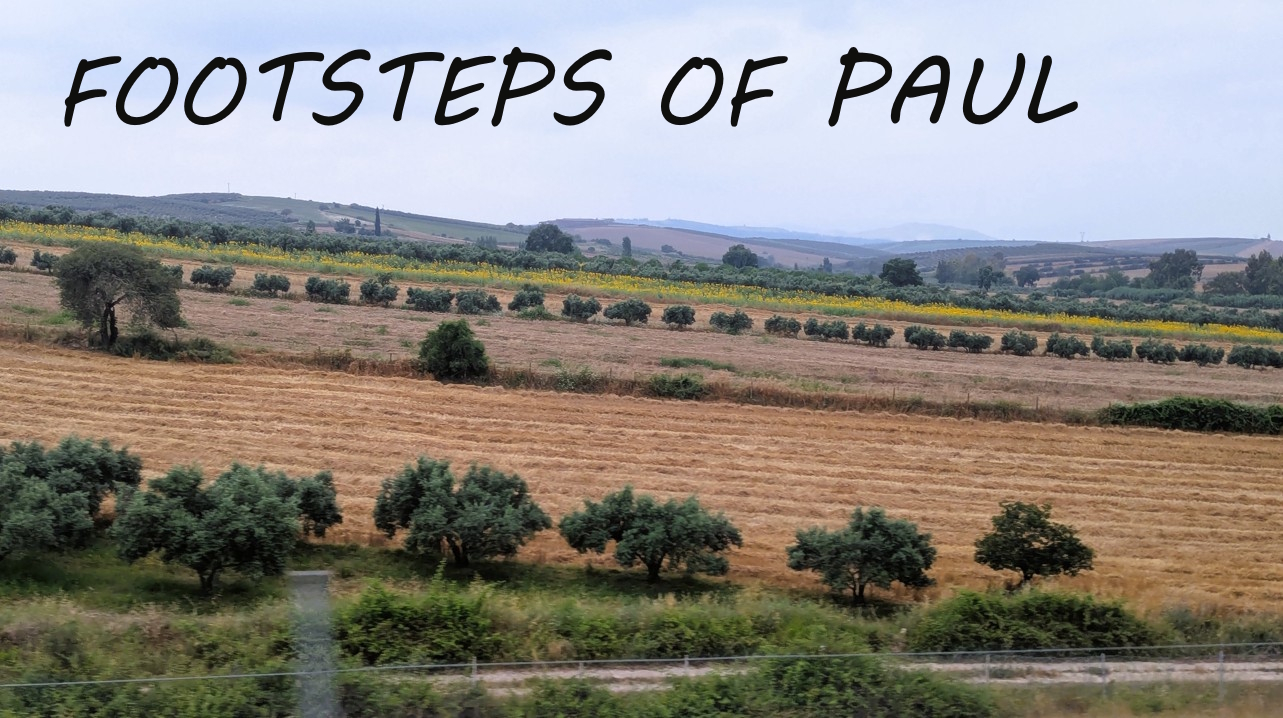
For the past year I’ve been reading up on the Apostle Paul, including an Acts Bible study, all focused on preparing for a visit to Turkiye.
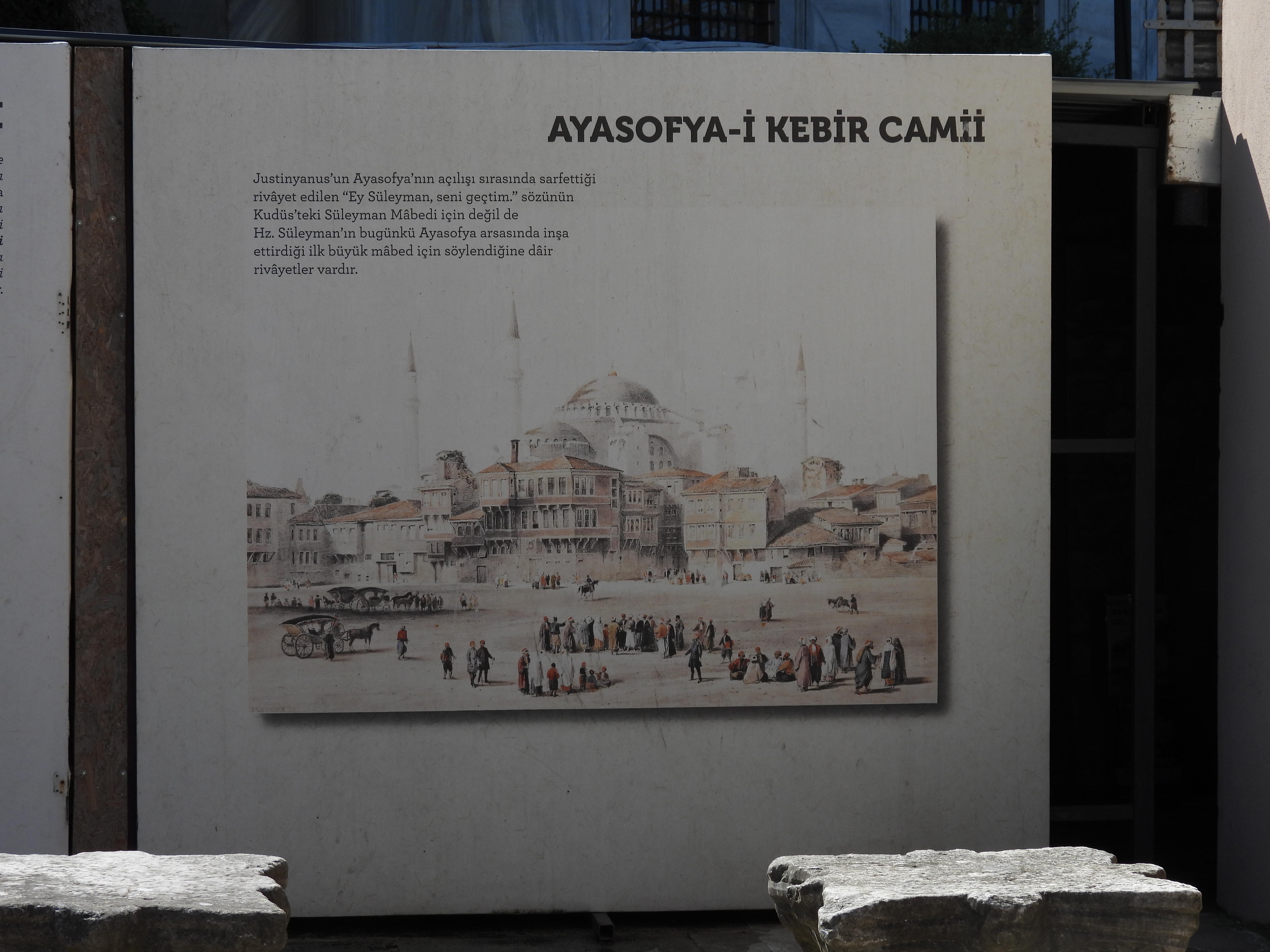
We started in Istanbul, at the Hagia Sophia. For 1,000 years, beginning in the 6th century, it was the world’s largest interior space. It’s currently under renovation, so our views were restricted.
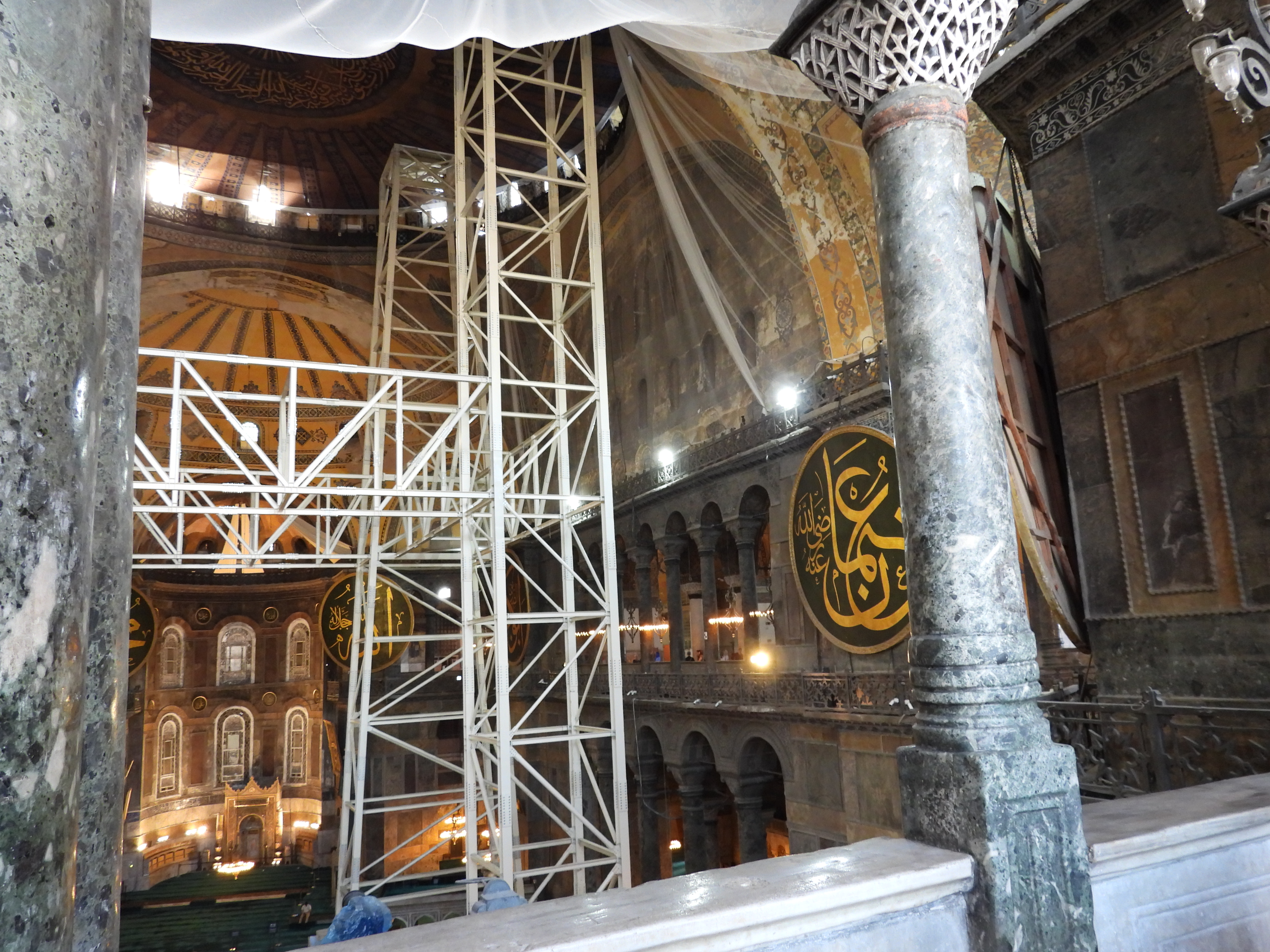
But we got inside, and it was an amazing space. Hagia Sophia was a museum the last time I visited, but now it’s back to being a mosque.
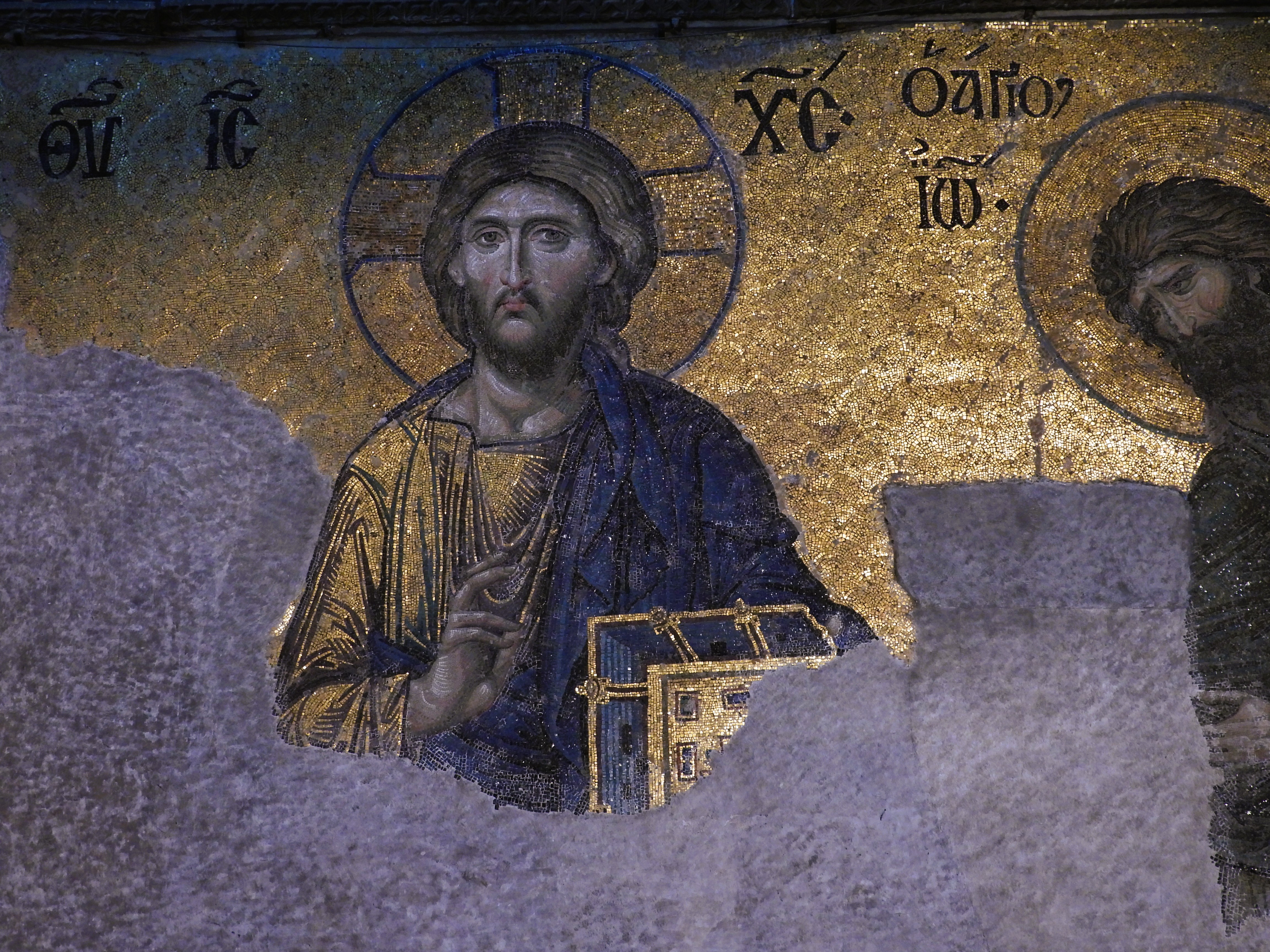
This 13th century mosaic is one of its most famous images.
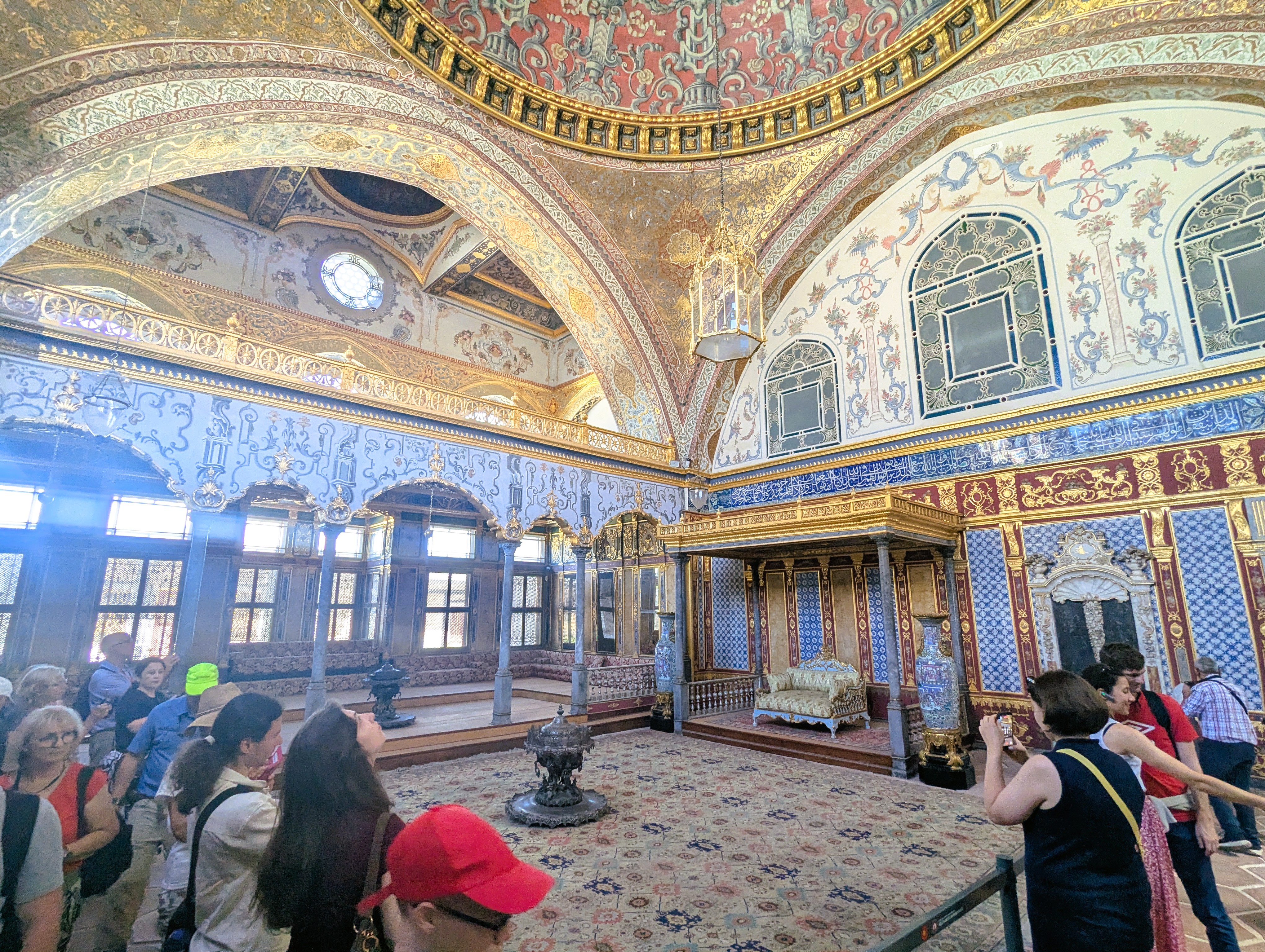
Nearby, within walking disstance, was Topkapi Palace, the home of the rulers of the Ottoman Empire, who controlled the eastern Mediterranean world from the 14th century up until World War I.
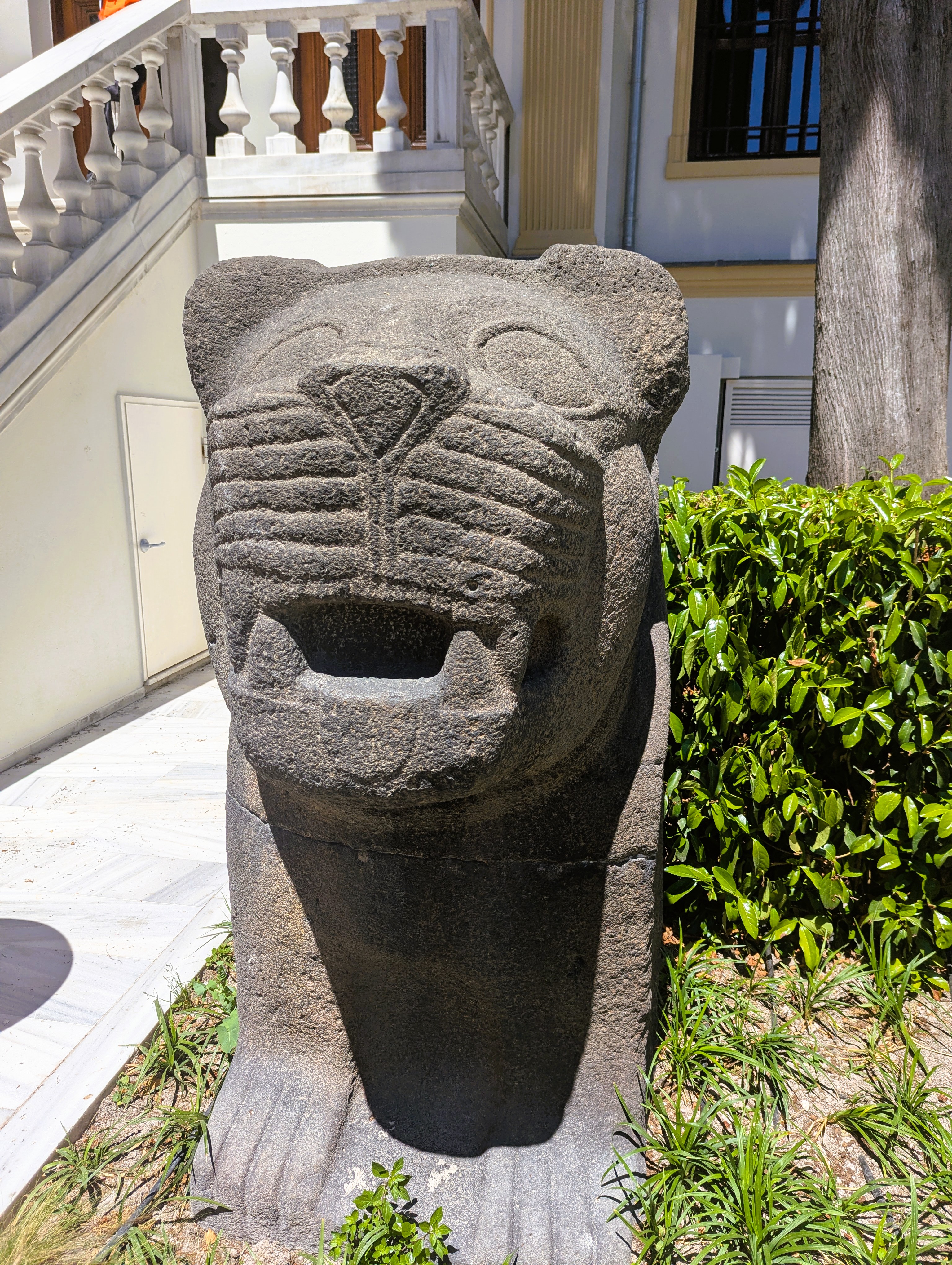
Another short walk to the adjacent archaeological museum. Turkiye’s history is filled with stories of empires, many of which intersected with the Bible at various points. This lion guarded the entrance to a Hittite palace. Unfortunately, artifacts such as the Gezer calendar and the Siloam tunnel inscription that we wanted to see from Israel, discovered when Israel was part of the Ottoman Empire, were off limits. No explanation, but apparently modern politics was to blame.
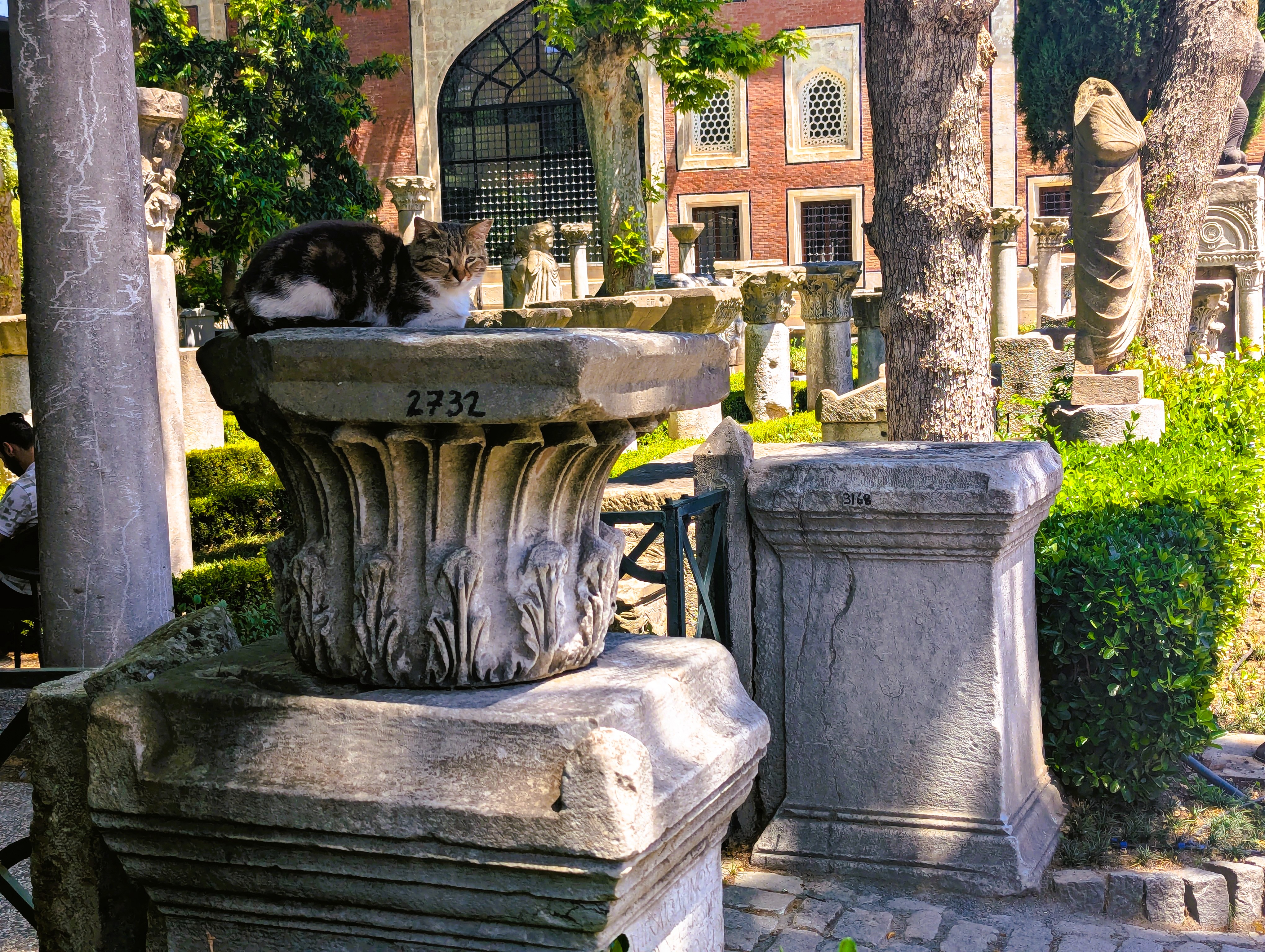
But there were Roman and Greek ruins to see, plus a whole section on the excavations of Troy. A rich archaeological history indeed.
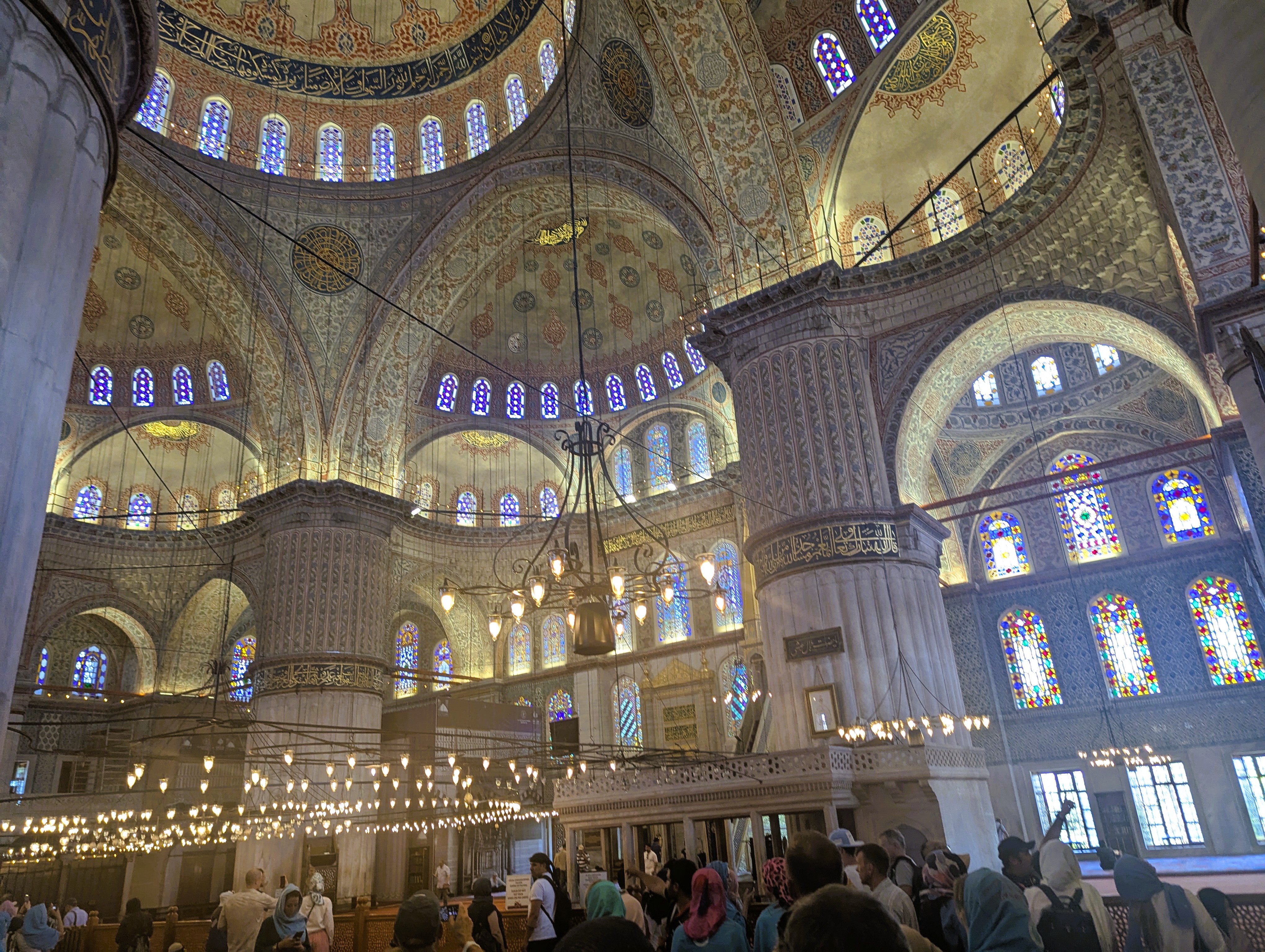
Our last stop of the day, the Blue Mosque, right next to Hagia Sophia.
CAPPADOCIA & TARSUS
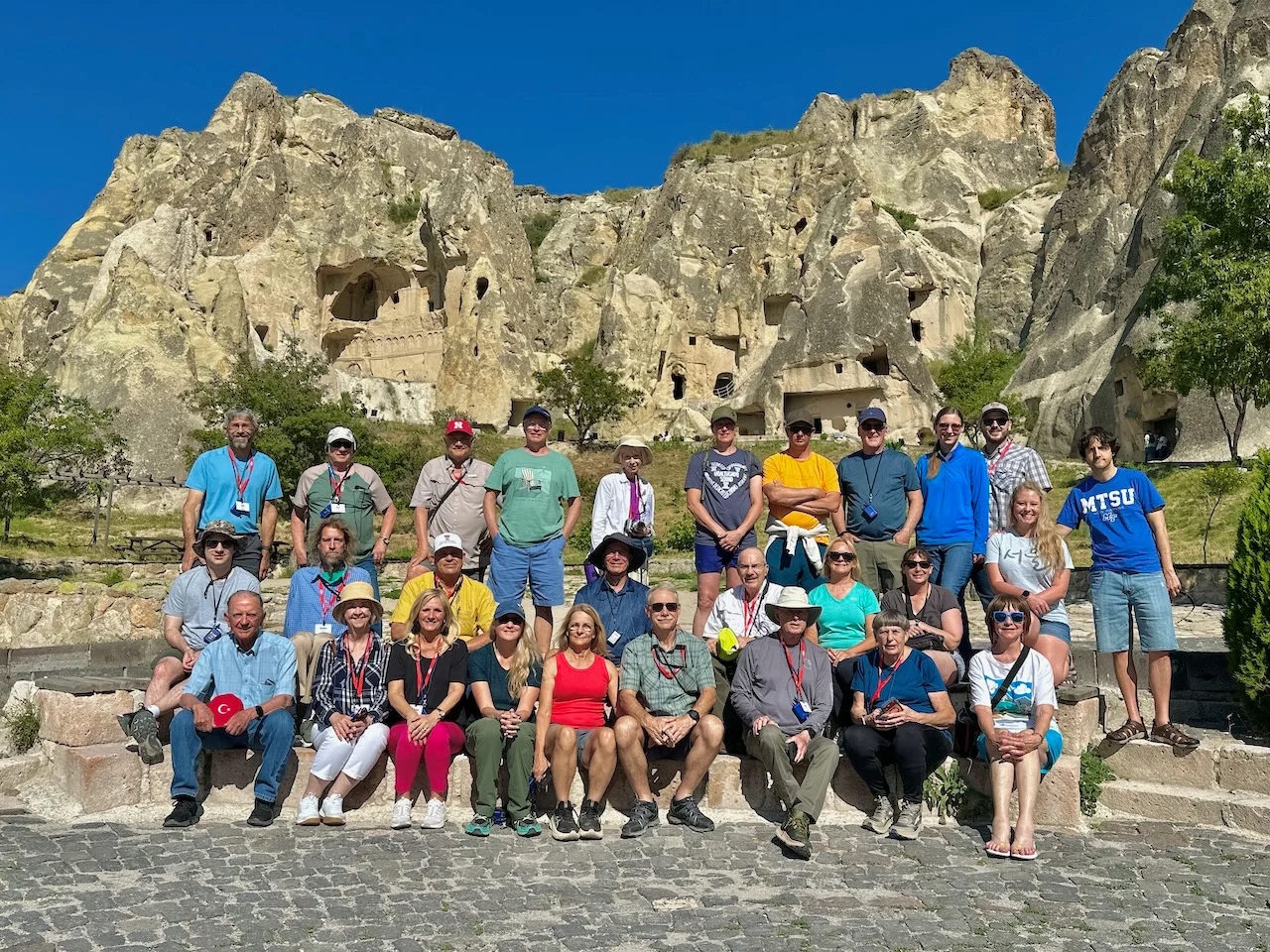
A short flight and a bus ride and we were in the center of Turkiye, among the underground rock communities of Cappadocia.
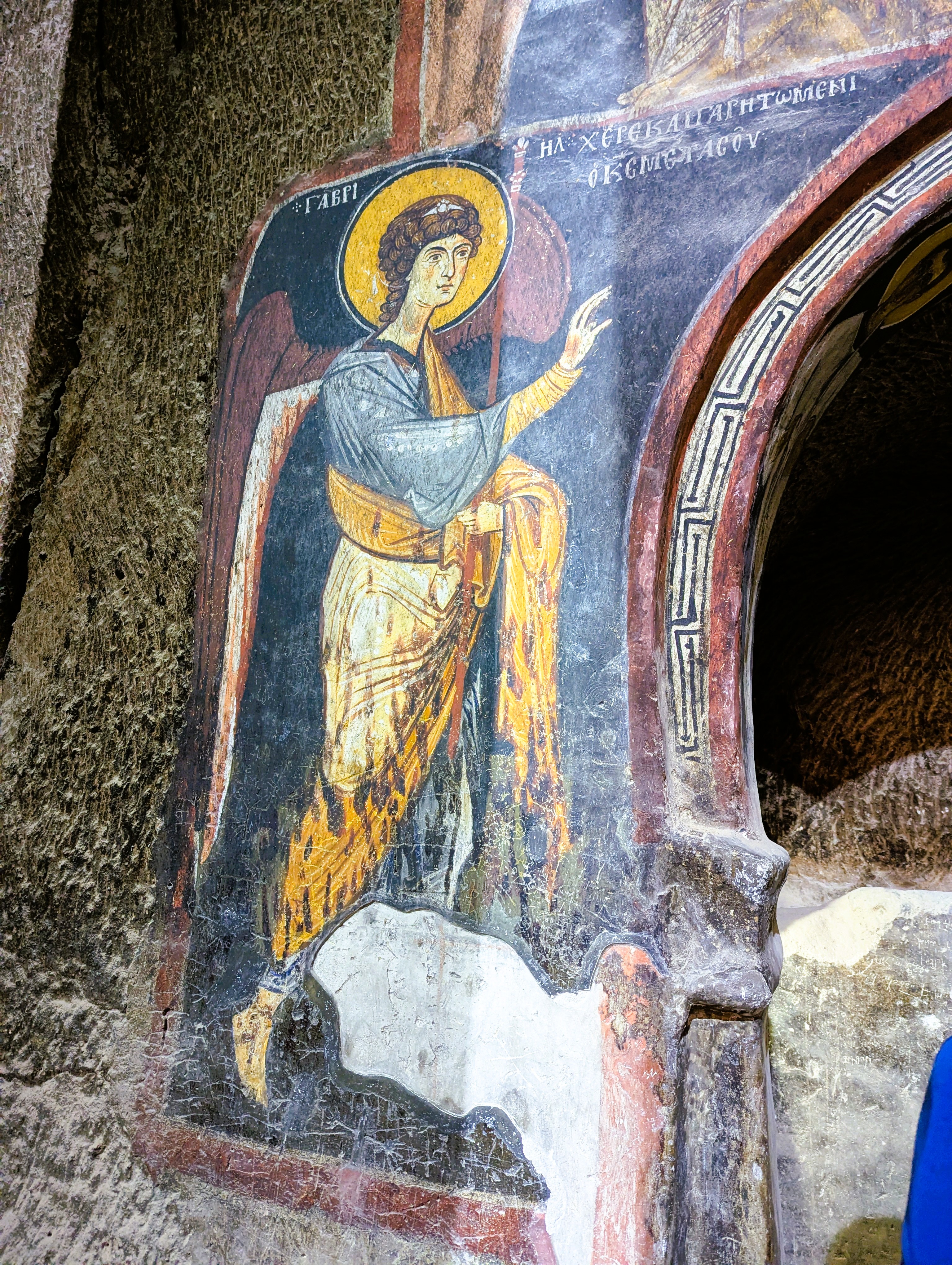
Carved into the rocky cliffs were homes but also churches, many with vivid frescoes from the early Christian era.
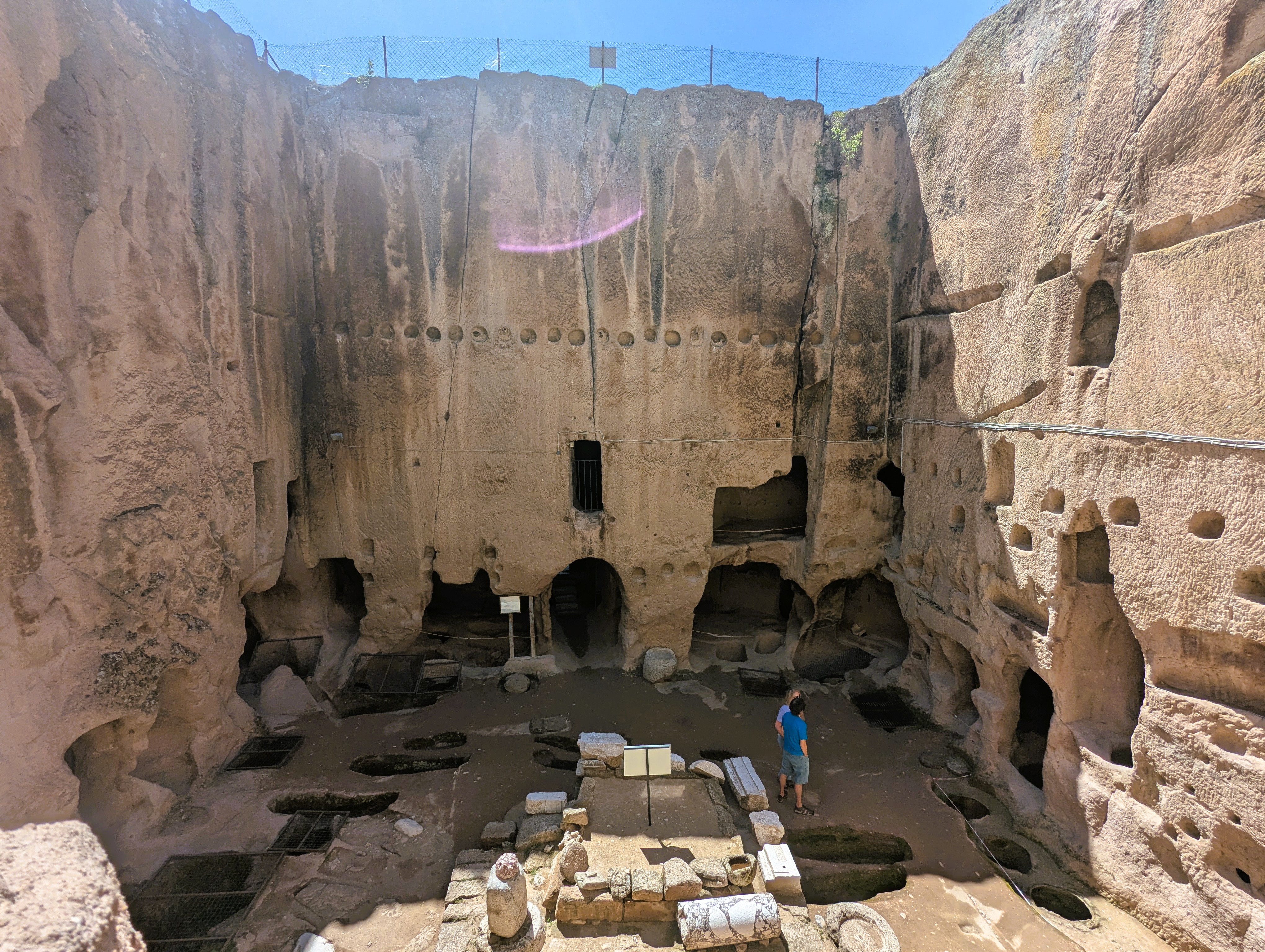
Even a monastery, Gumusler Monastery, carved out of rock.
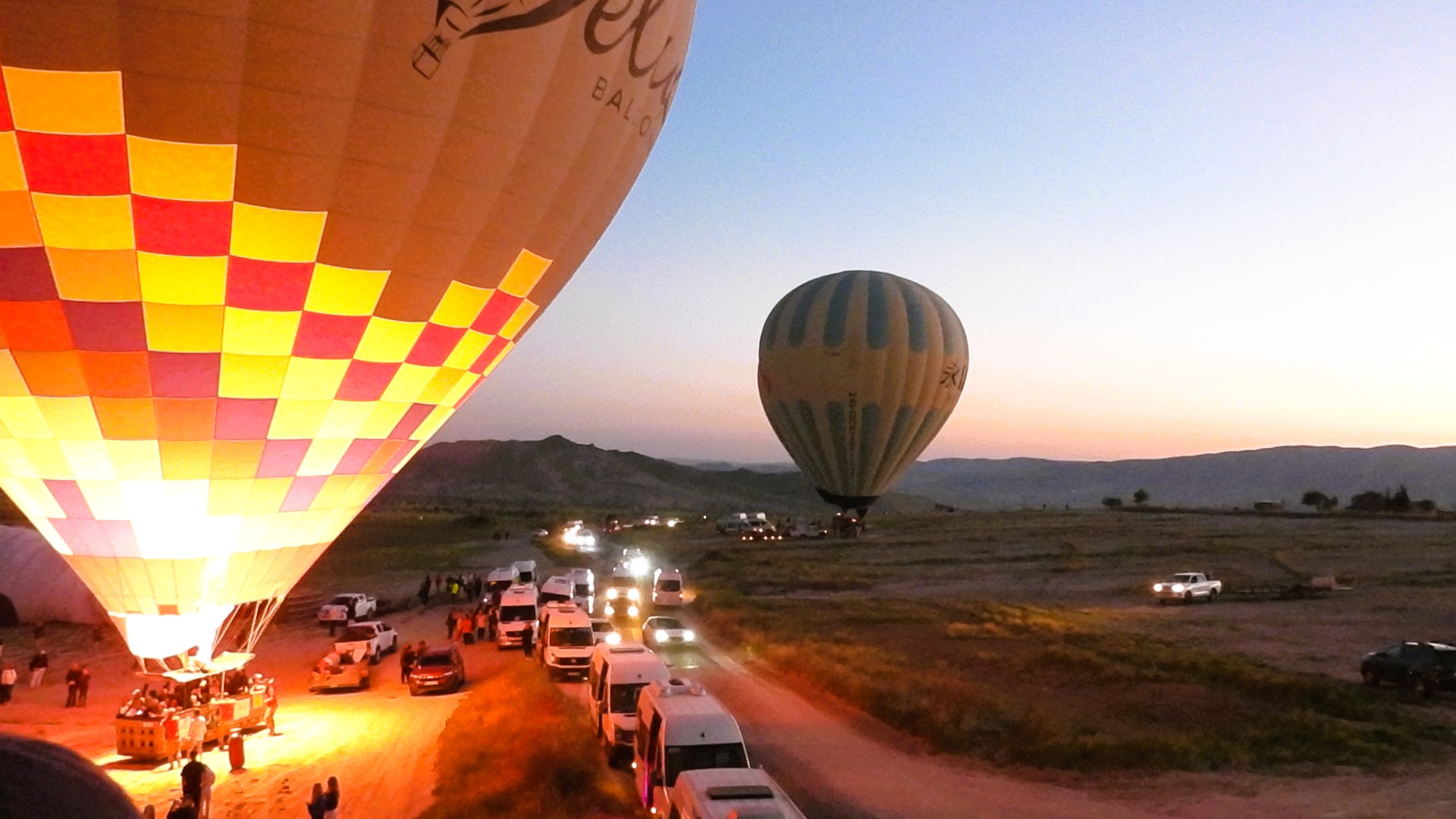
An optional early morning excursion, into the skies over the fairy chimneys of Cappadocia.
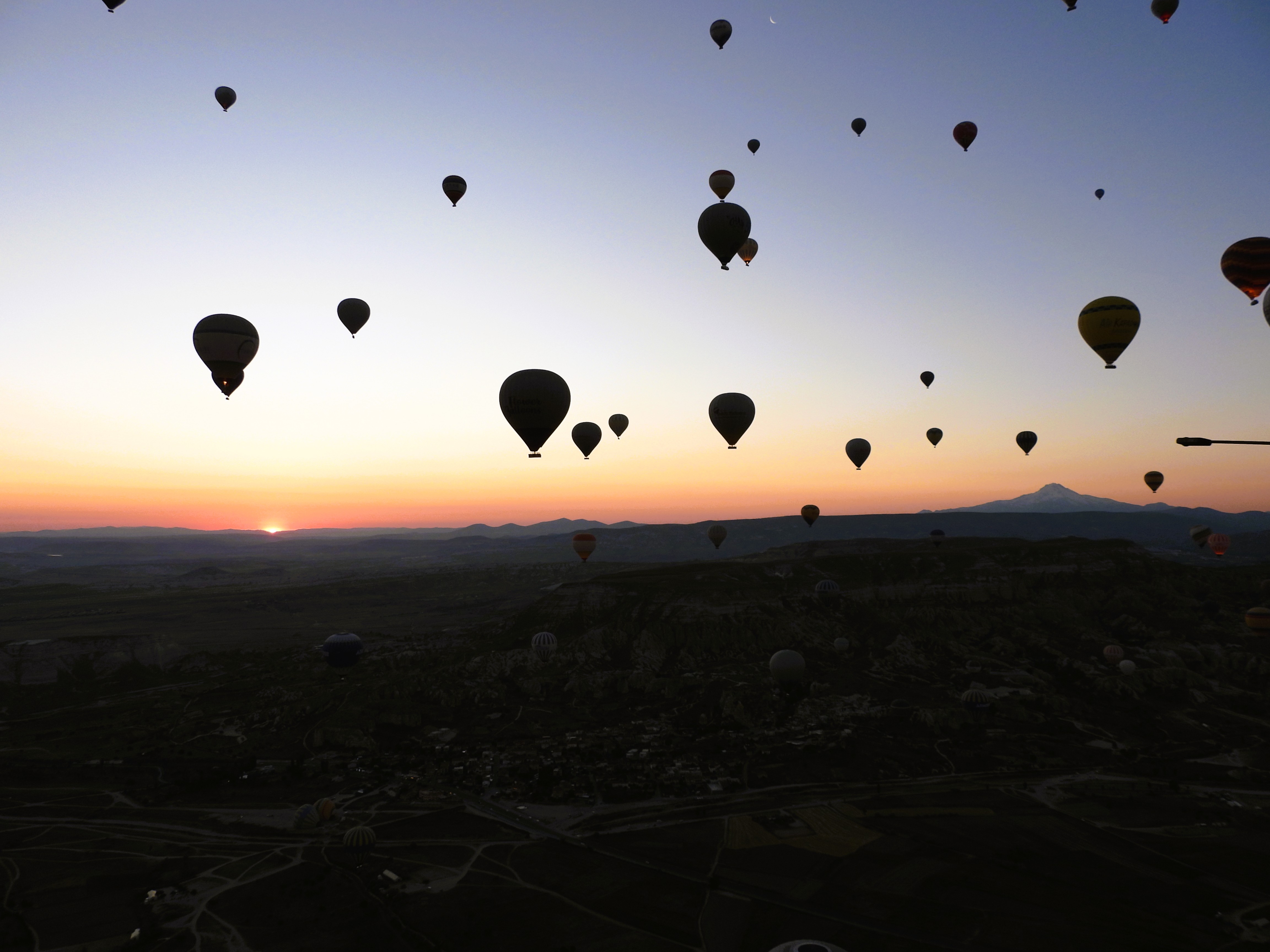
We caught the sunrise.
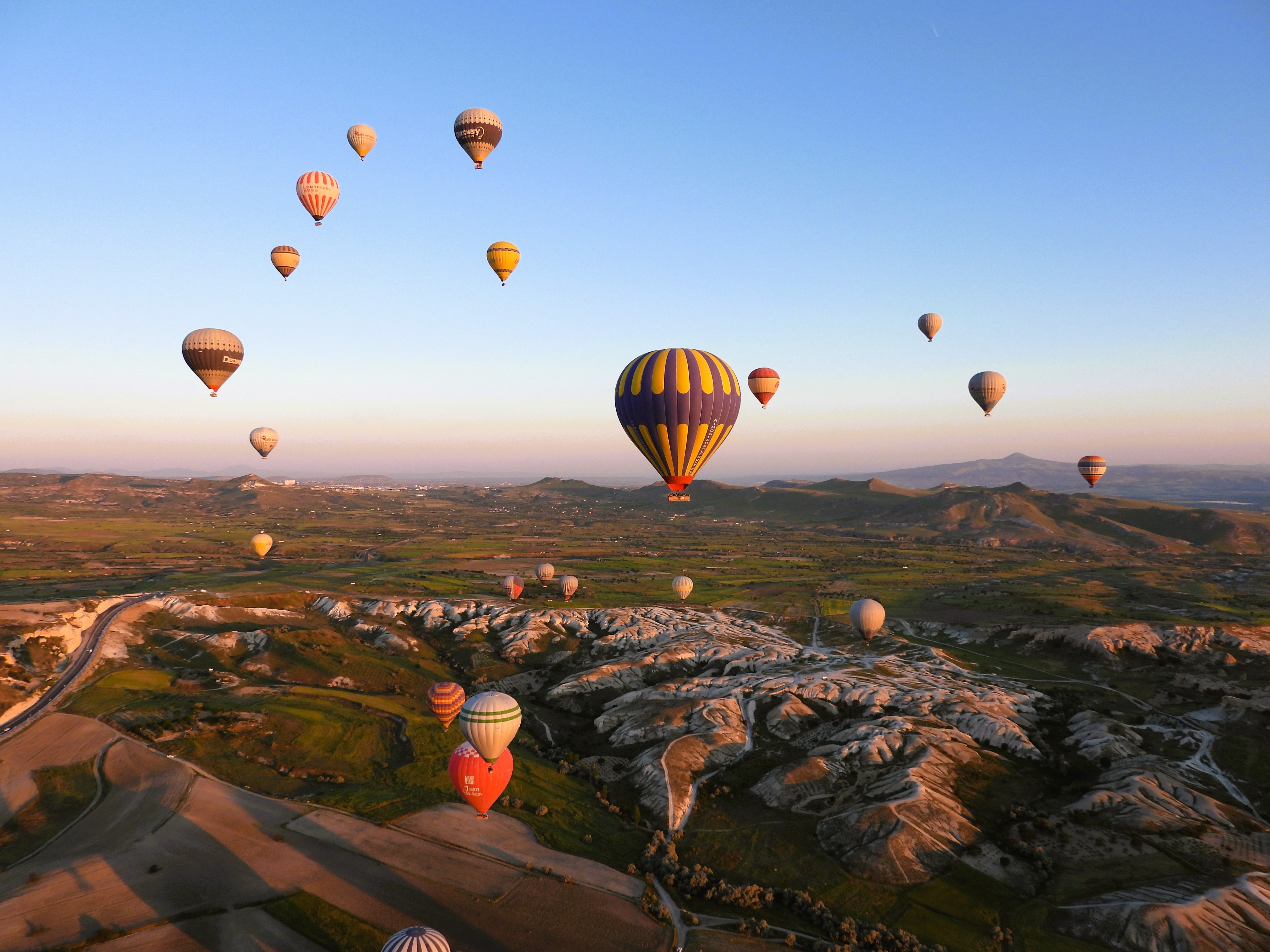
Somebody said there were 160 balloons in the air.
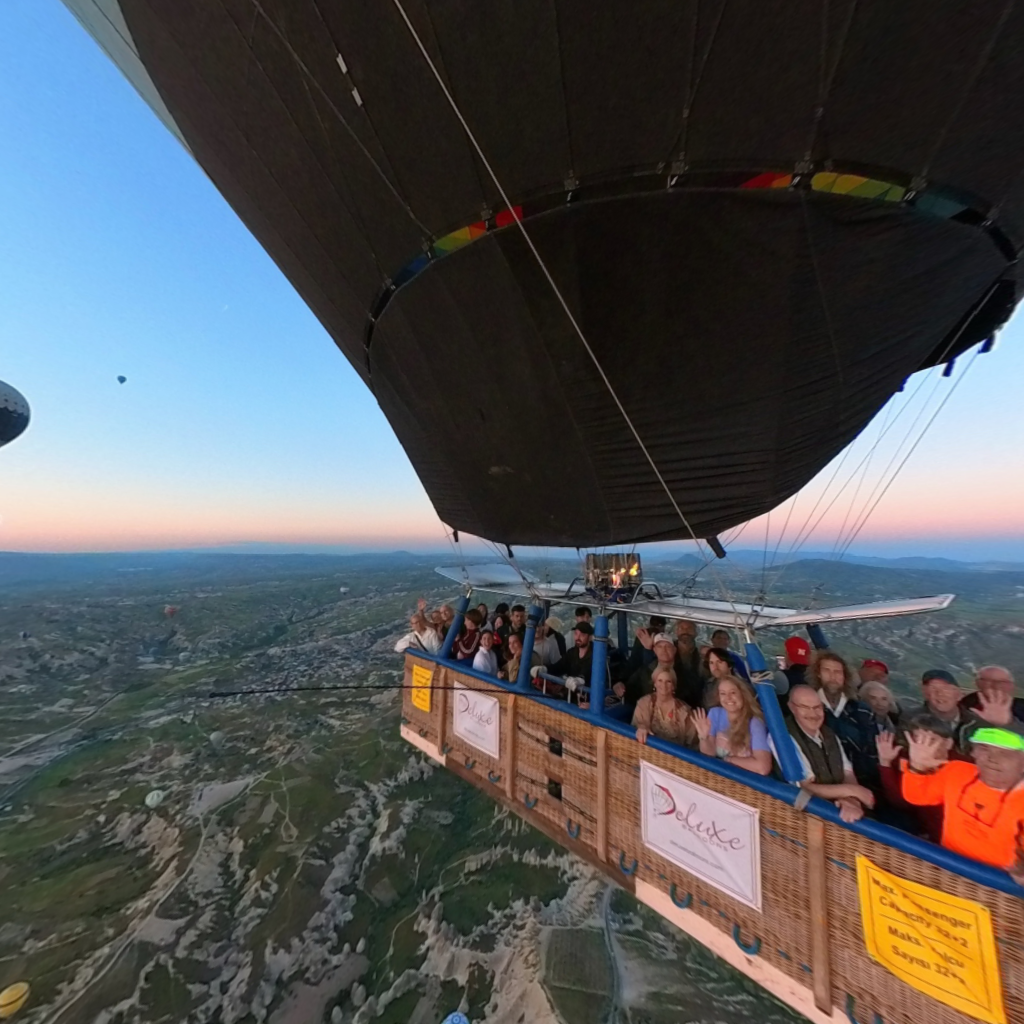
With 32 people (plus 2-man crew) in each balloon.
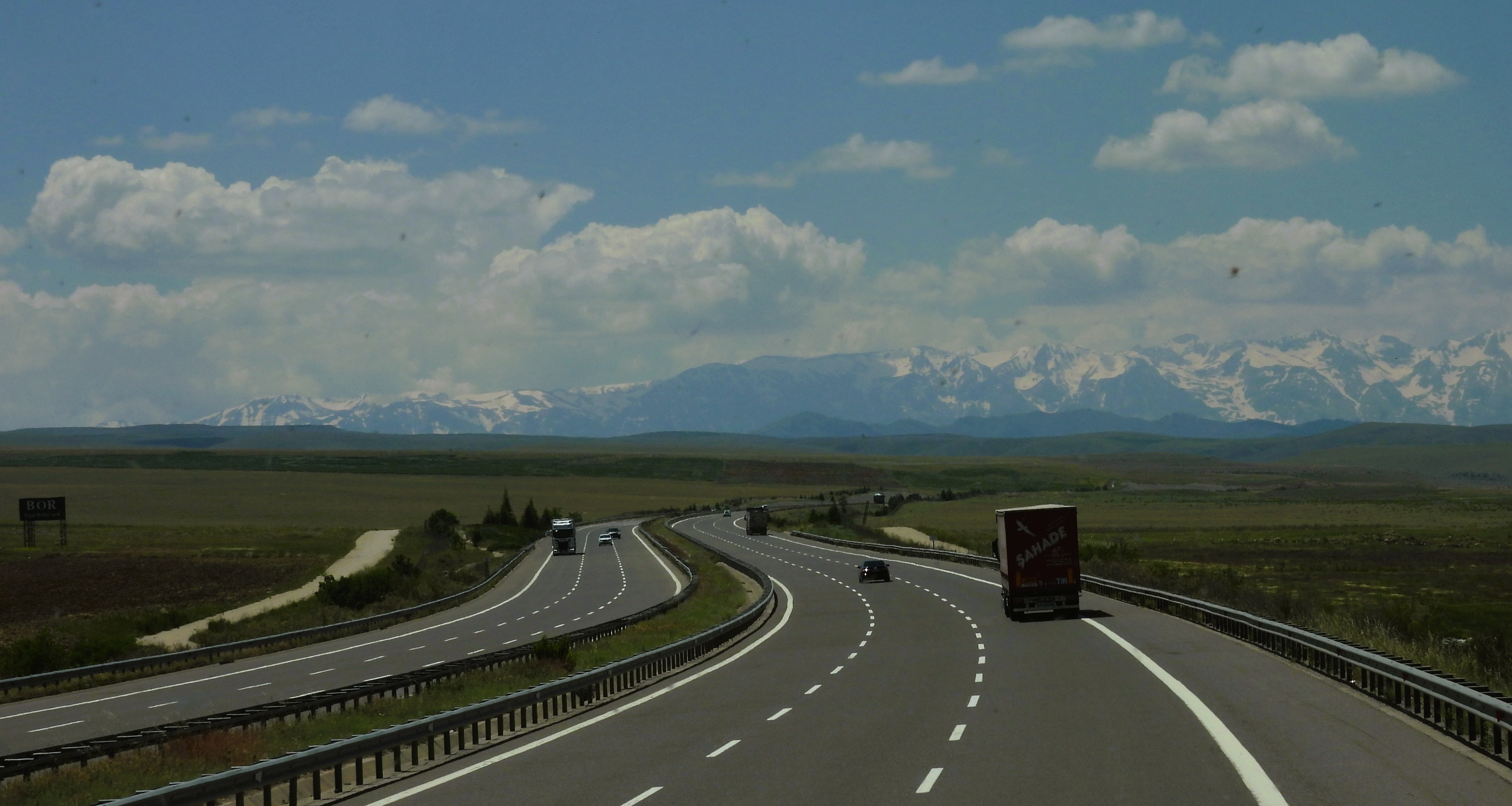
Then we headed south, through the Taurus mountains.
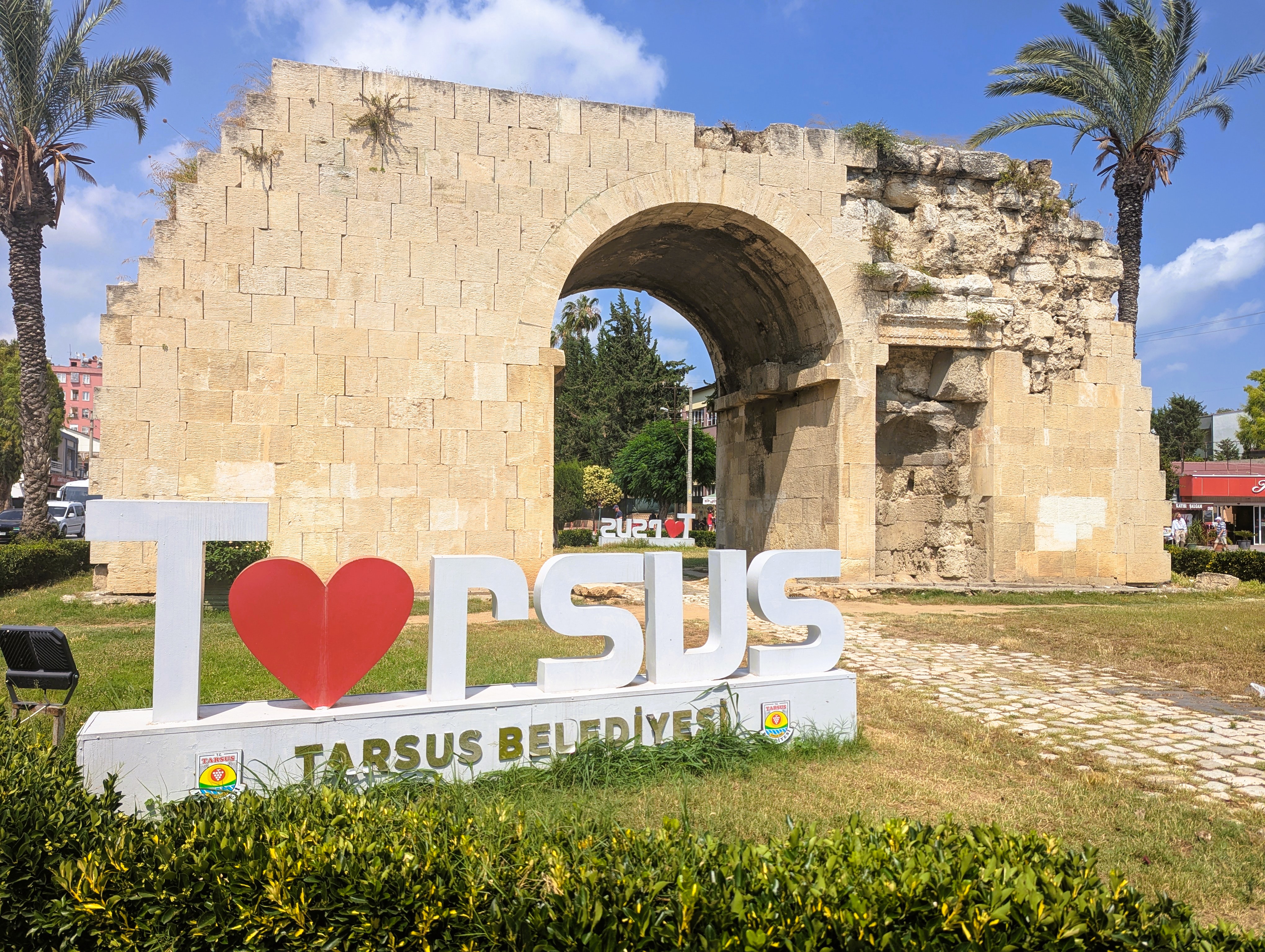
To Tarsus, hometown of the Apostle Paul. It’s a modern city which retains its ancient name but not much in the way of ancient ruins. There’s a section of Roman road. And this is called Cleopatra’s Gate. Yes, that Cleopatra. Tarsus is where she first met Mark Antony.
ANTIOCH & SELEUCIA
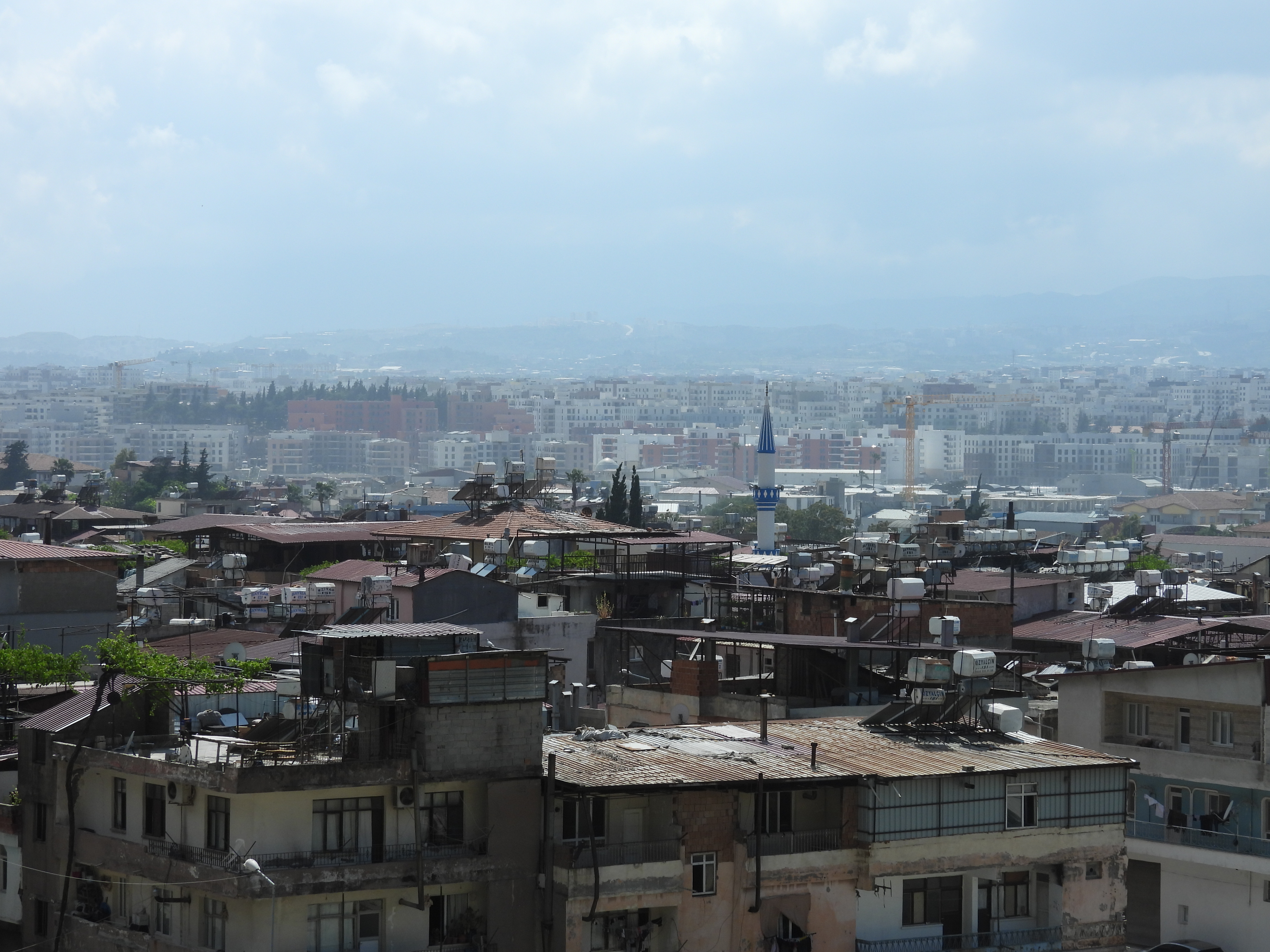
We traveled further east to Antakya, known in the first century as Antioch, where the followers of Jesus were first called Christians. And from which Paul set out on his first and subsequent missionary journeys.
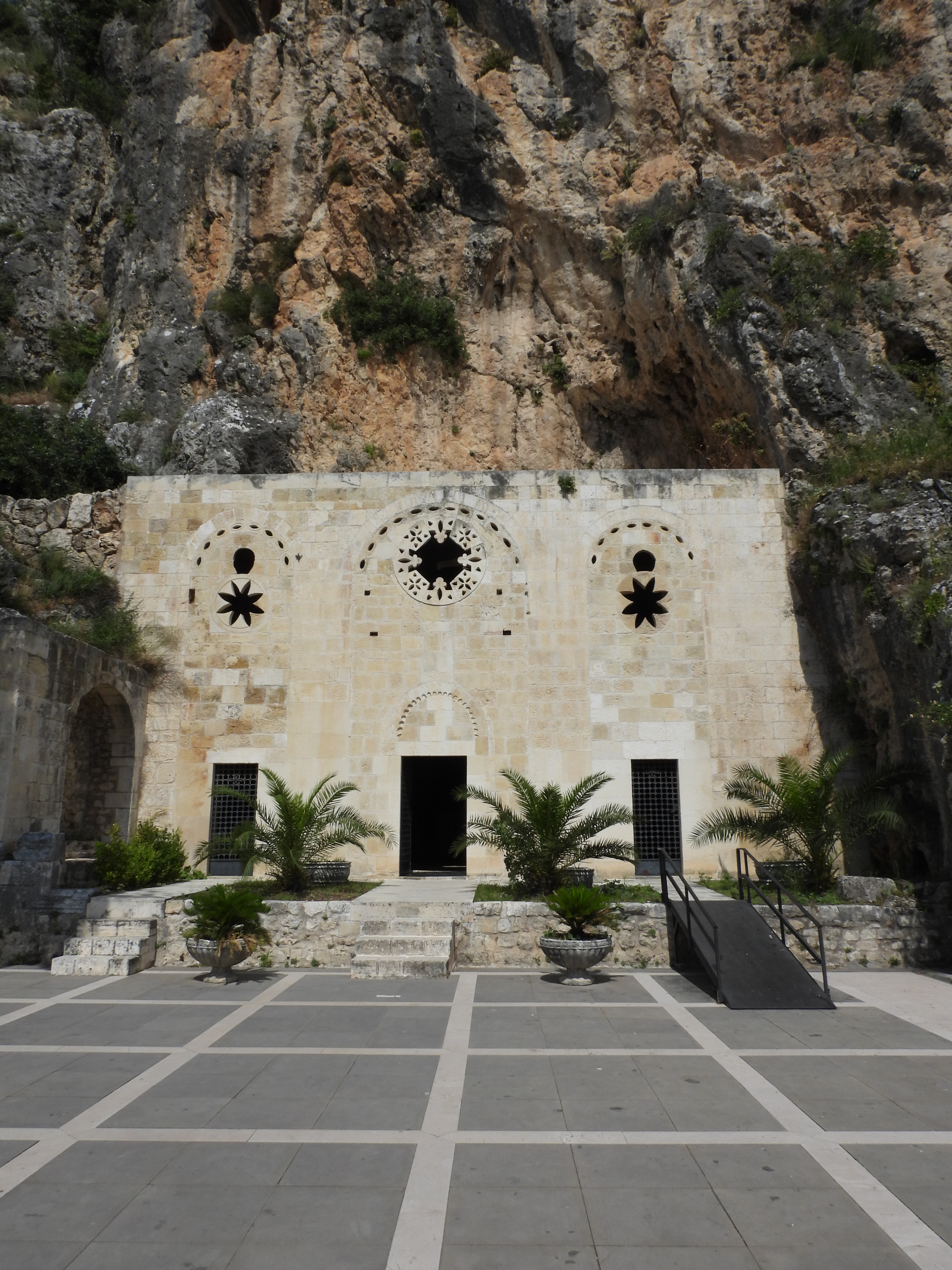
Antakya was devastated by a powerful earthquake just three years ago. Some people are still living in communities made up of shipping containers. Very little remains from the time of the apostles, but this is the cave church of St. Peter.
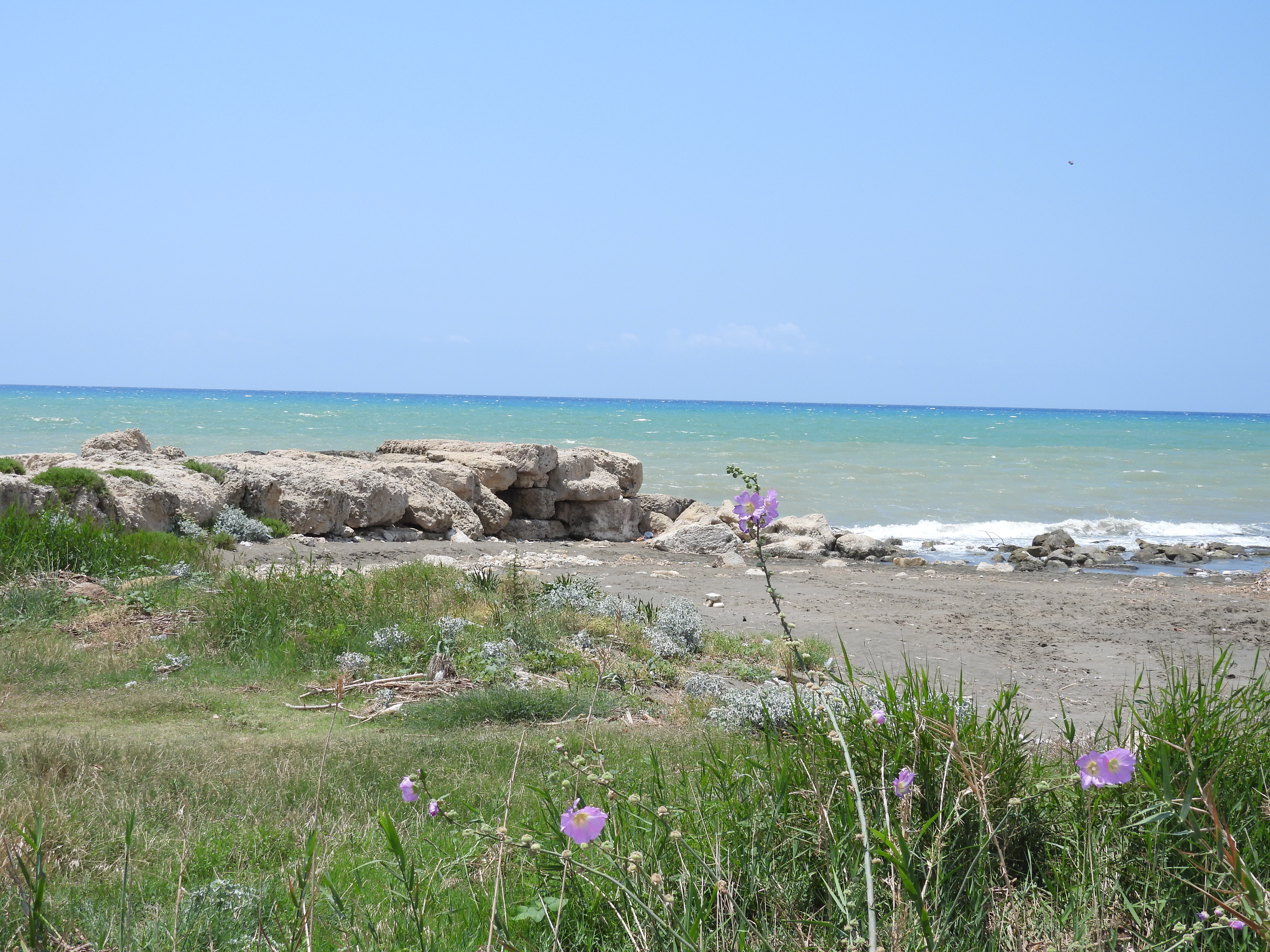
A short distance away, the remains of the harbor of Seleucia, from which Paul and Barnabas departed, as their journey began
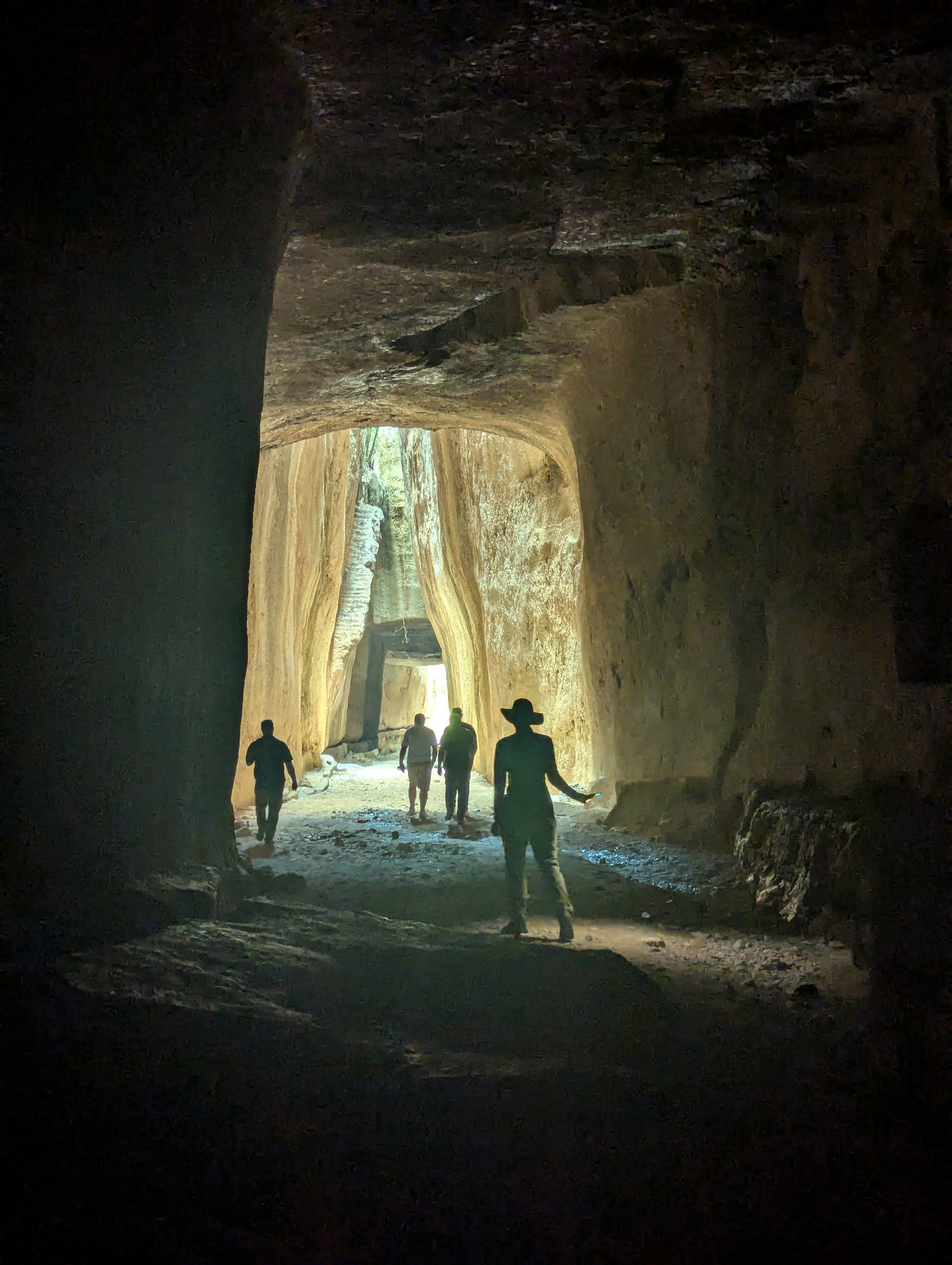
At Seleucia, a first century public works project called the Titus Tunnel, or more correctly the Vespasianus Titus Tunnel. A water diversion project ordered by the Roman Empire Vespasian and carried out by his son Titus.
DERBE, LYSTRA & ICONIUM
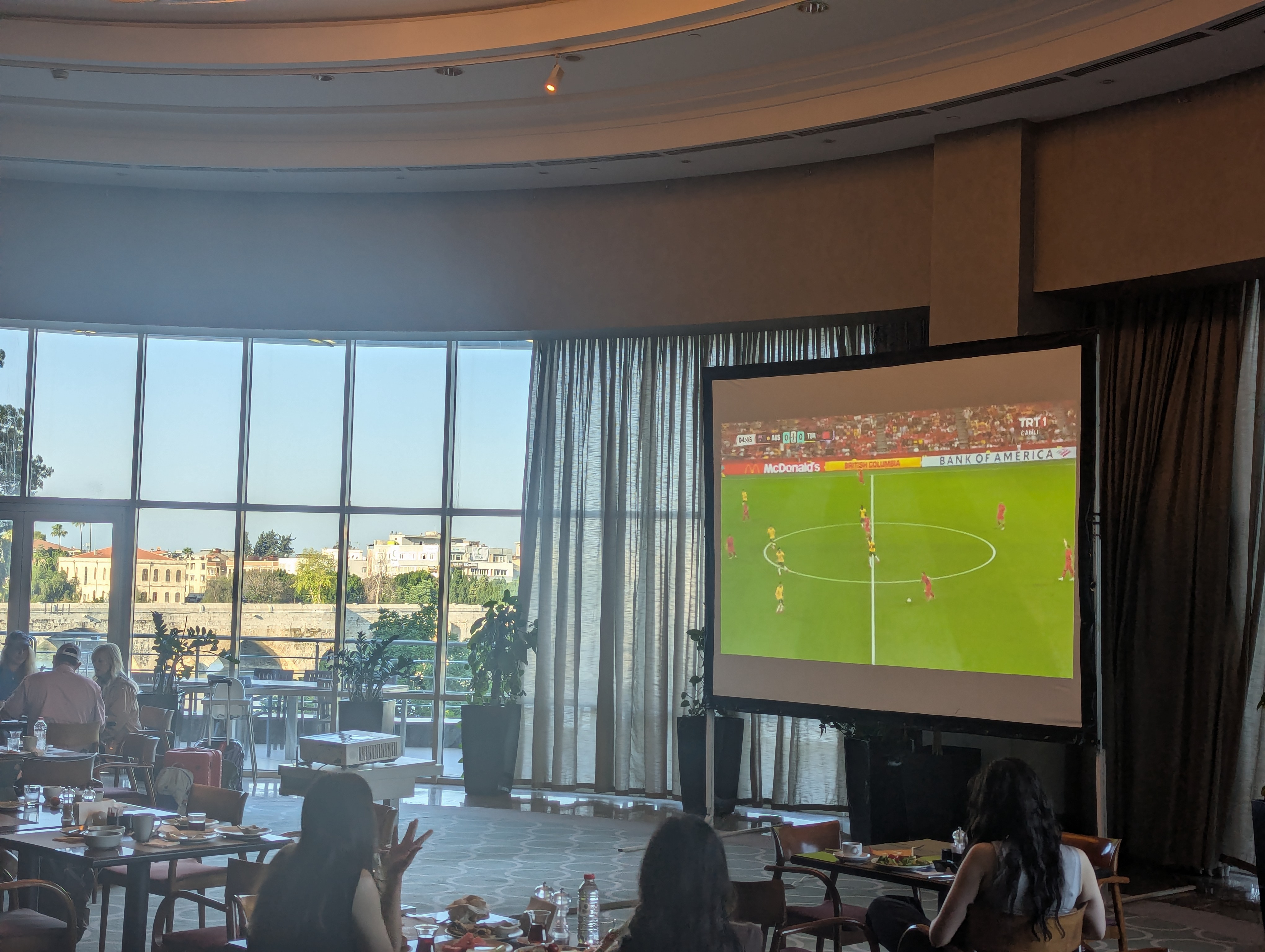
As we began our eastward journey we couldn’t help but join our Turkish hosts in cheering on their World Cup team.
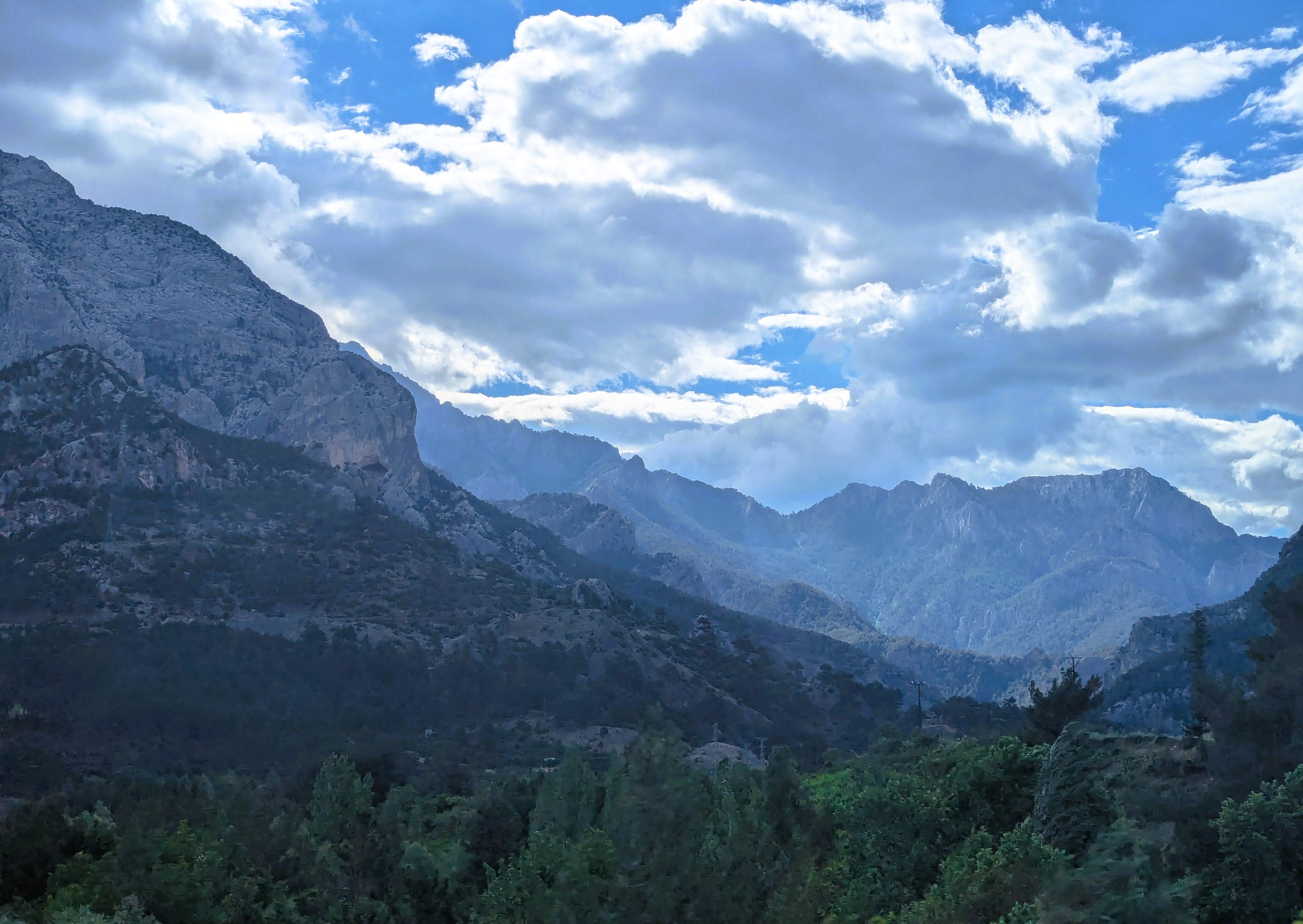
We traveled back through the Taurus mountains, through the famous Cilician Gates. Paul avoided this rugged terrain on his first tour but came this way later on.
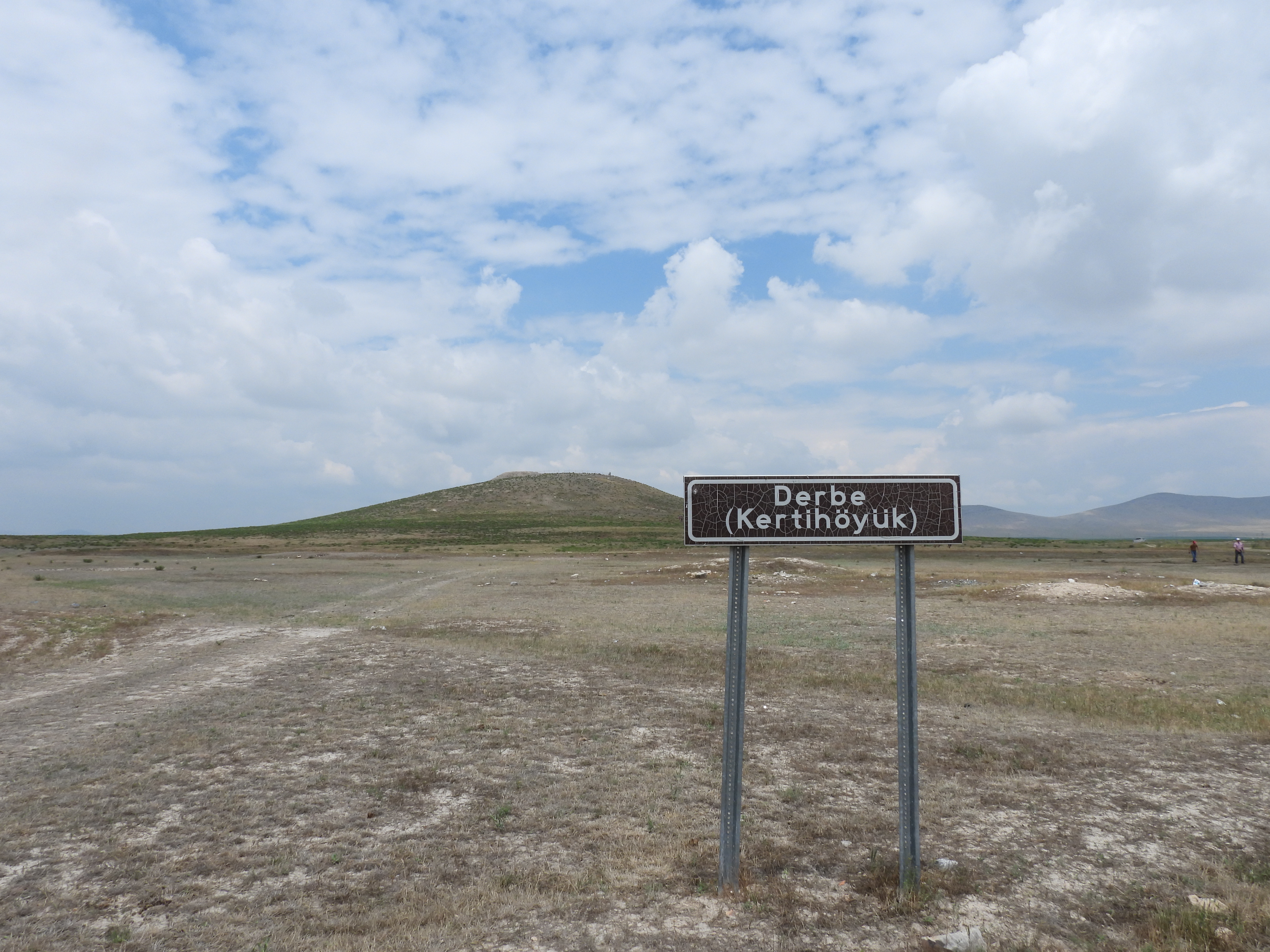
Derbe was the end of the line for Paul and Barnabas on their first missionary journey. After making many disciples, Acts 14 reports, they headed back the way they had come. There’s not much to see at Derbe, the remains of the city are buried in this archaeological mound called a Tell. Very little archaeology has been done here.
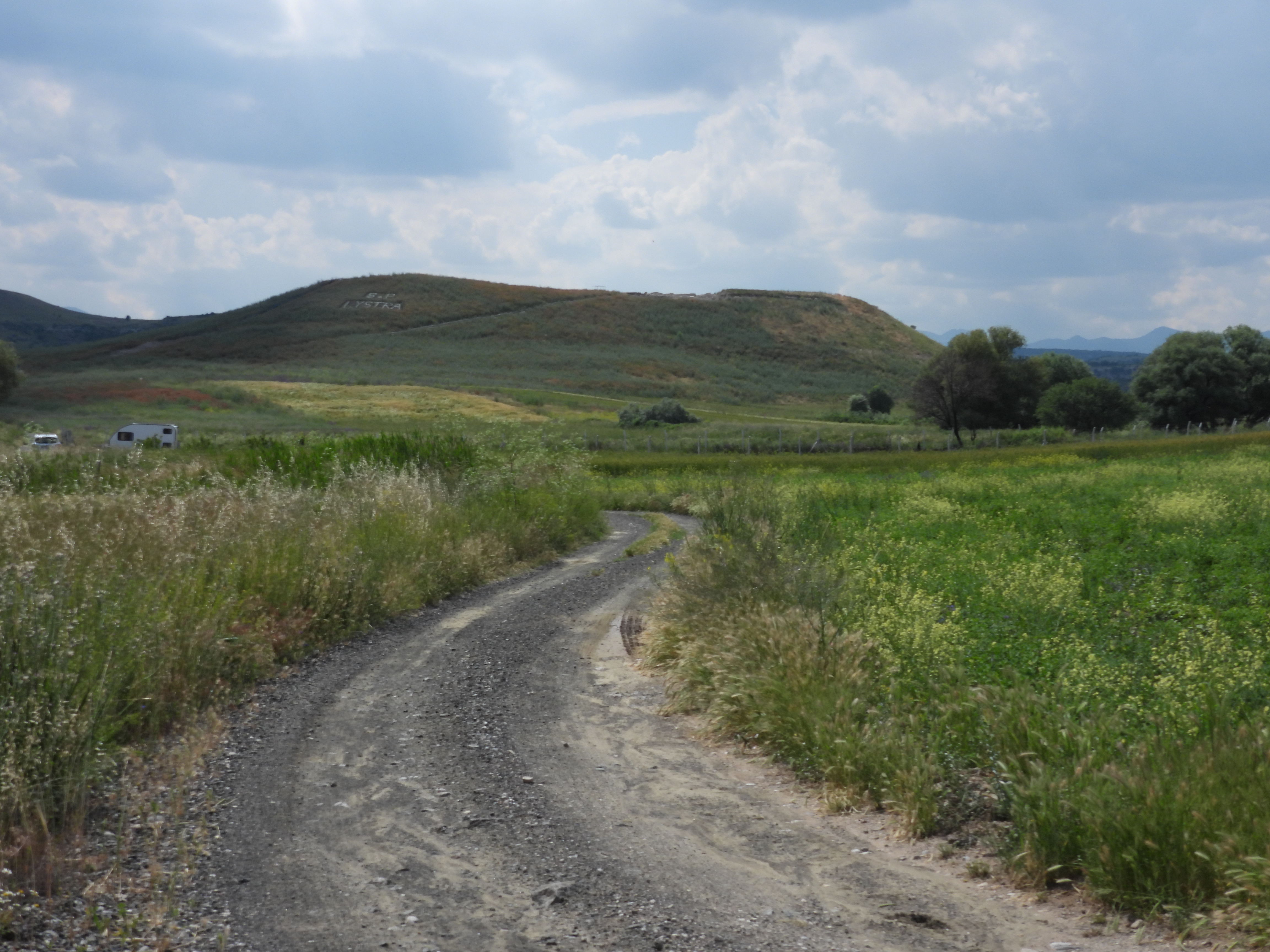
Much the same at Lystra, a Tell in the middle of the countryside. But archaeology is underway and the site is surrounded by a security fence. So we didn’t get a chance to see what they’ve uncovered so far. Lystra was the home of Timothy, who joined Paul and later became his protege. Lystra was not a good experience for Paul on his first visit. He was stoned, dragged out of the city, and left for dead. But he apparently met Timothy so it worked out well in the end.
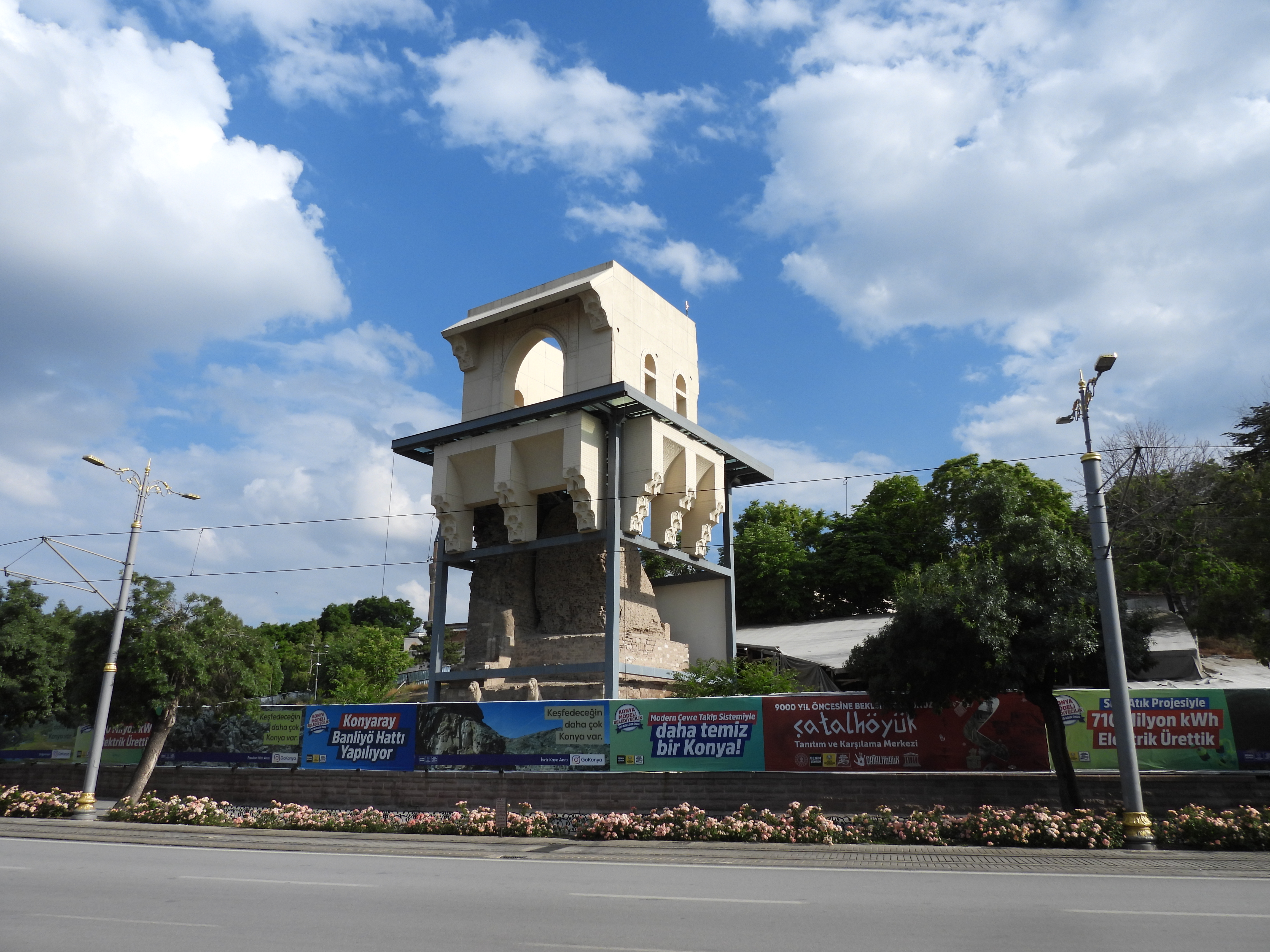
Iconium, the third city visited by Paul in this region, is the modern city of Konya.An ancient gate is being restored, but once again, not much to see related to the ministry of Paul.
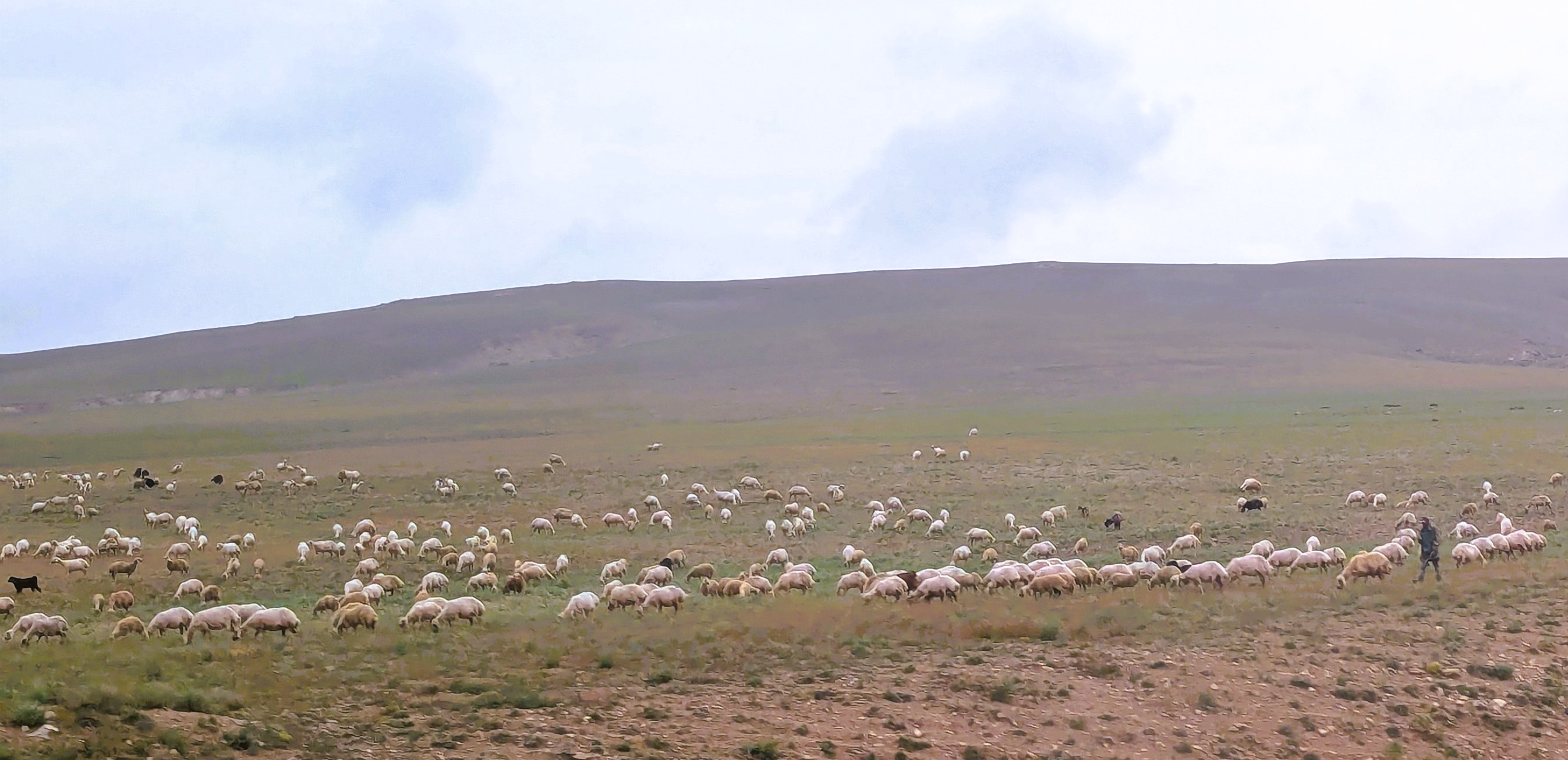
Nonetheless, as we drove cross country and looked at the scenery, we kept realizing, Paul walked here.
ANTIOCH IN PISIDIA
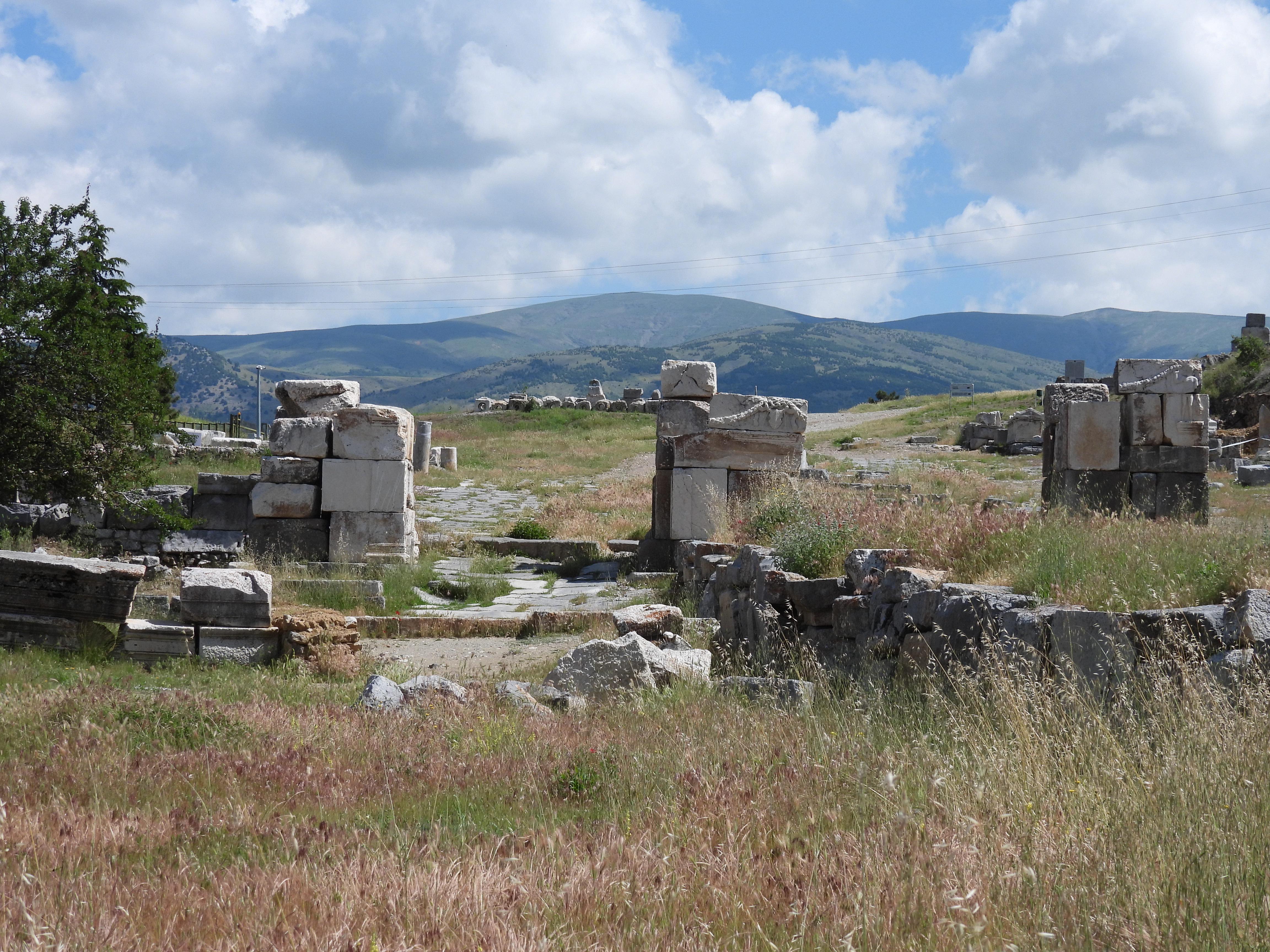
The highlight of Paul’s first missionary journey, was his time in Antioch in Pisidia. Acts 13 actually records the sermon he preached there and says it was well received, by both Jews and Gentiles. We walked through the gate of the city and saw the extensive ruins that remain.
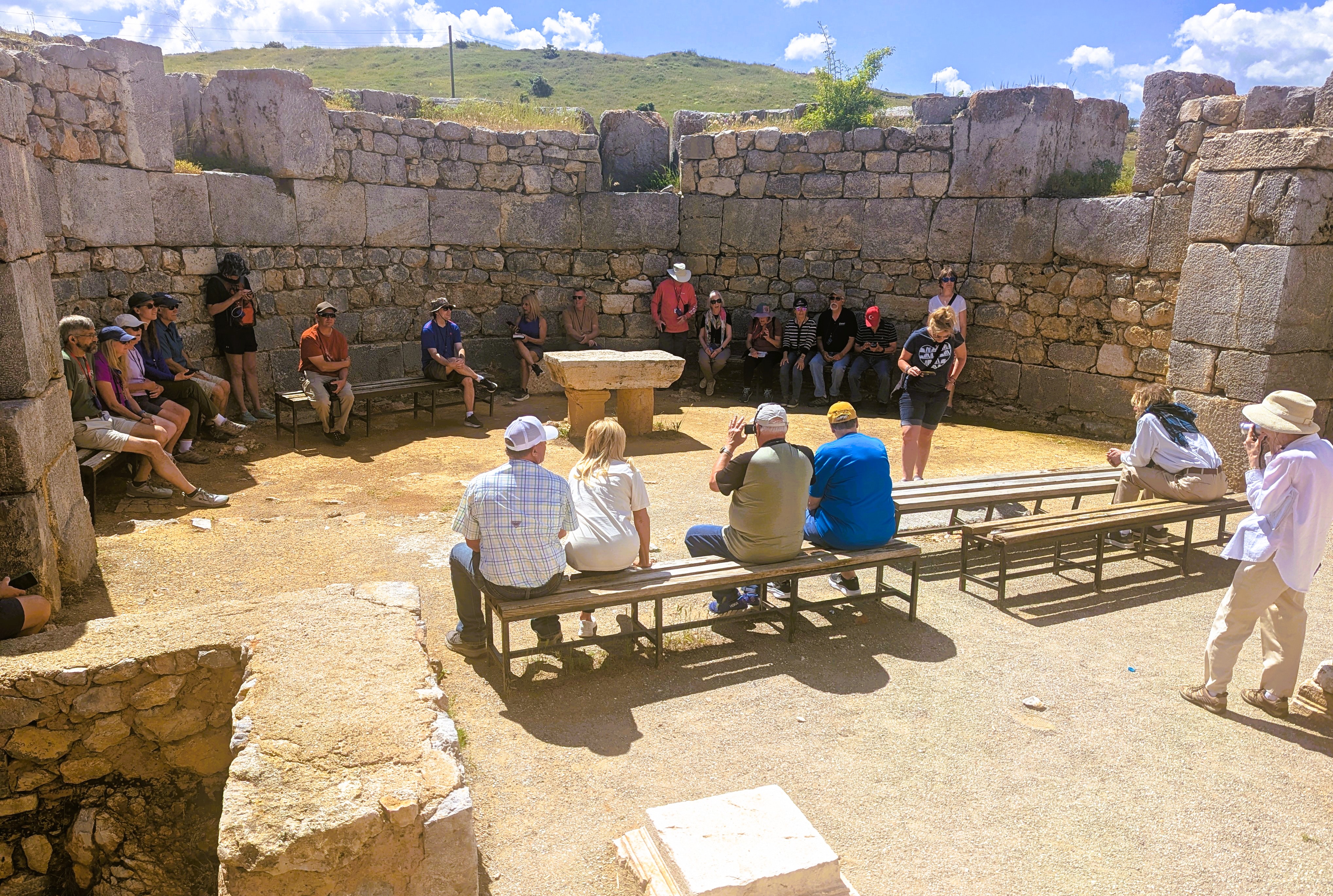
We sat in the ruins of an ancient church and read that account from the book of Acts.
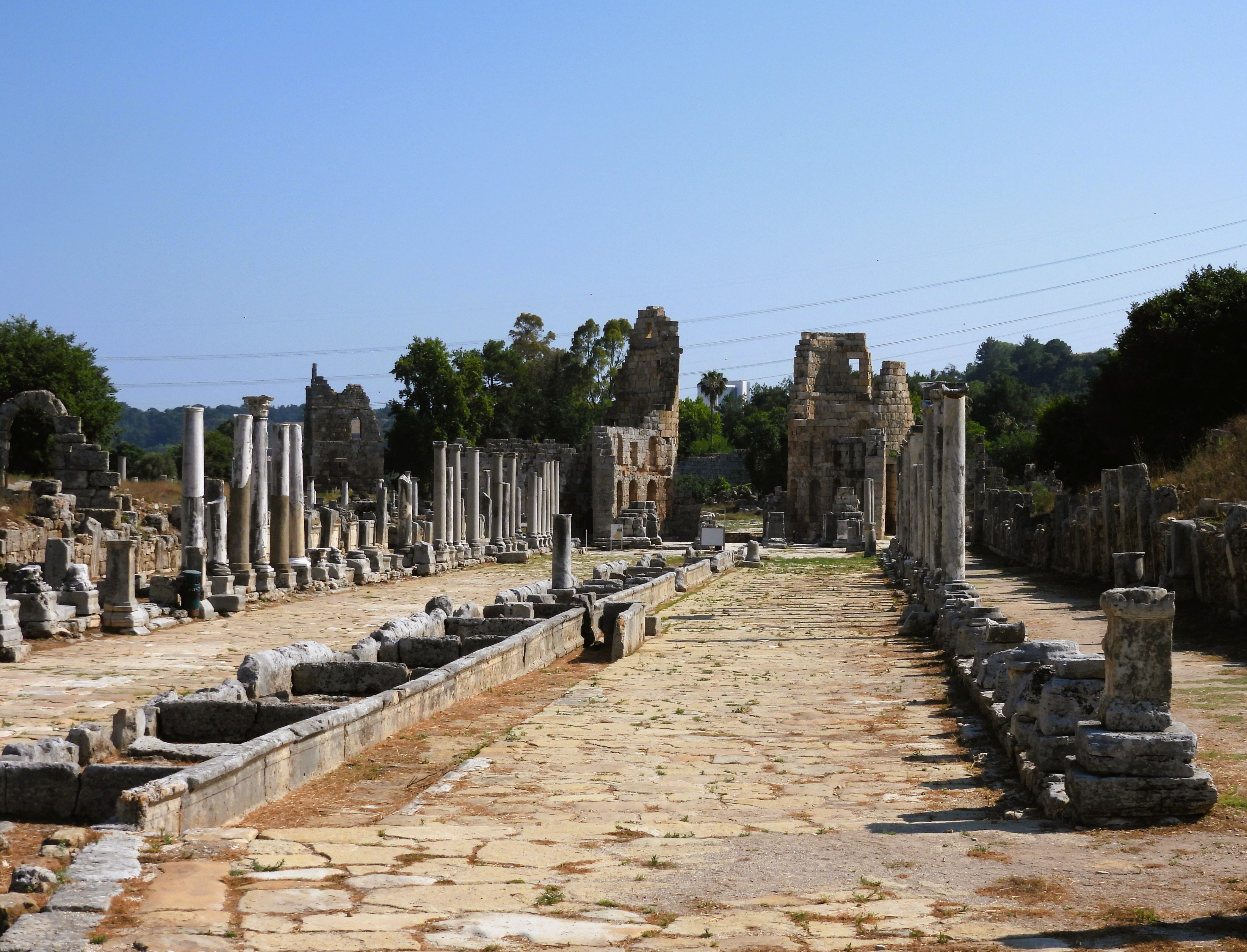
As Paul and Barnabas retraced their steps on their way back to Antioch, they passed through Perga, where the Roman era remains are extensive.
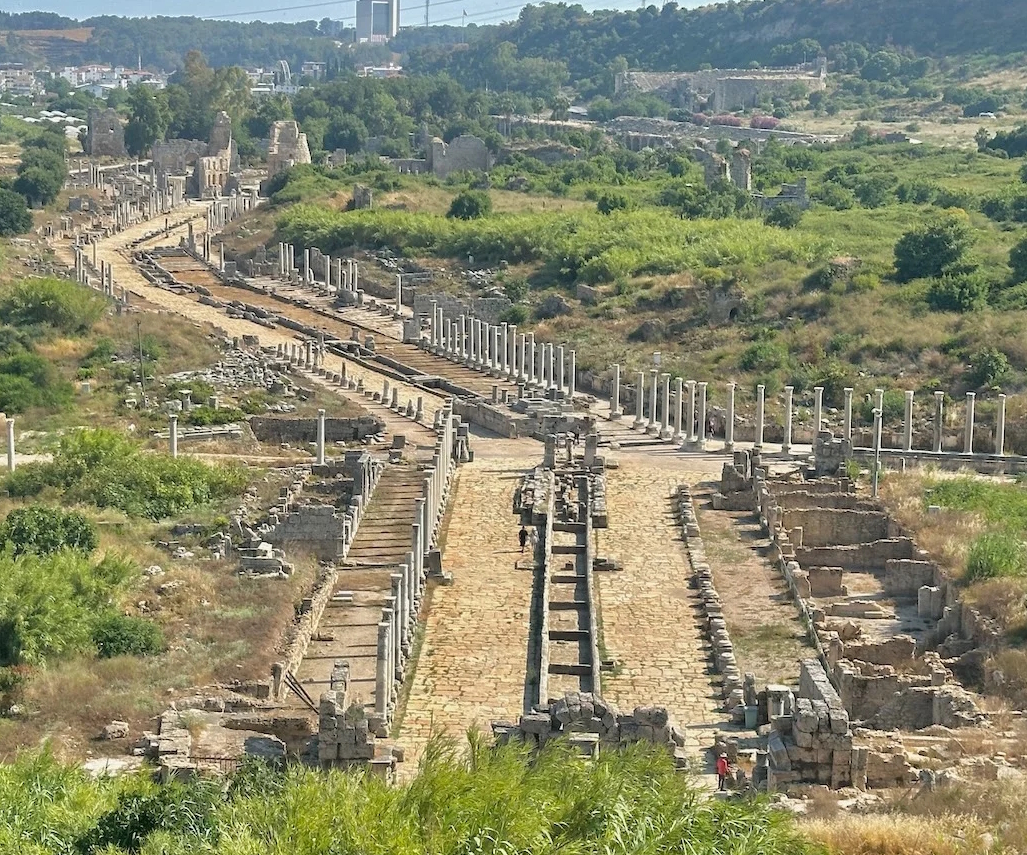
The city streets of Perga are a good example of a Roman cityscape from the time of Paul.
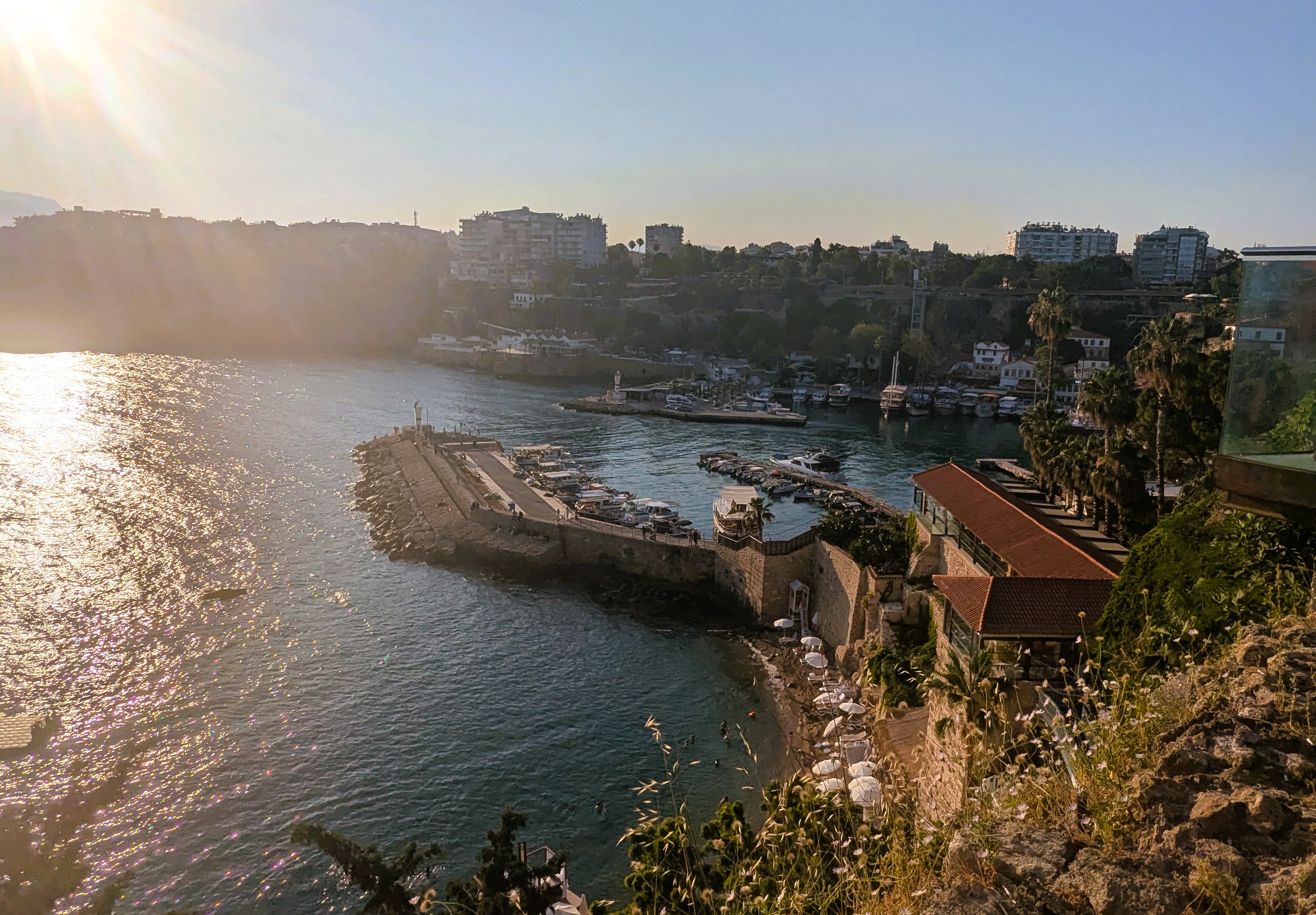
Paul and Barnabas set sail from the harbor at Attalia, our last stop of the day.
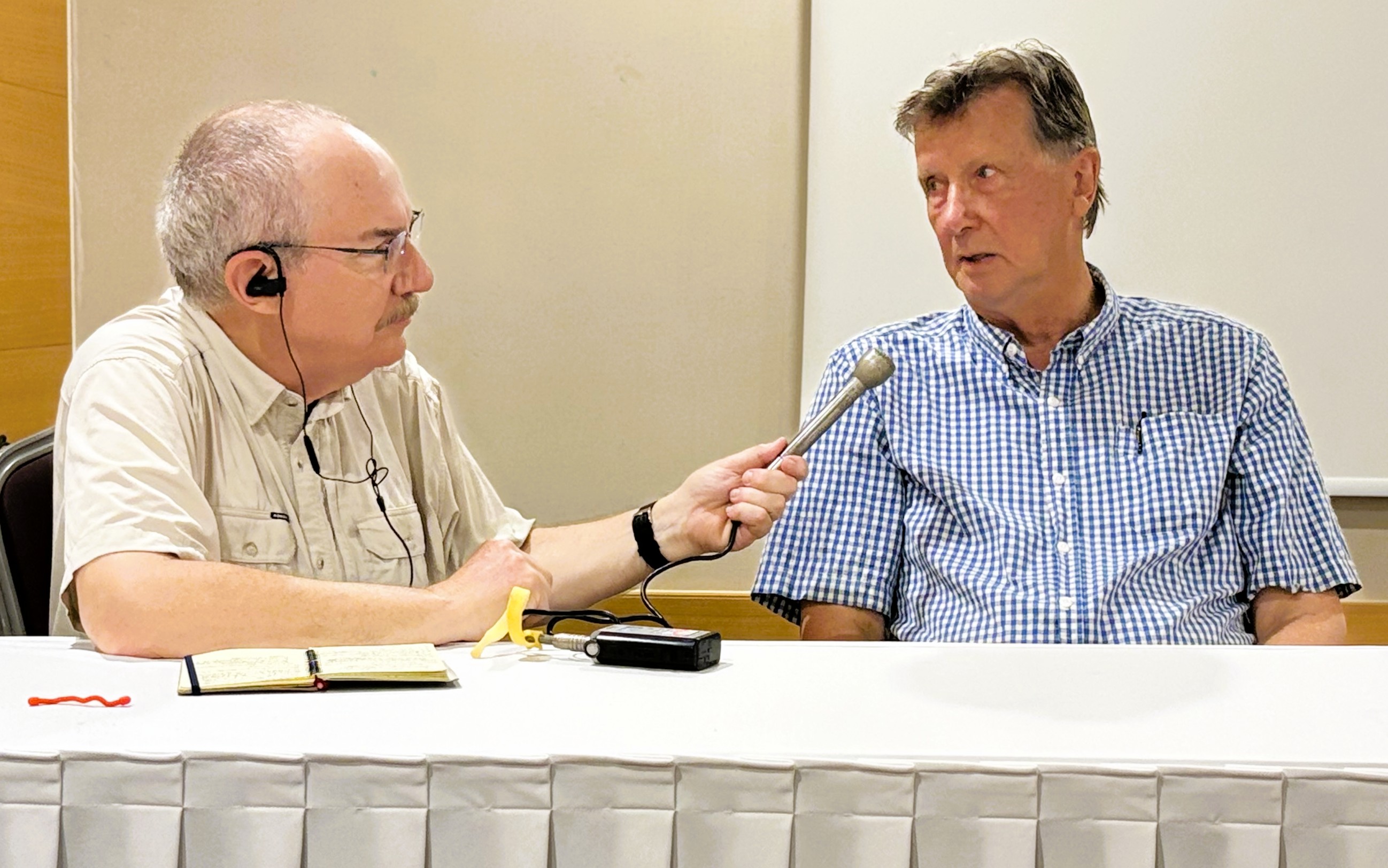
Our last event of the day was recording an episode for my Book & The Spade radio program with Mark Wilson, founder and director of the Asia Minor Research Center, which was located just a few blocks from our hotel. Mark wrote the book on Biblical Turkey, In 43 years, this was the first time my TB&TS radio program was recorded in front of a live audience.
COLOSSIANS, LAODICEA & HIERAPOLIS
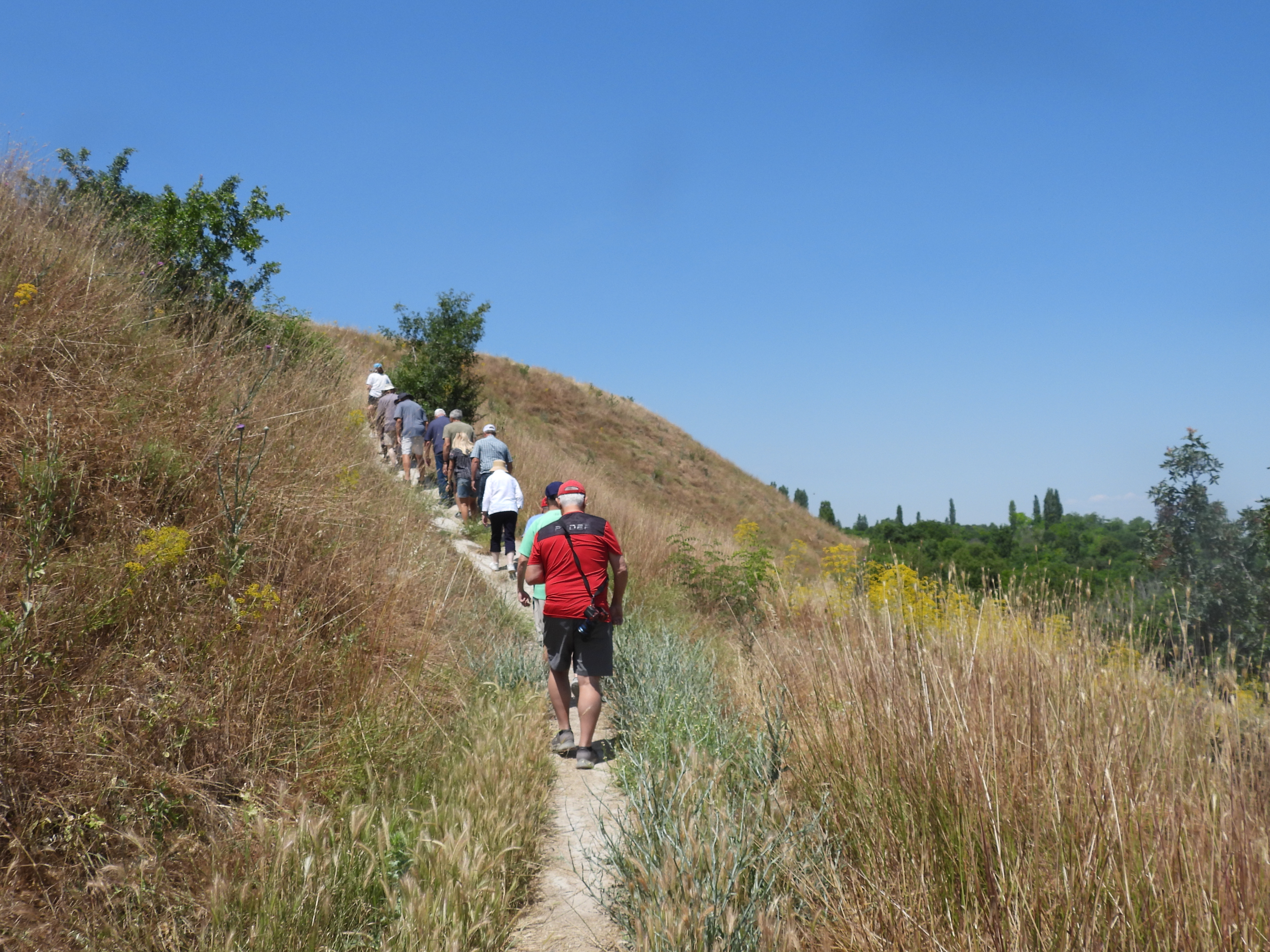
When we got to Colossae, there was another Tell to climb. Archaeology has just started here but we weren’t able to see where they were digging. Paul wrote a letter to the Colossians and asked them to share it with the folks in Laodicea. And the Laodiceans were supposed to share the letter that Paul wrote to them. We don’t have that letter, apparently it wasn’t shared very well. Our next stop, about 7 miles down the road, was Laodicea.
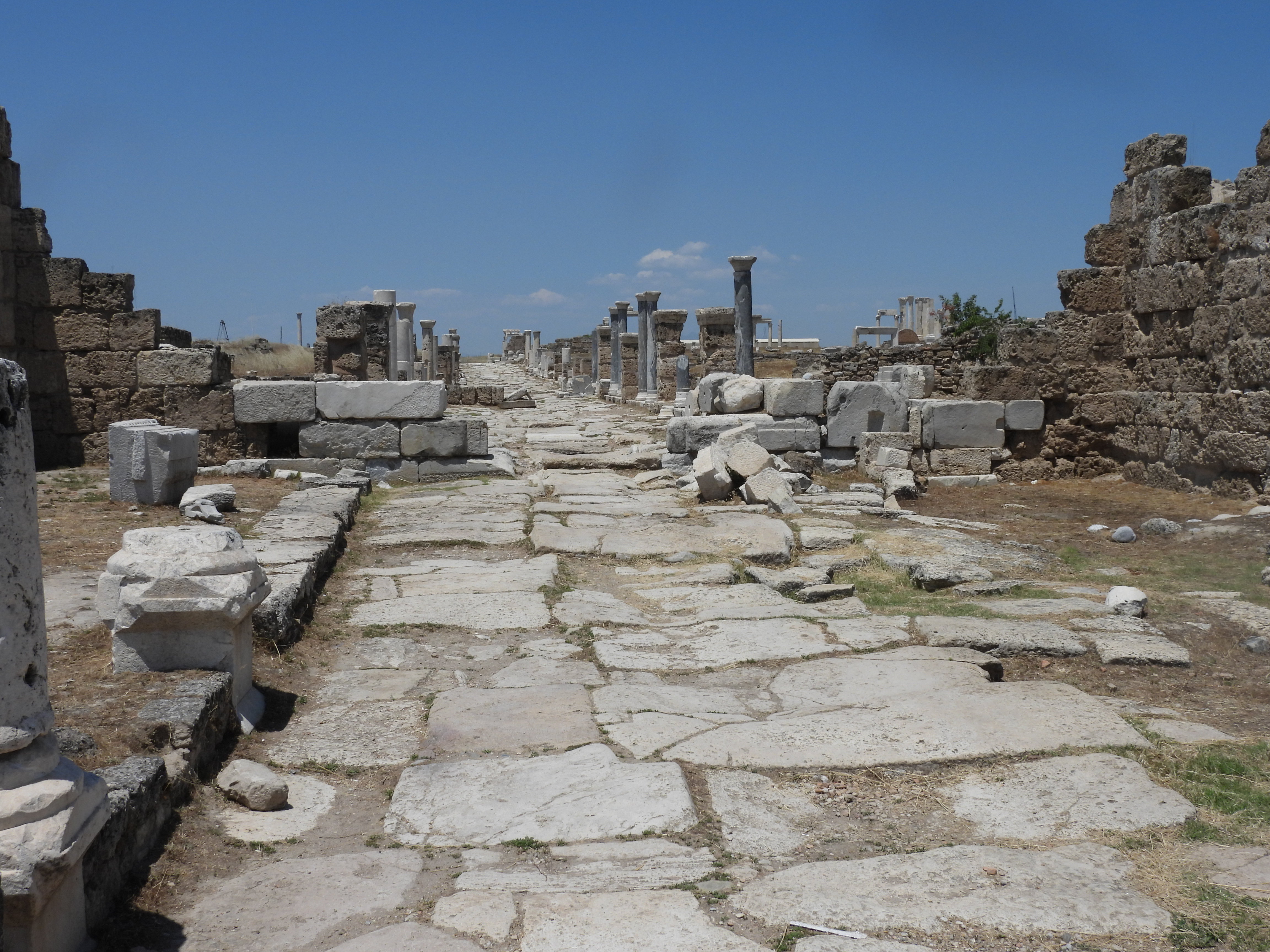
When I first started my radio program several decades ago, Laodicea had not been excavated. That has changed. It’s been excavated a lot and there’s a lot to see including 2 theaters, remains of churches, etc.
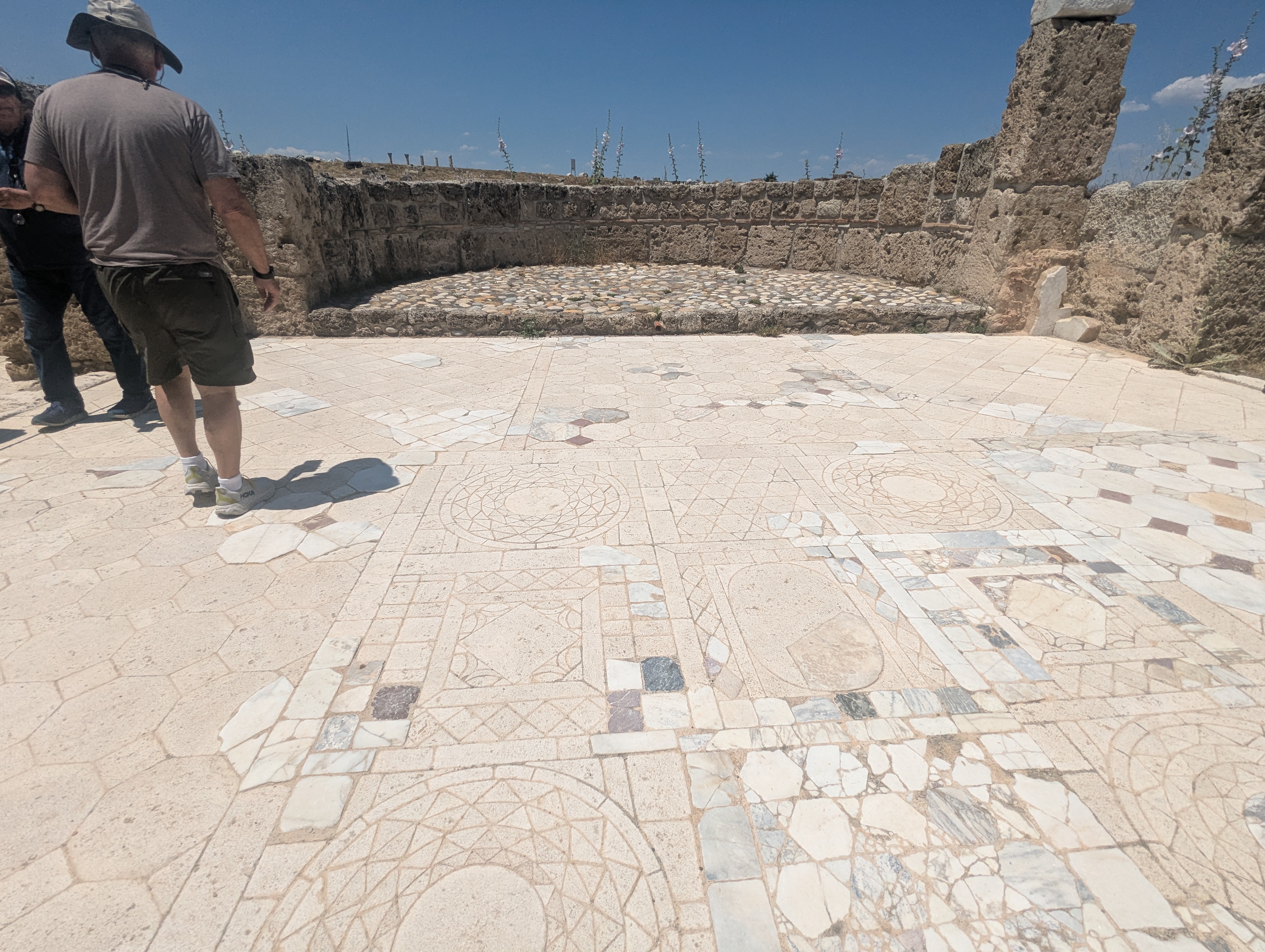
This was a palatial house that was also used as a church. In the book of Revelation, God says that the people of Laodicea are lukewarm. He would rather have them be either hot or cold. This is taken as a reference to the cold springs of Colossae and the hot springs of Hierapolis, two nearby cities.
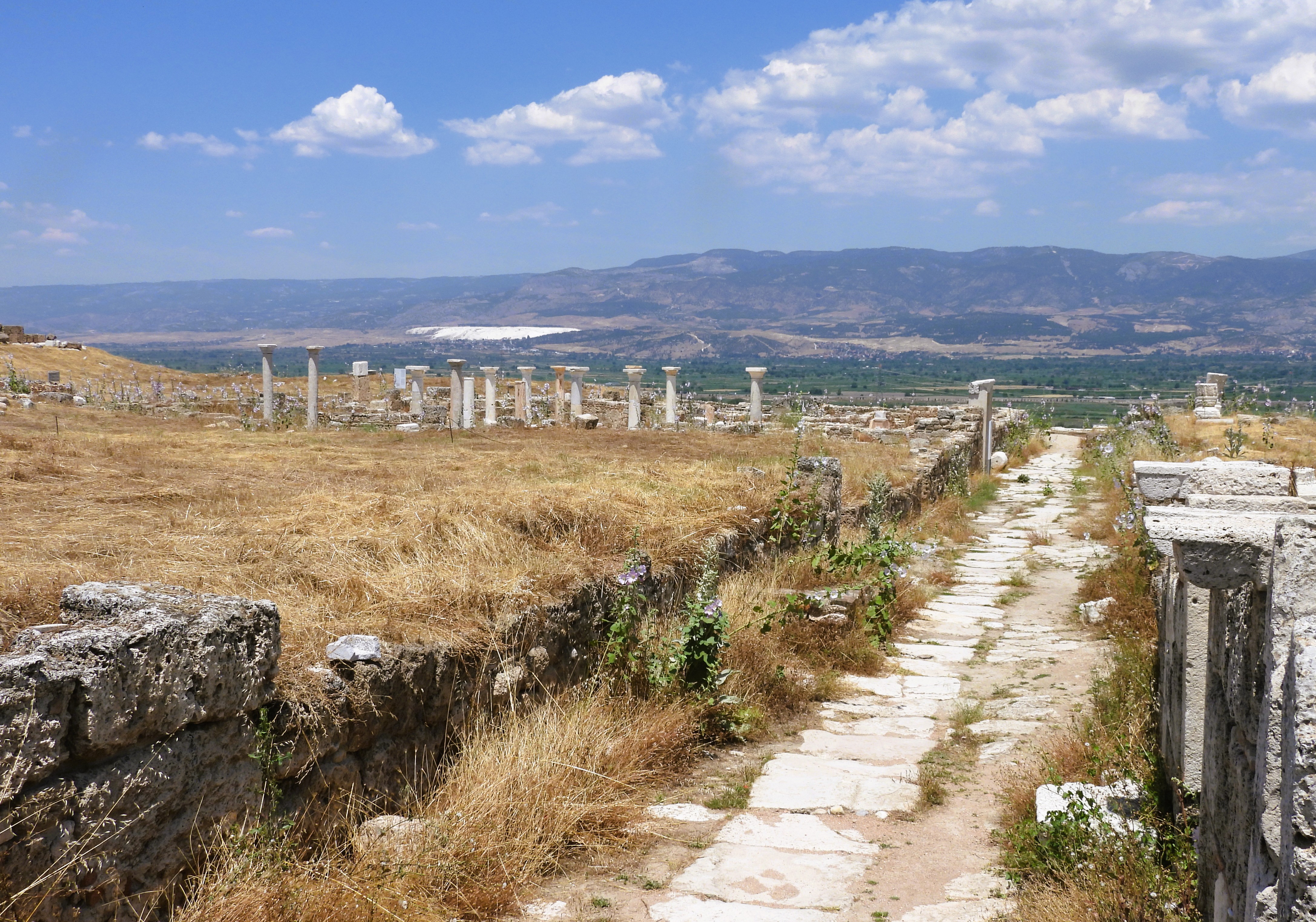
You can easily make out the white salty hot springs of Hierapolis from Laodicea.
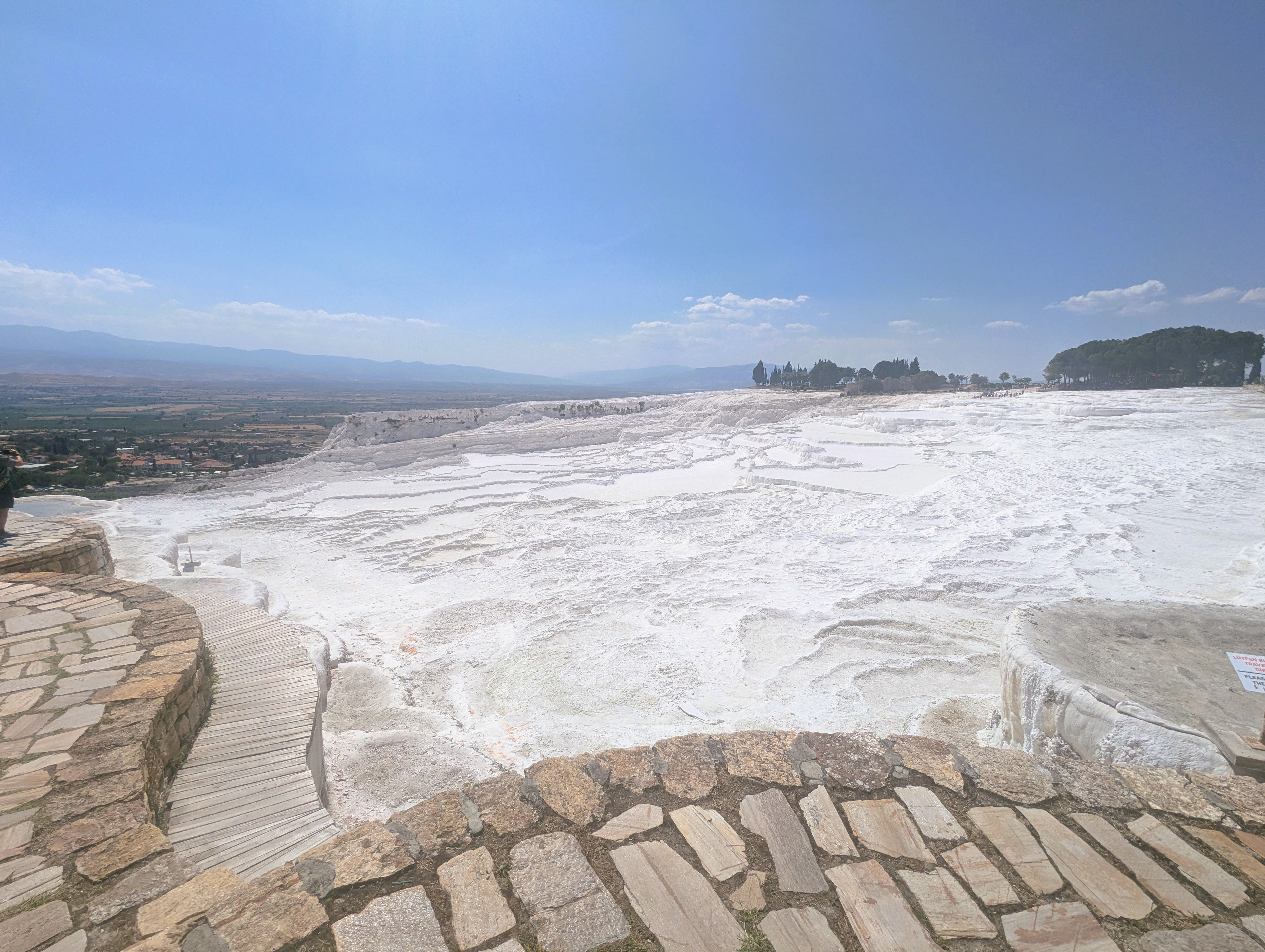
It not as easy to see Laodicea from Hierapolis.
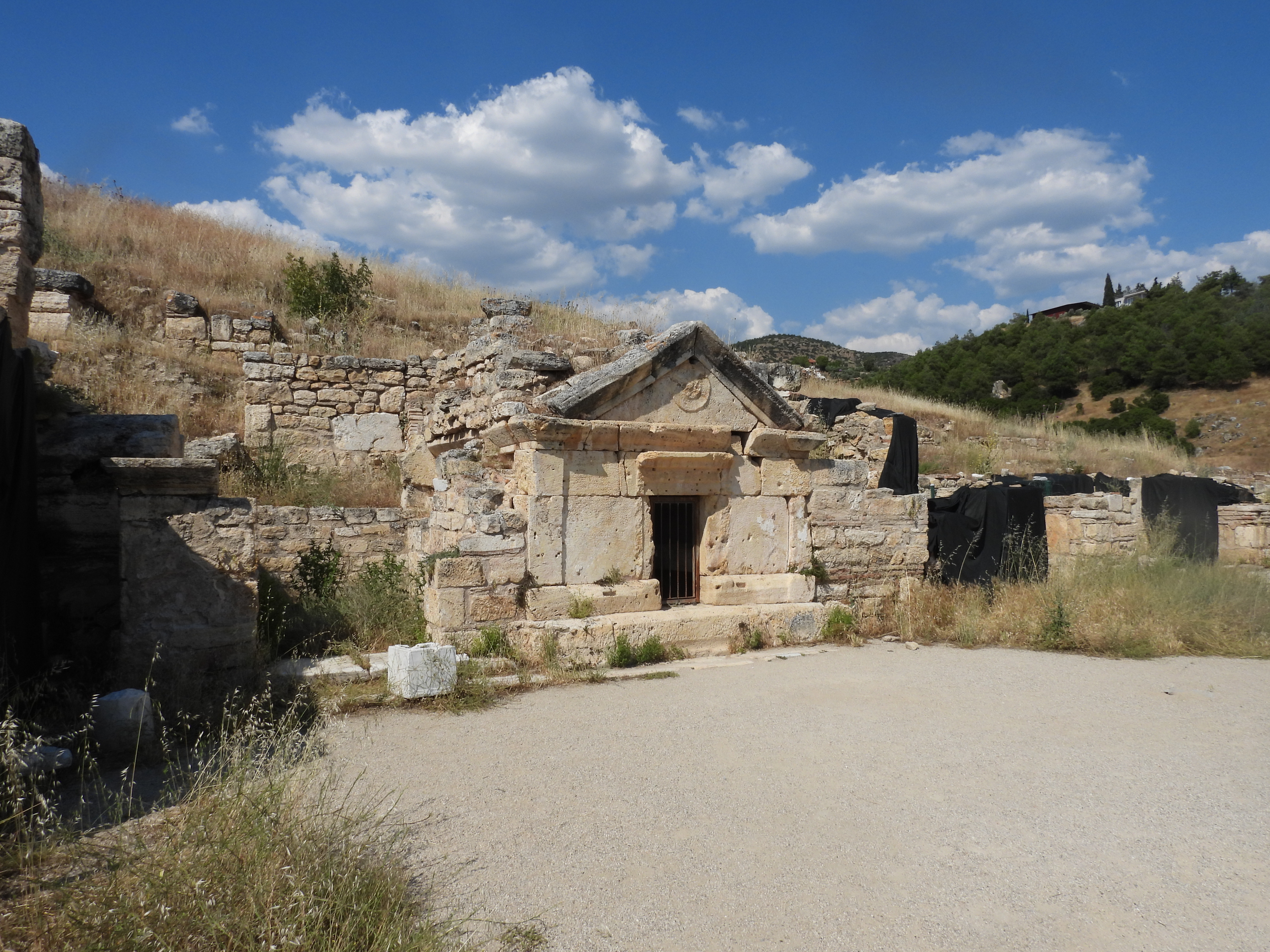
Also at Hierapolis, the tomb of the apostle Philip.
PHILADEPHIA, THYATIRA, SARDIS & PERGAMUM
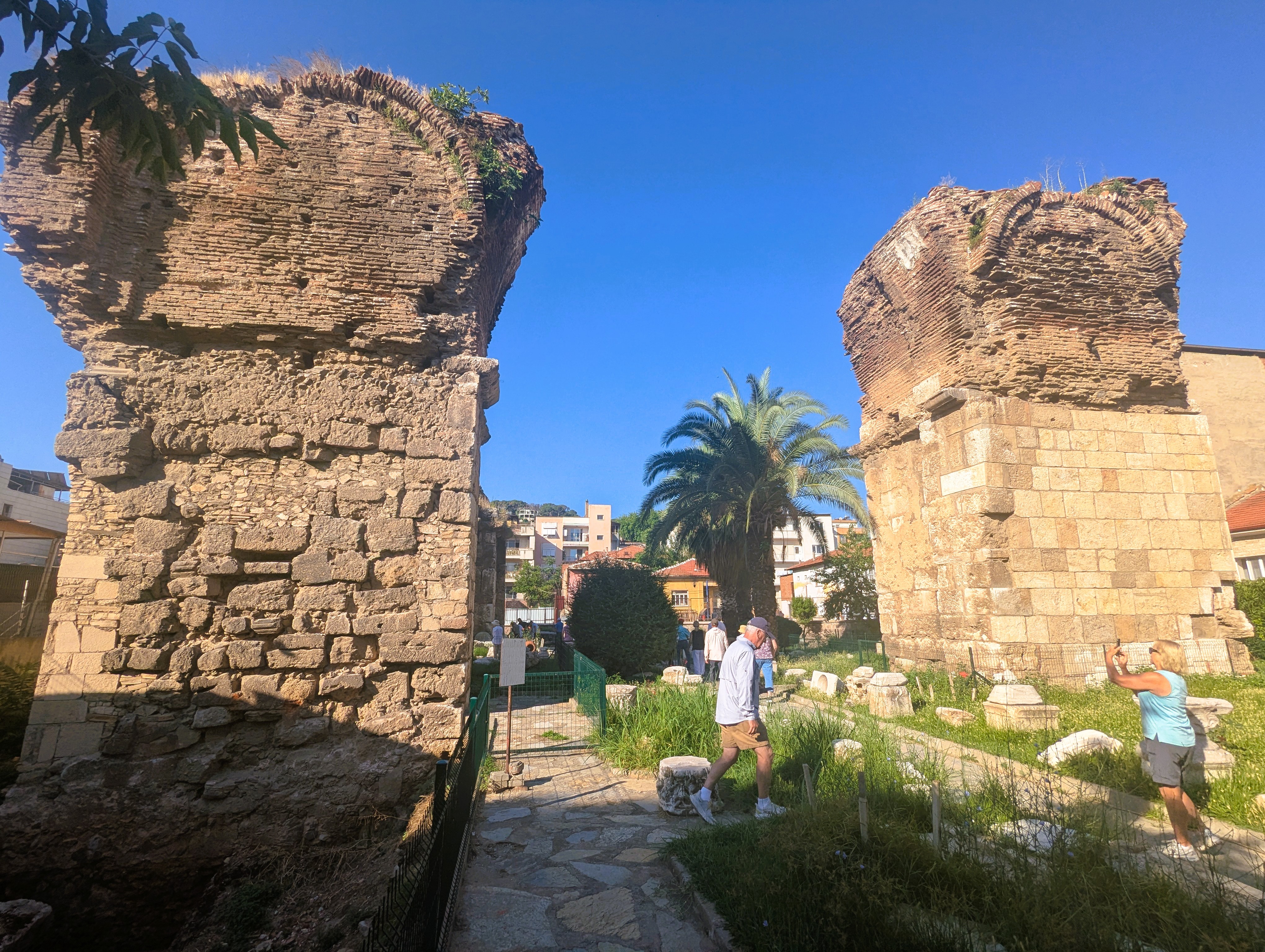
As we continued to visit the seven churches of Revelation chapters two and three, Philadelphia was next. Located today in the modern Turkish city of Alaşehir, there was little to see beyond the remains of these pillars from an early Christian church.
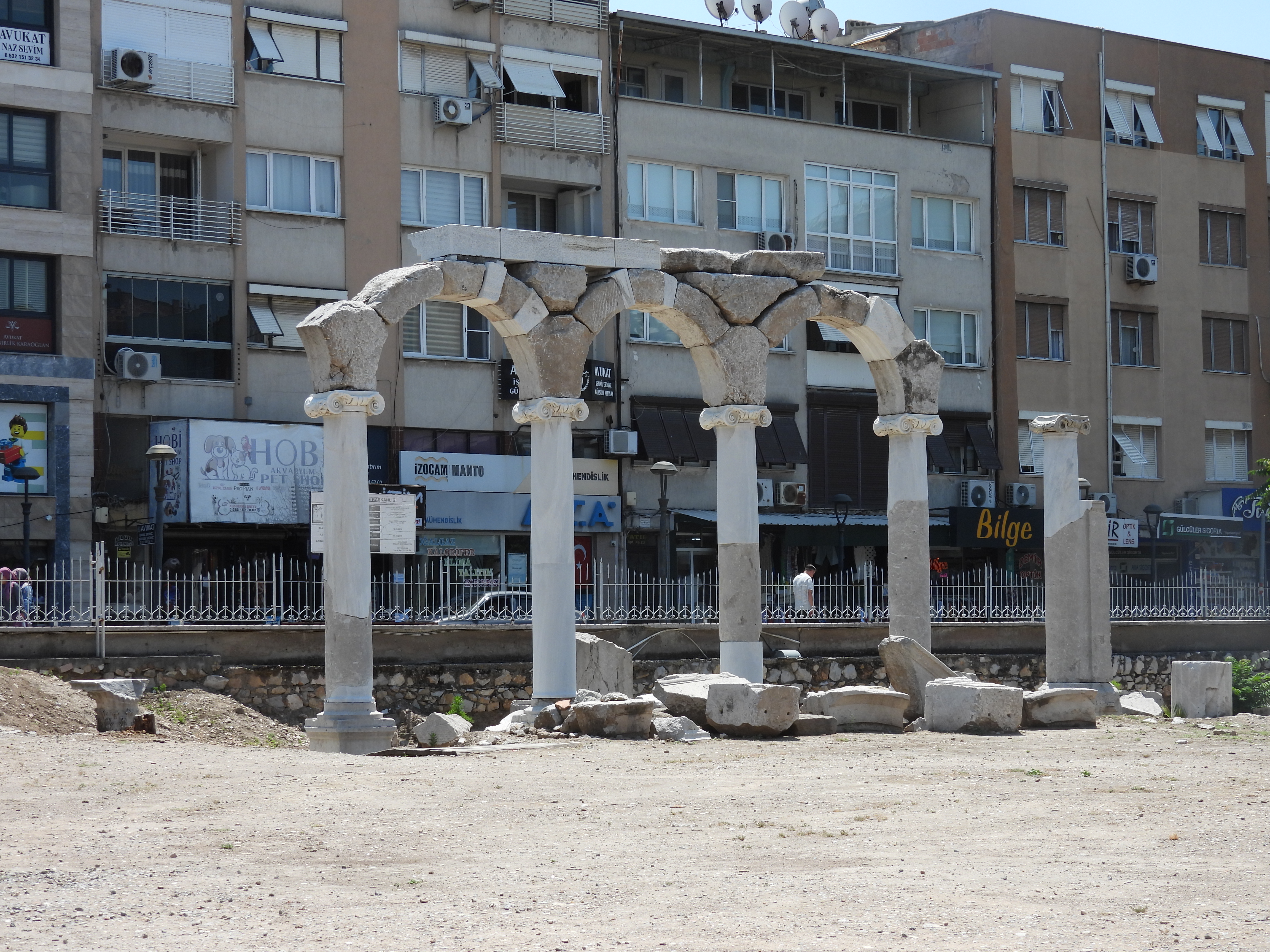
Thyatira was much the same. The home of Lydia, the first Christian convert in Europe (Acts 16:14), today surrounded by the modern Turkish city of Akhisar.
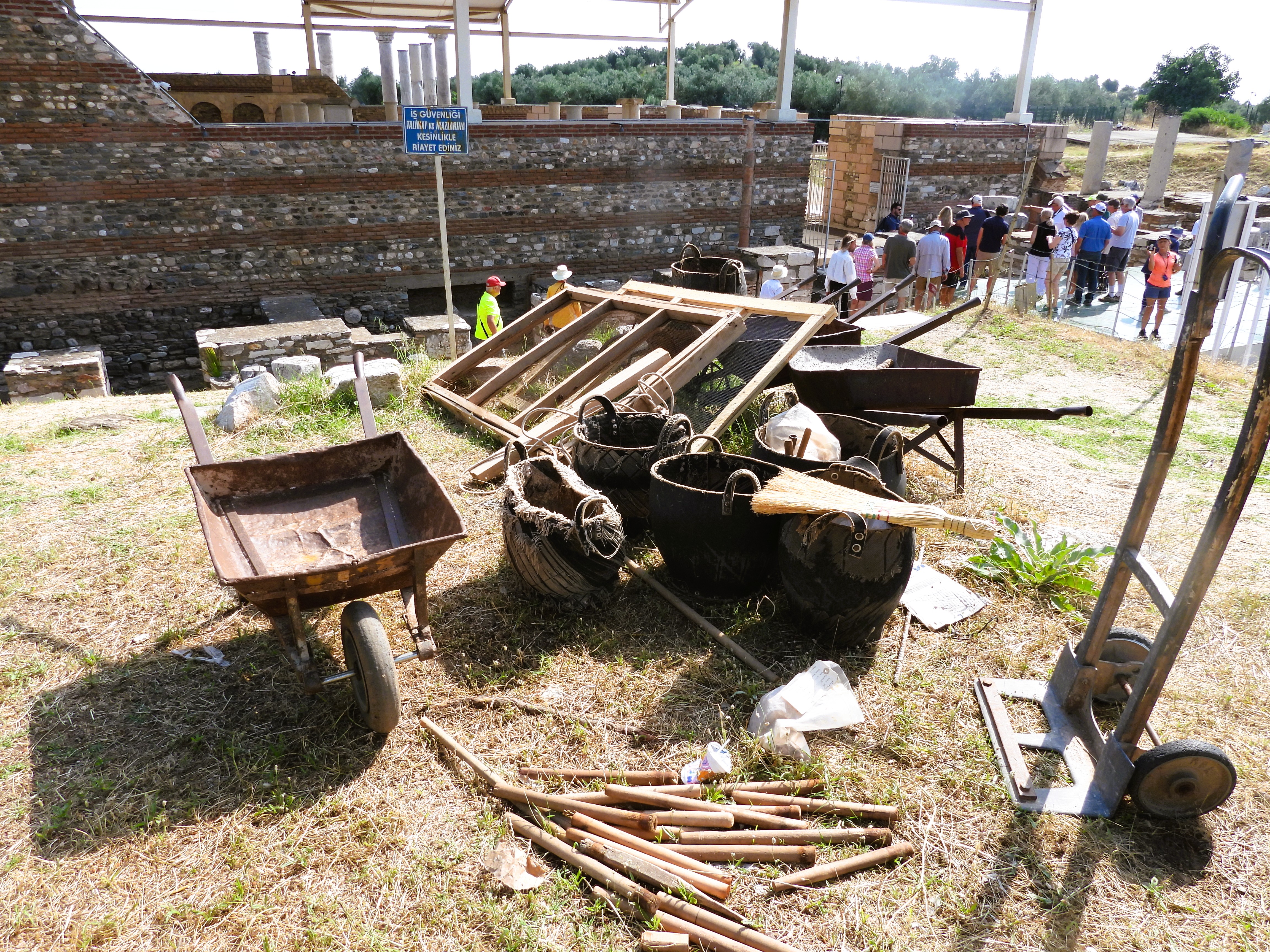
I had been anticipating our time in Sardis, expecting to meet University of Wisconsin professor Nick Cahill there. Unfortunately we got our signals crossed and the archaeologists were on a field trip elsewhere, leaving their equipment behind.
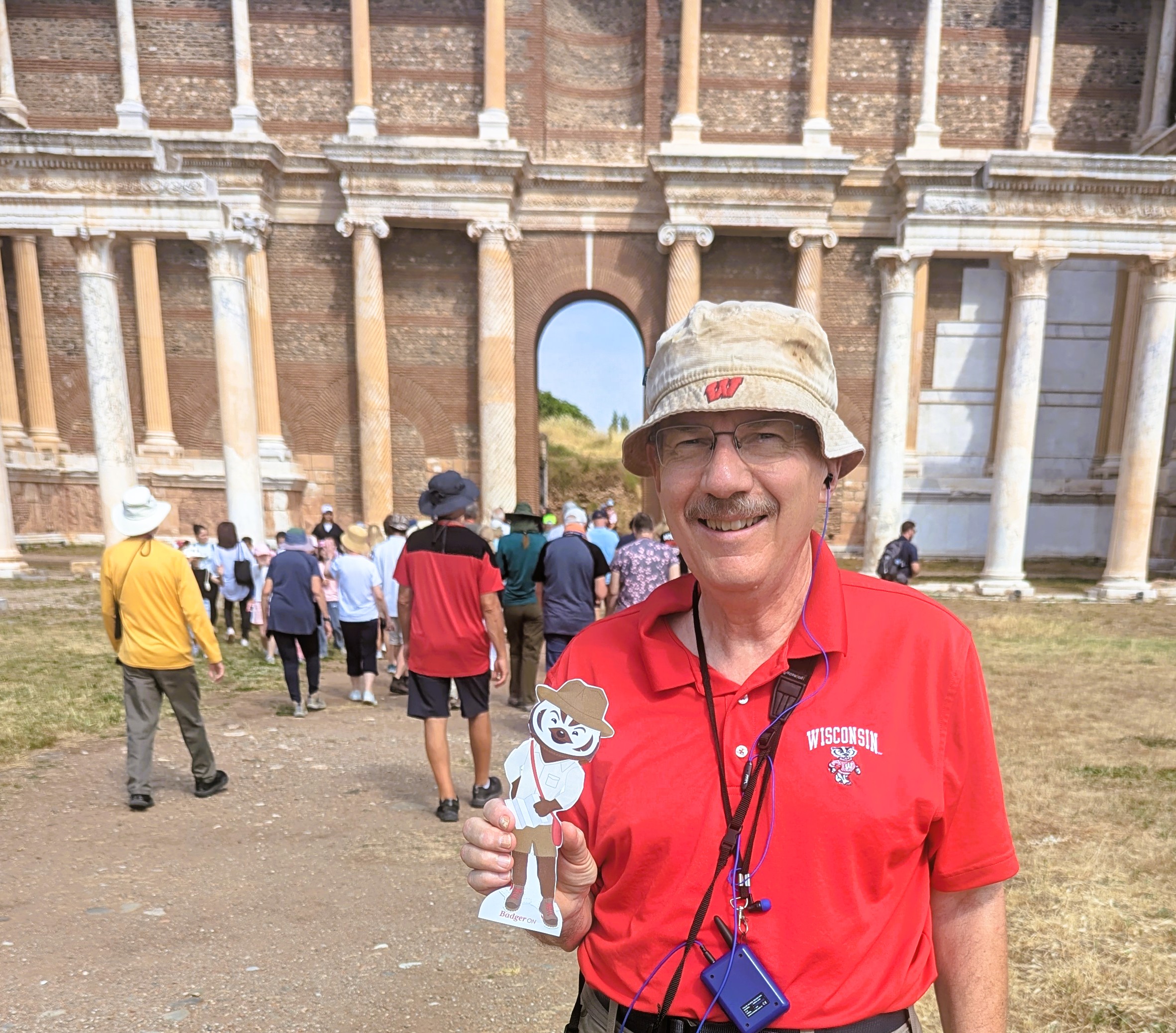
I had even brought Bucky Badger the archeologist along with me for the visit. The gymnasium (seen in the background here) and the synagogue were very impressive.
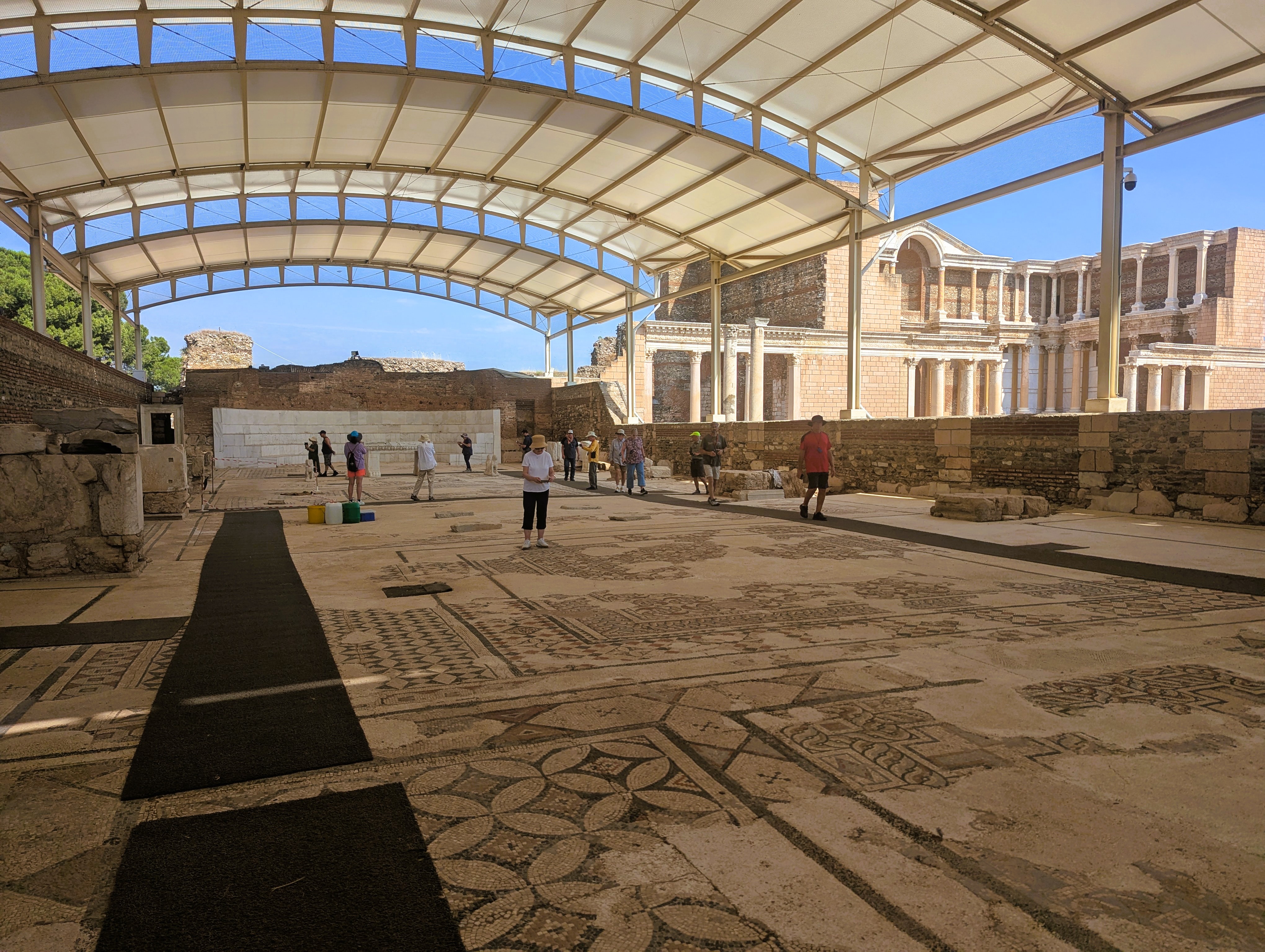
This is a large synagogue, one of the largest known from antiquity.
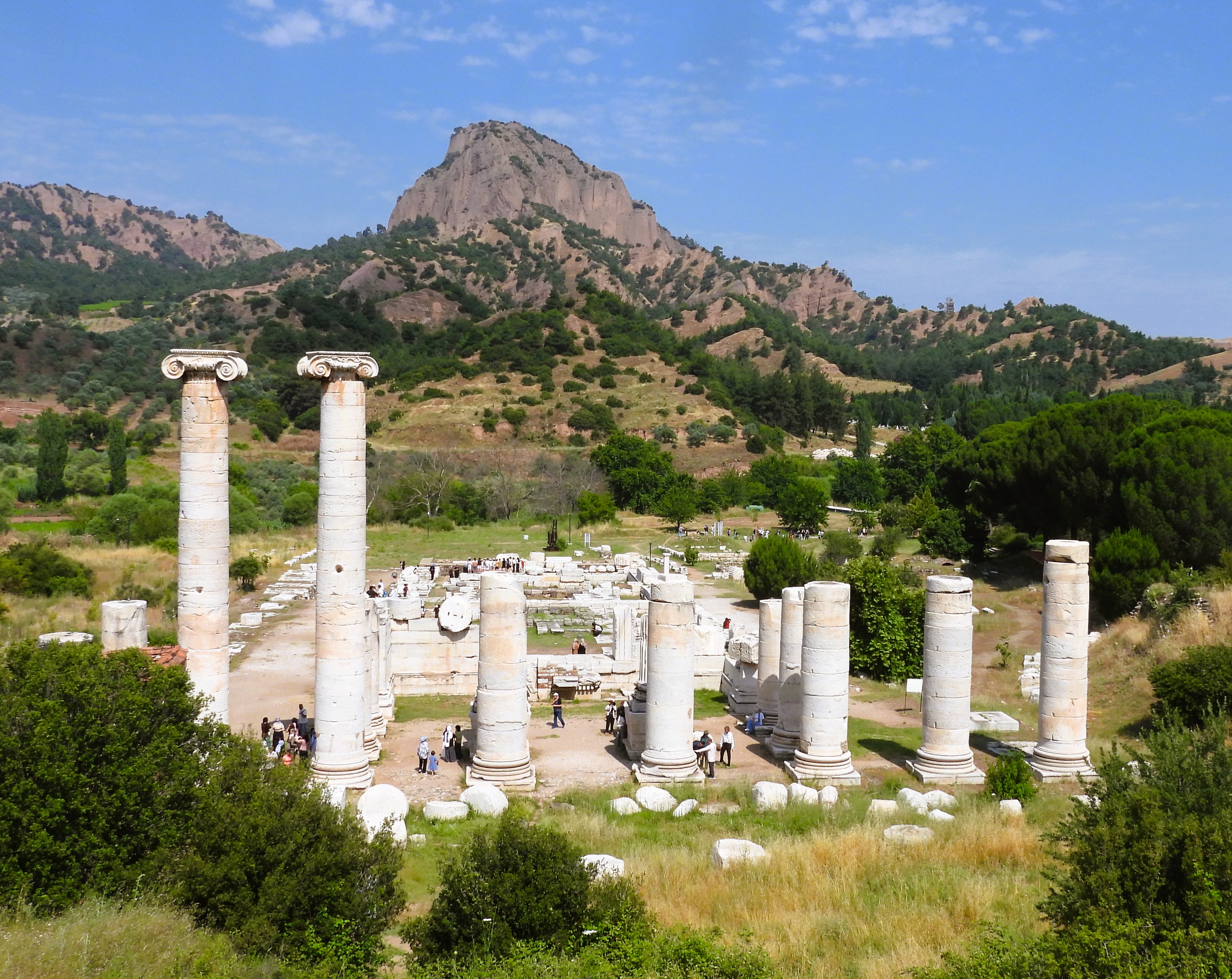
The Temple of Artemis, not quite as large as the one at Ephesus but still impressive.
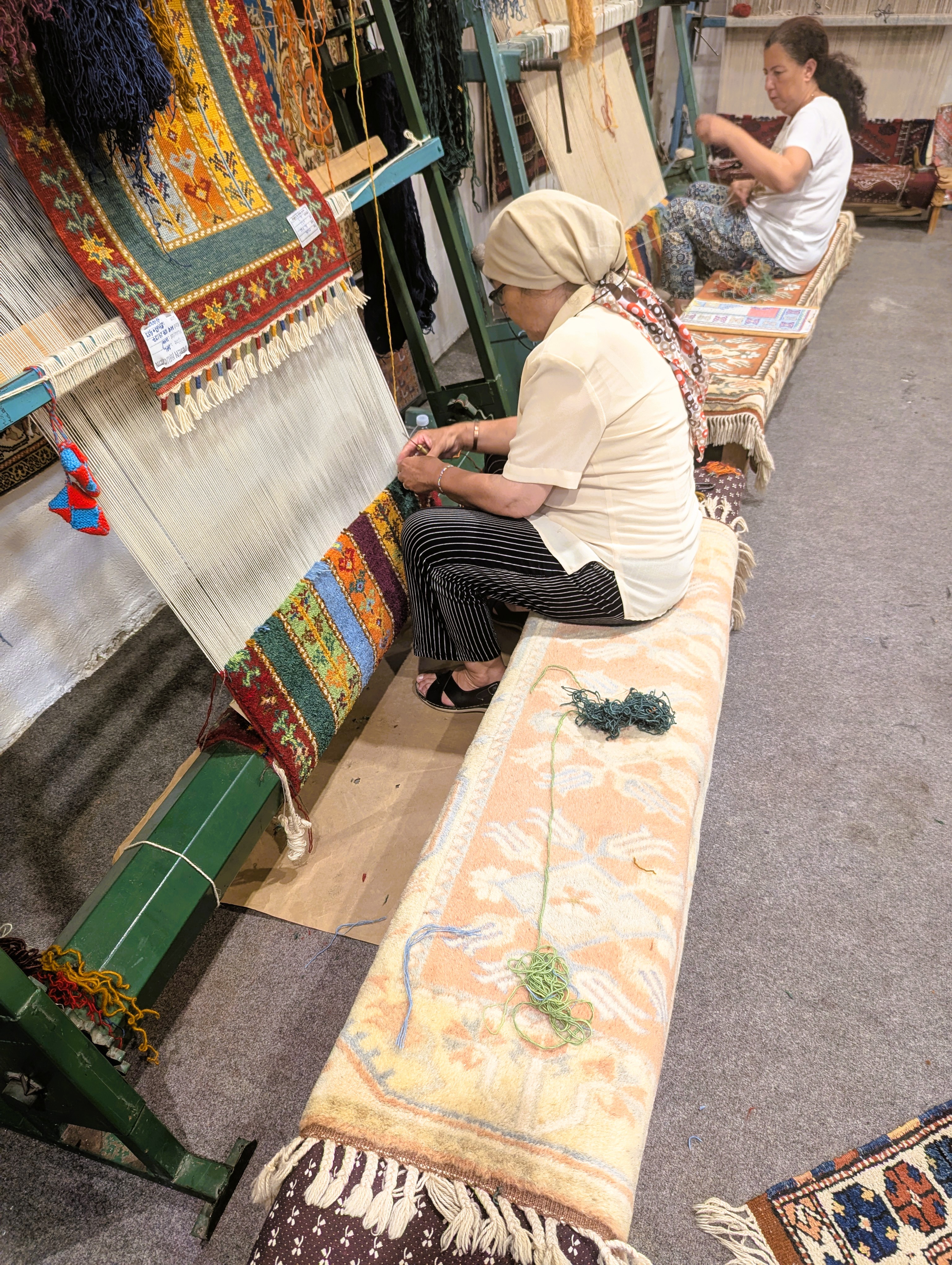
On the way to Pergamum, a stop at a rug merchant.
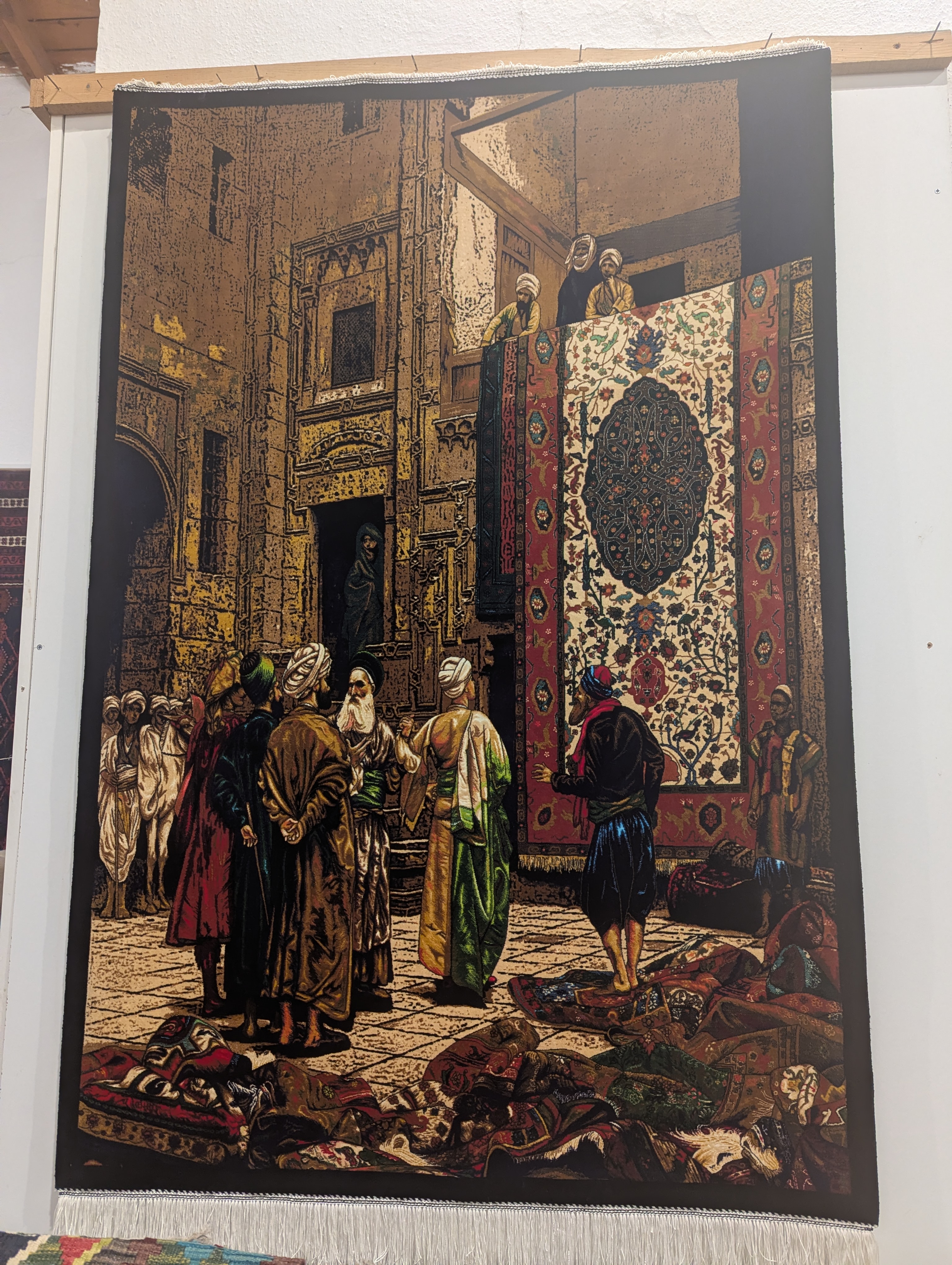
The prices were not too bad. This one, which I admired, was 190,000 Turkish Lira. That’s about $1370. But I didn’t have permission to buy any large souvenirs.
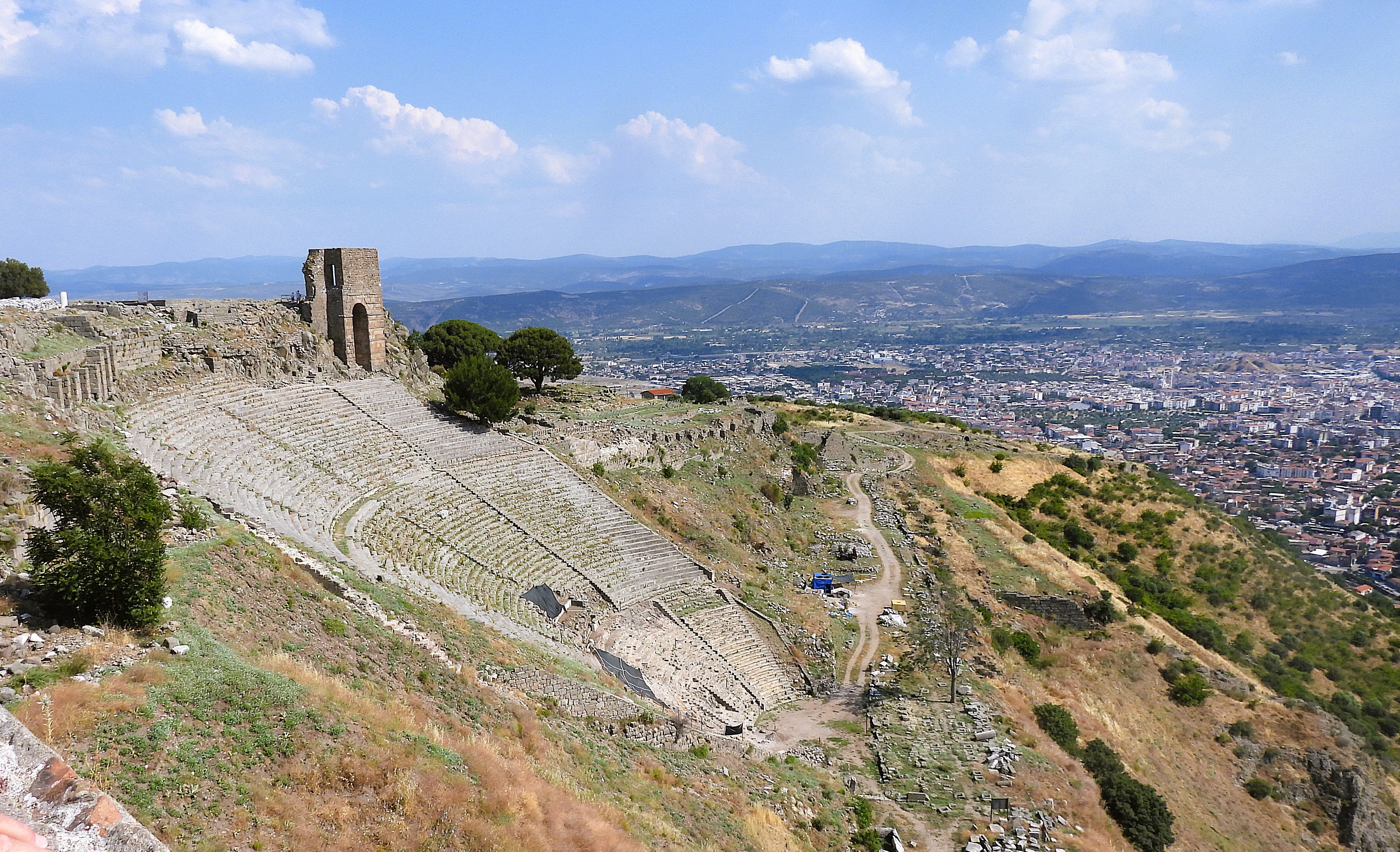
Last stop of the day, Pergamum, the home of the steepest Roman theater in antiquity.
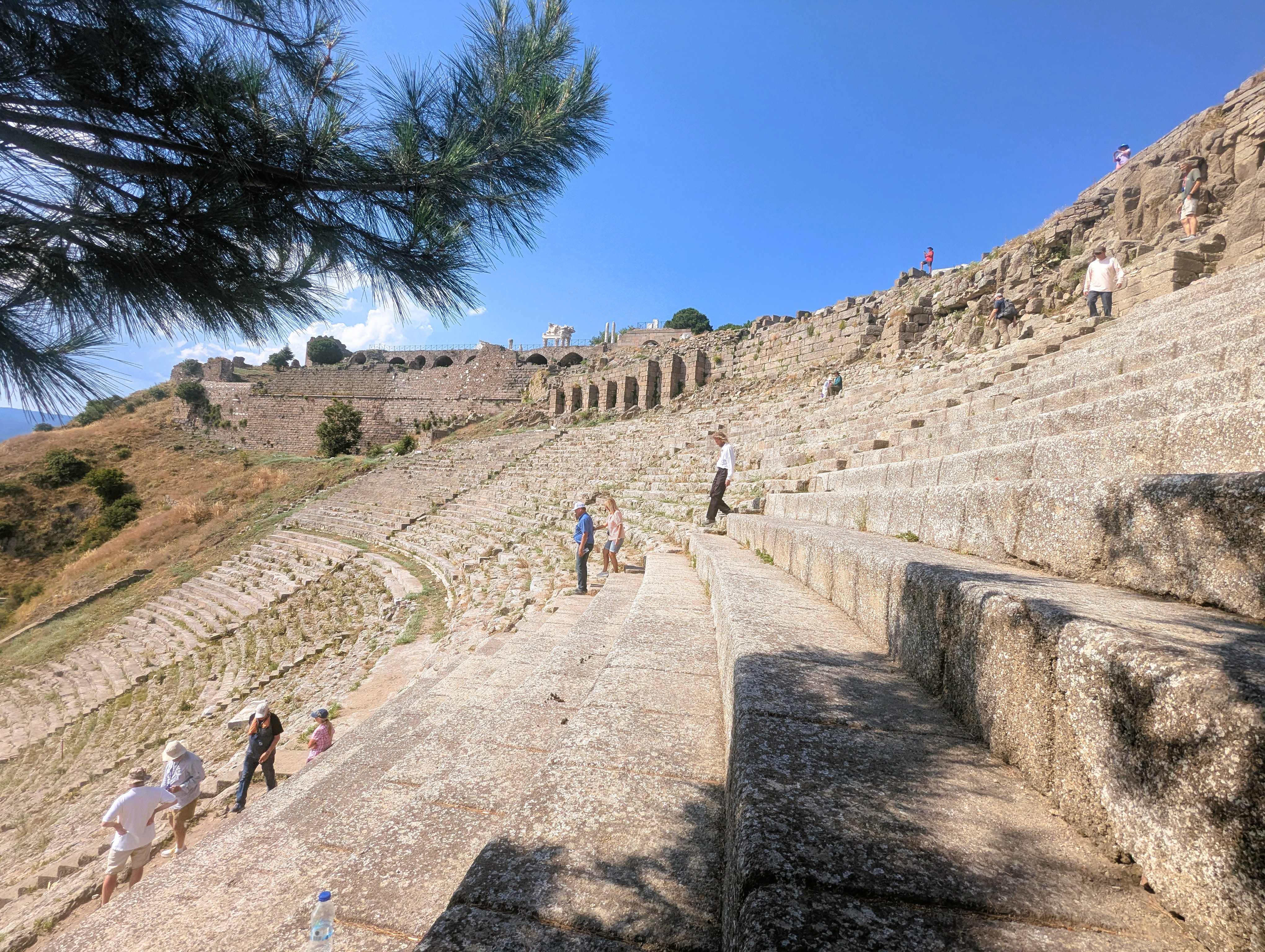
Eventually I found my seat.
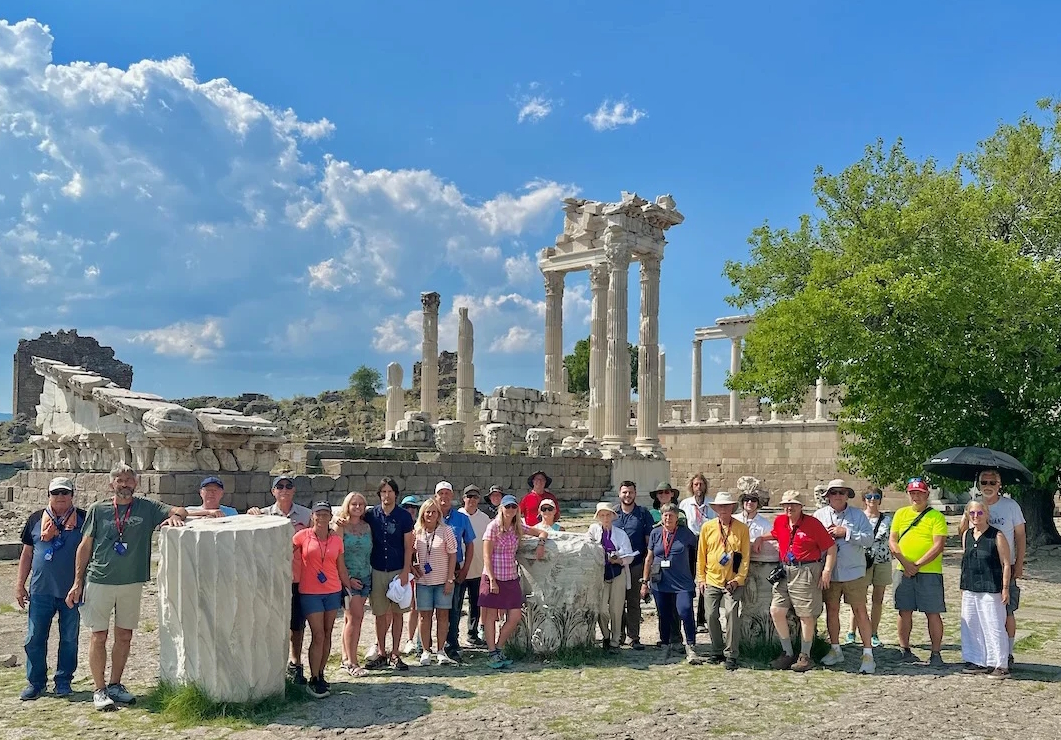
The ruins are impressive but the most impressive, the “throne of Satan,” (Rev. 2:13) was taken to the Berlin Museum by an earlier generation of archaeologists.
SMYRNA, MILETUS, EPHESUS
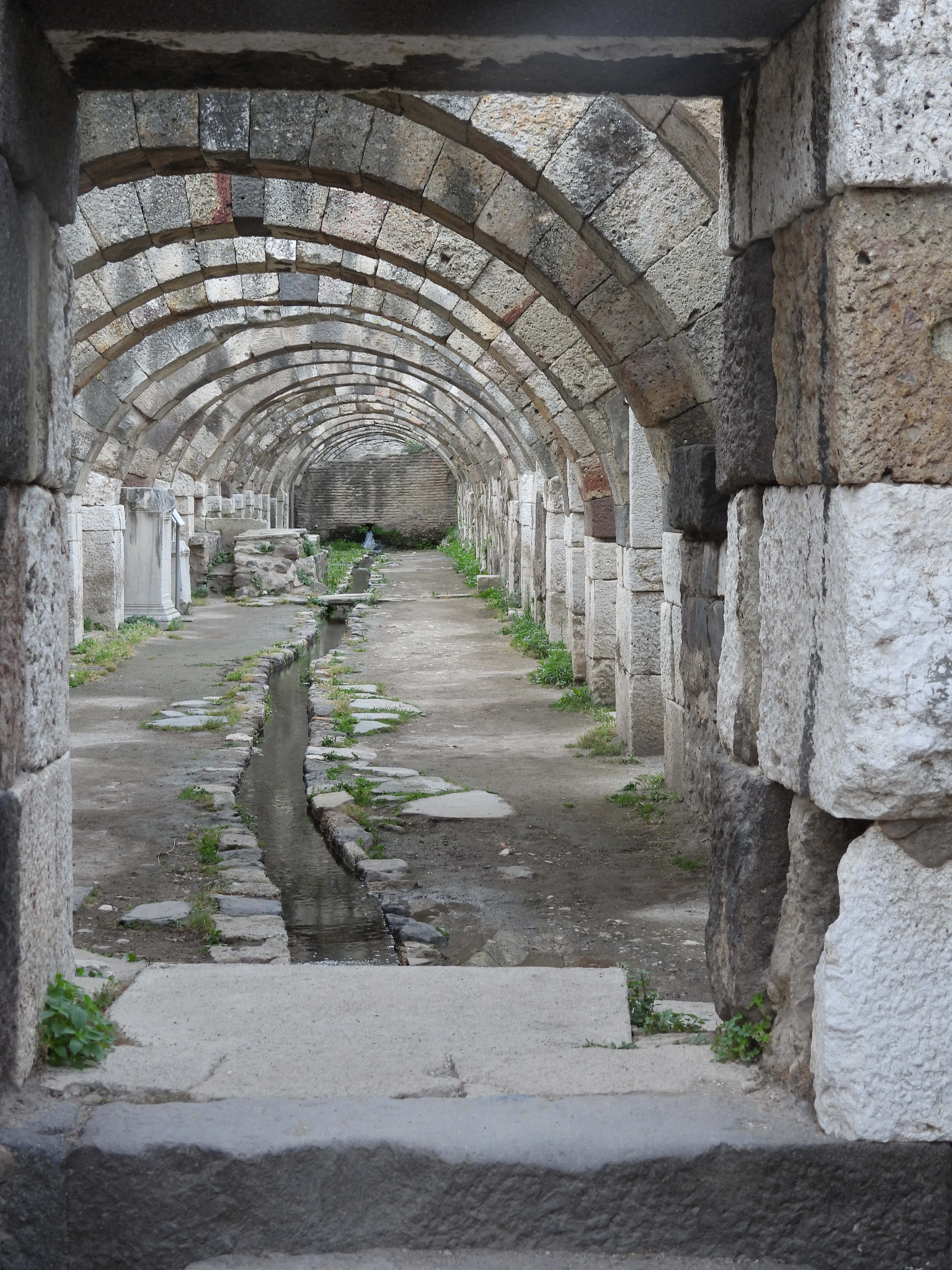
Ancient Smyrna is now the modern city of Izmir, once again a few ruins in the middle of a large modern city. We visited the ruins of a Byzantine church.
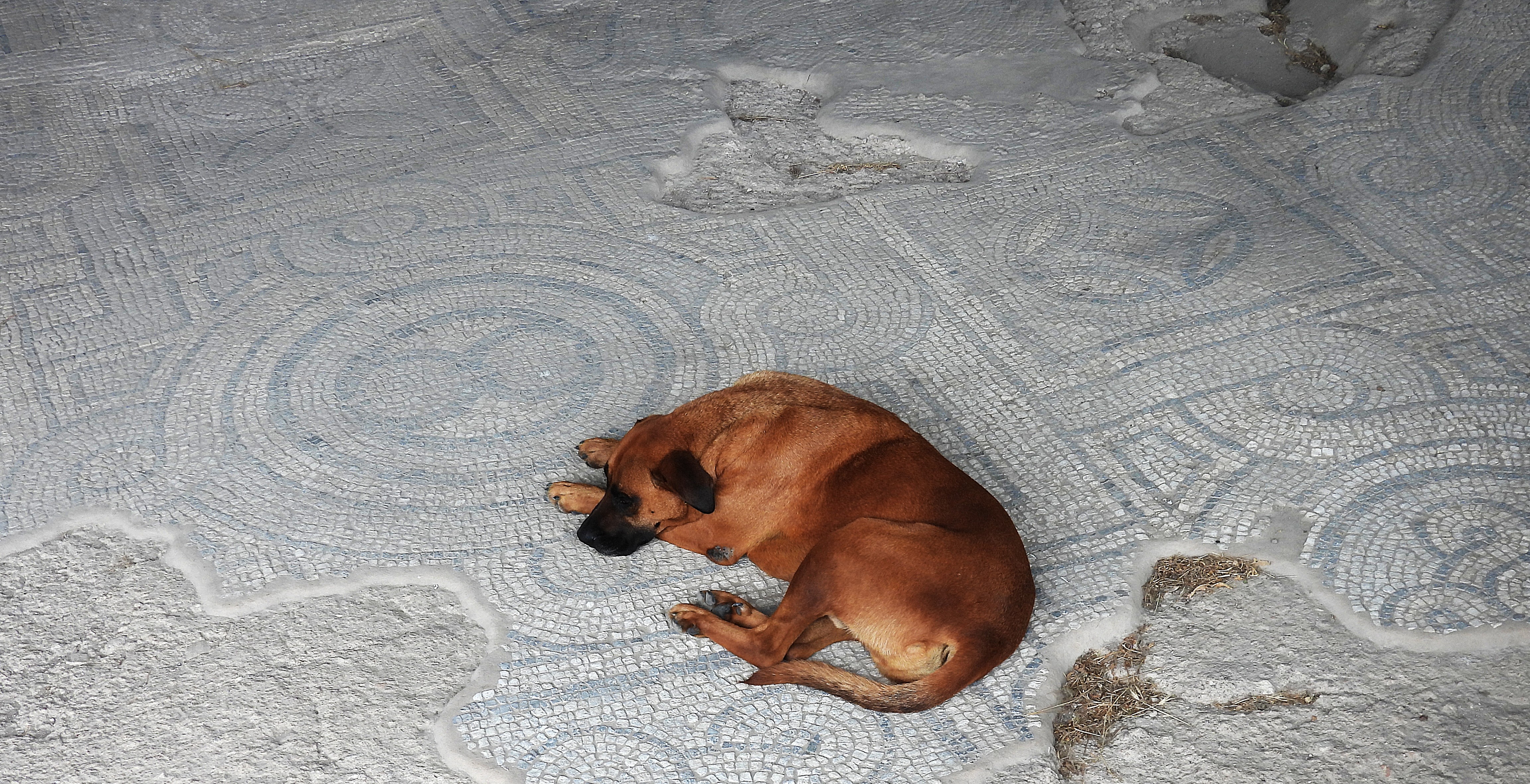
Mosaics were an art form that flourished in the Byzantine era.
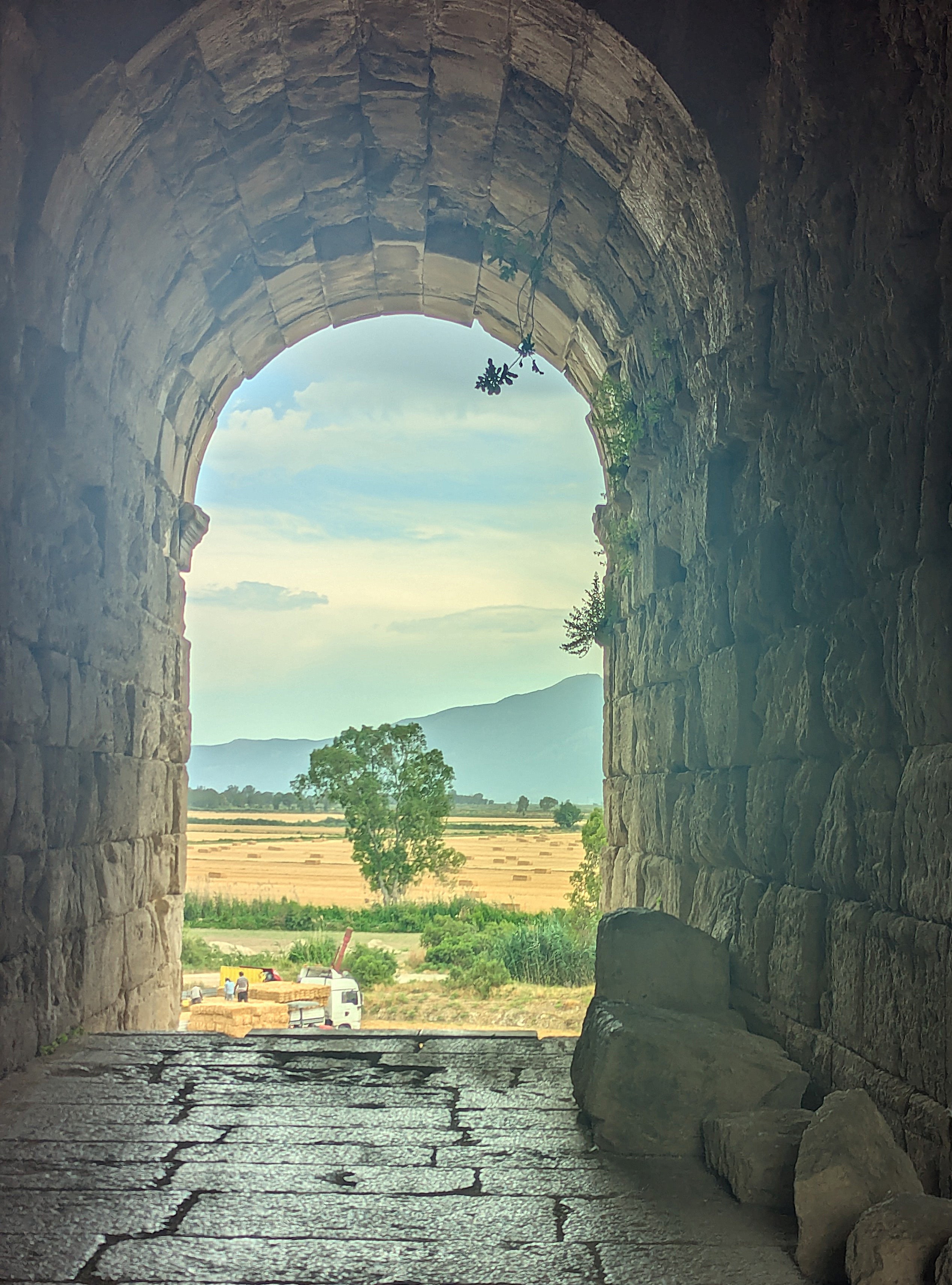
Our next stop was the ruins of Miletus. As Paul headed back to Jerusalem at the end of his third missionary journey, rather than stopping at Ephesus where he would have many social obligations from his three years living there, he summoned the church elders to nearby Miletus (Acts 20: 16-38). There he admonished them to be on guard and to remain faithful. They knelt and prayed together on the beach before their emotional farewells. We visited on a cloudy rainy day, offering unique lighting from inside one of the portals of the theater at Miletus.
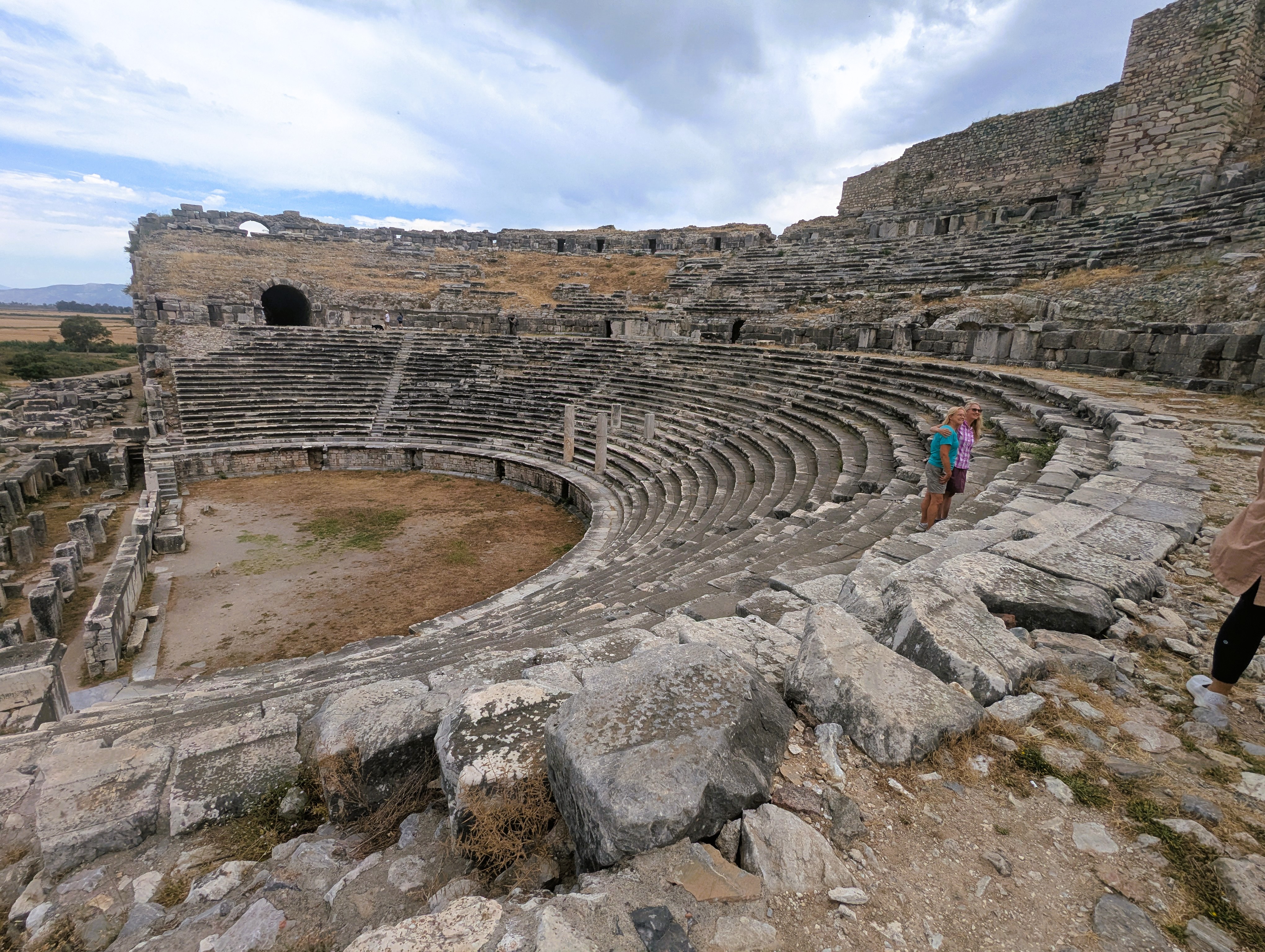
The well preserved theater at Miletus.
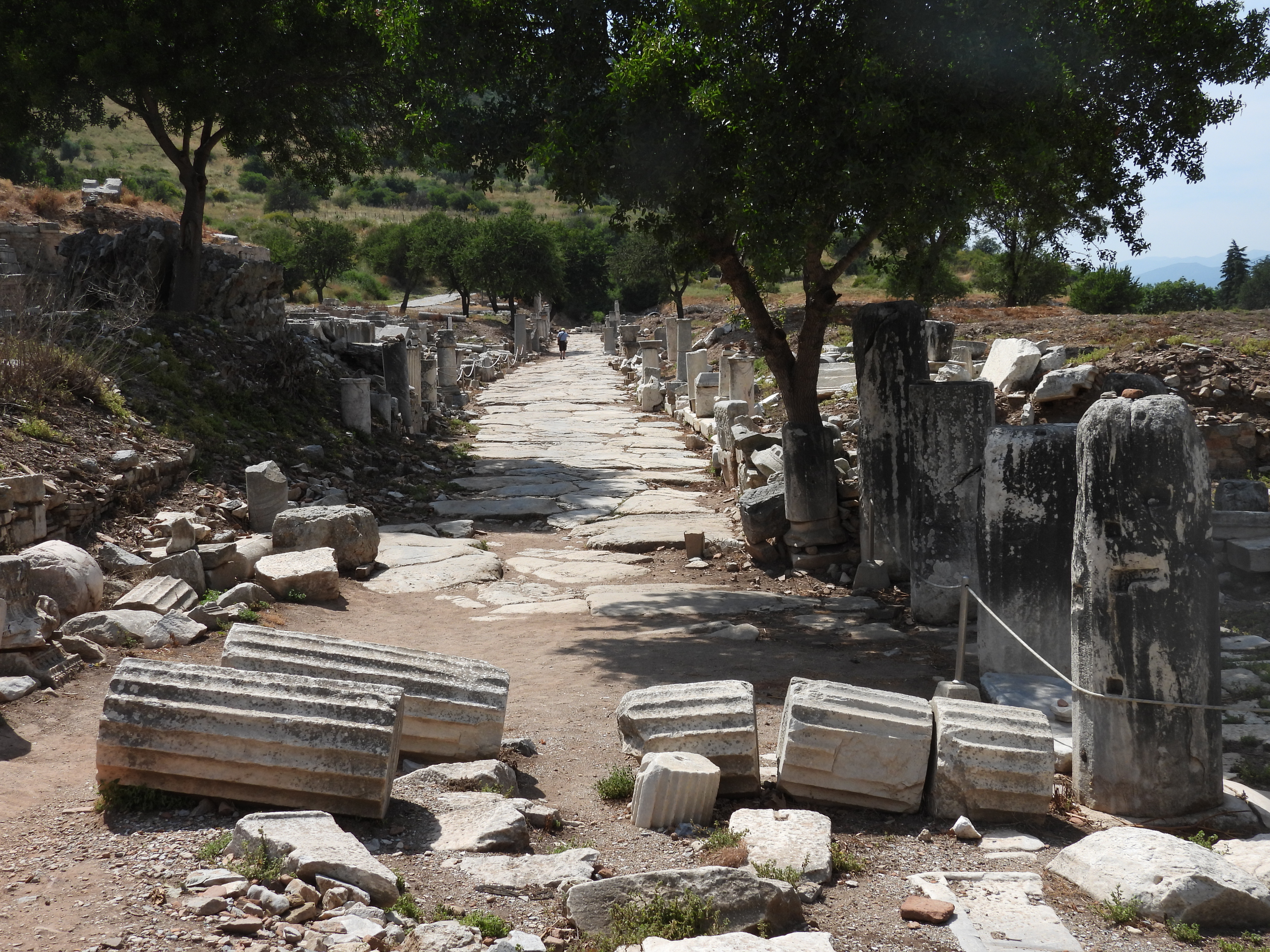
Our final stop, following the footsteps of the Apostle Paul on the streets of Ephesus.
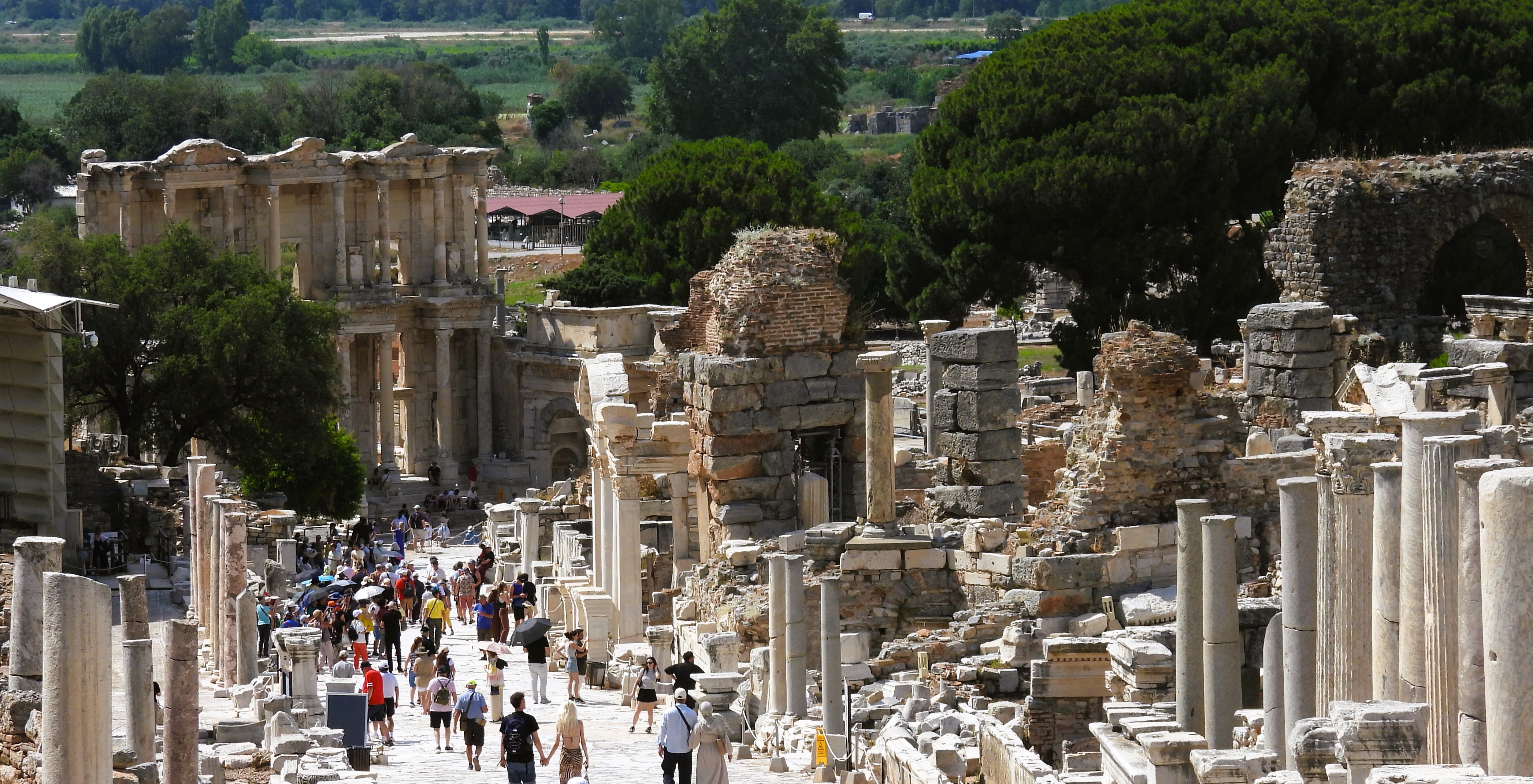
Walking towards the library of Celsus.
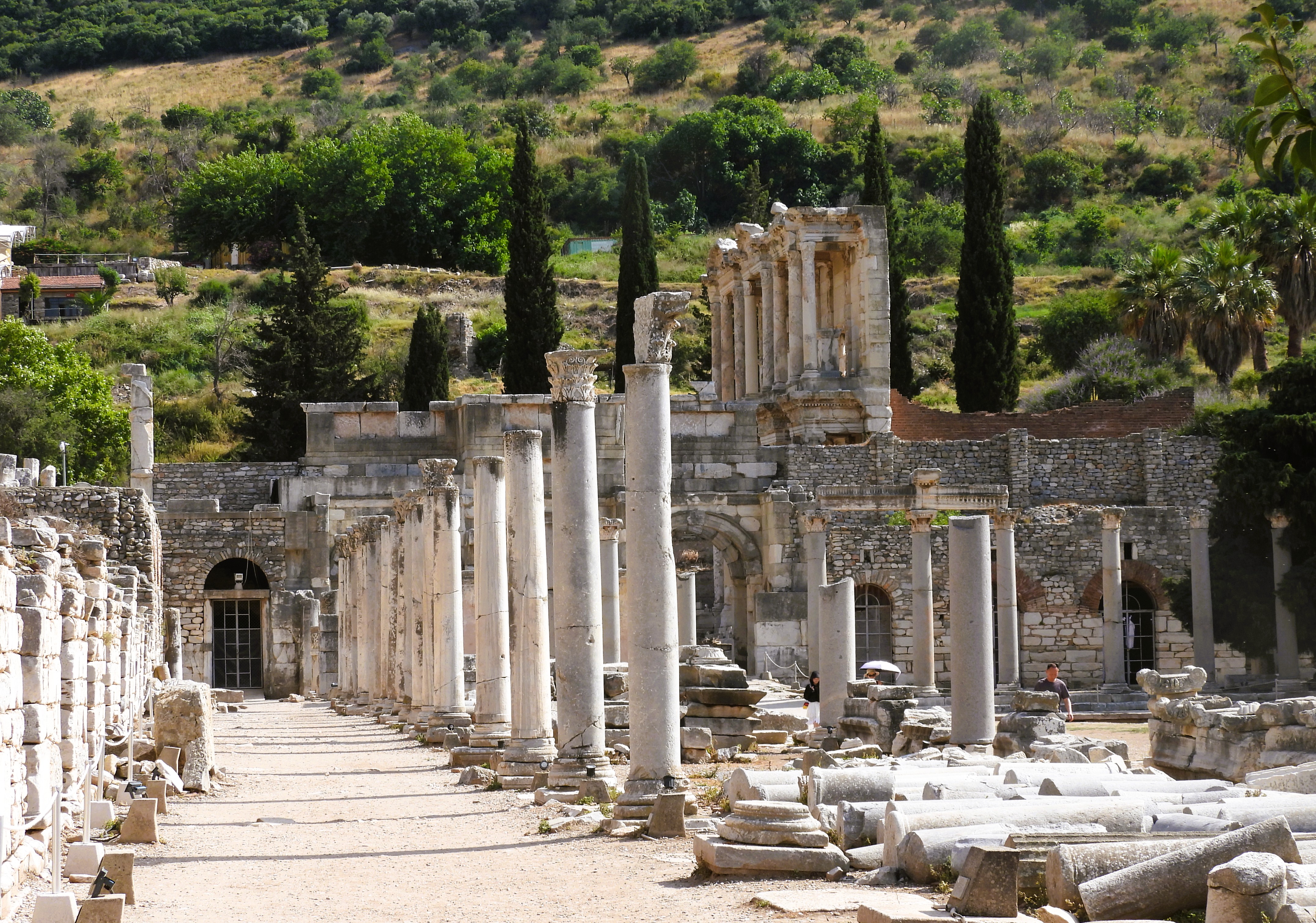
Paul was probably familiar with the agora (marketplace) of Ephesus. The library of Celsus (facade seen in the rear) was not built until the second century.
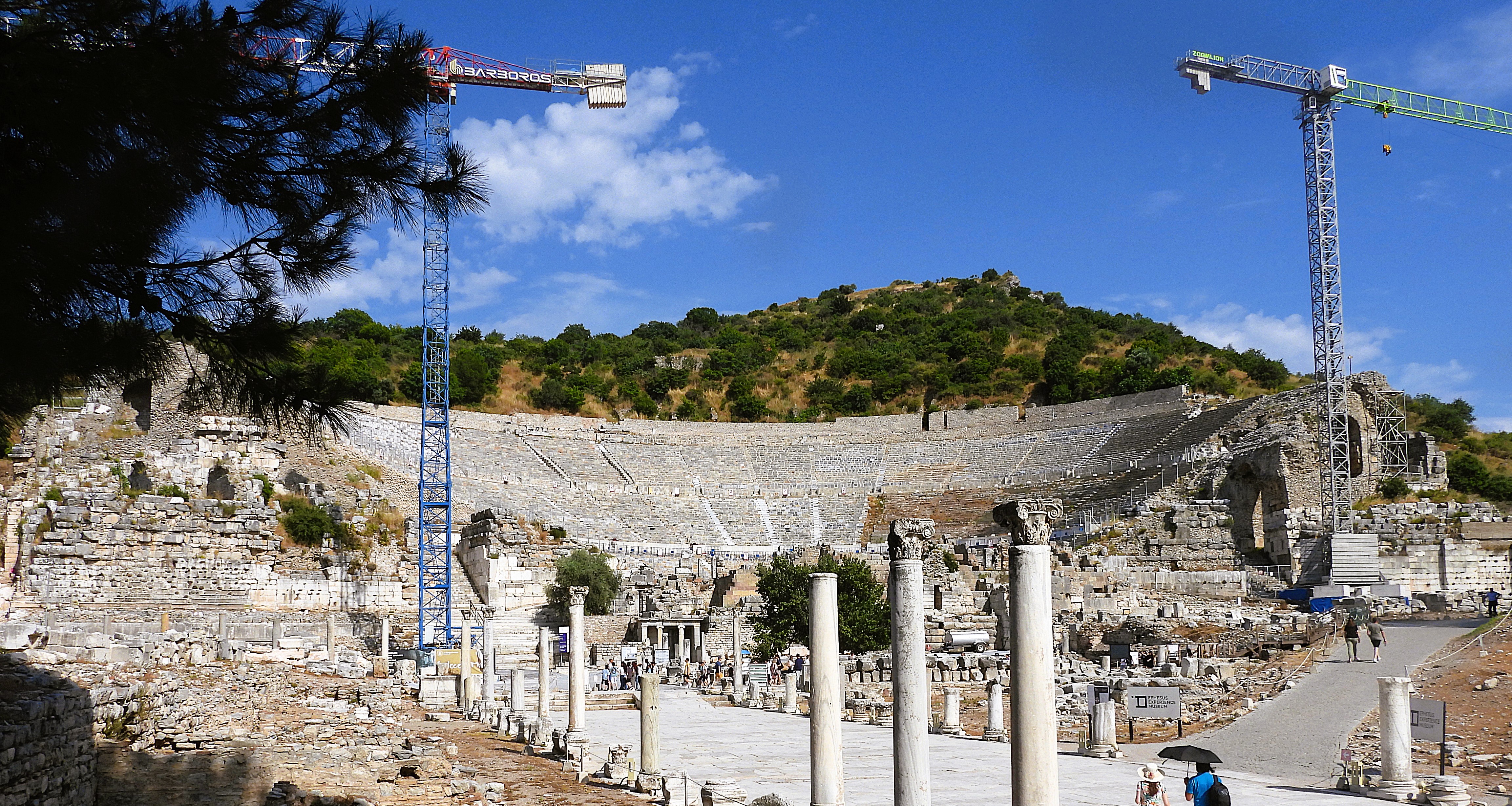
The theater at Ephesus was under repair so we could only view from a distance.
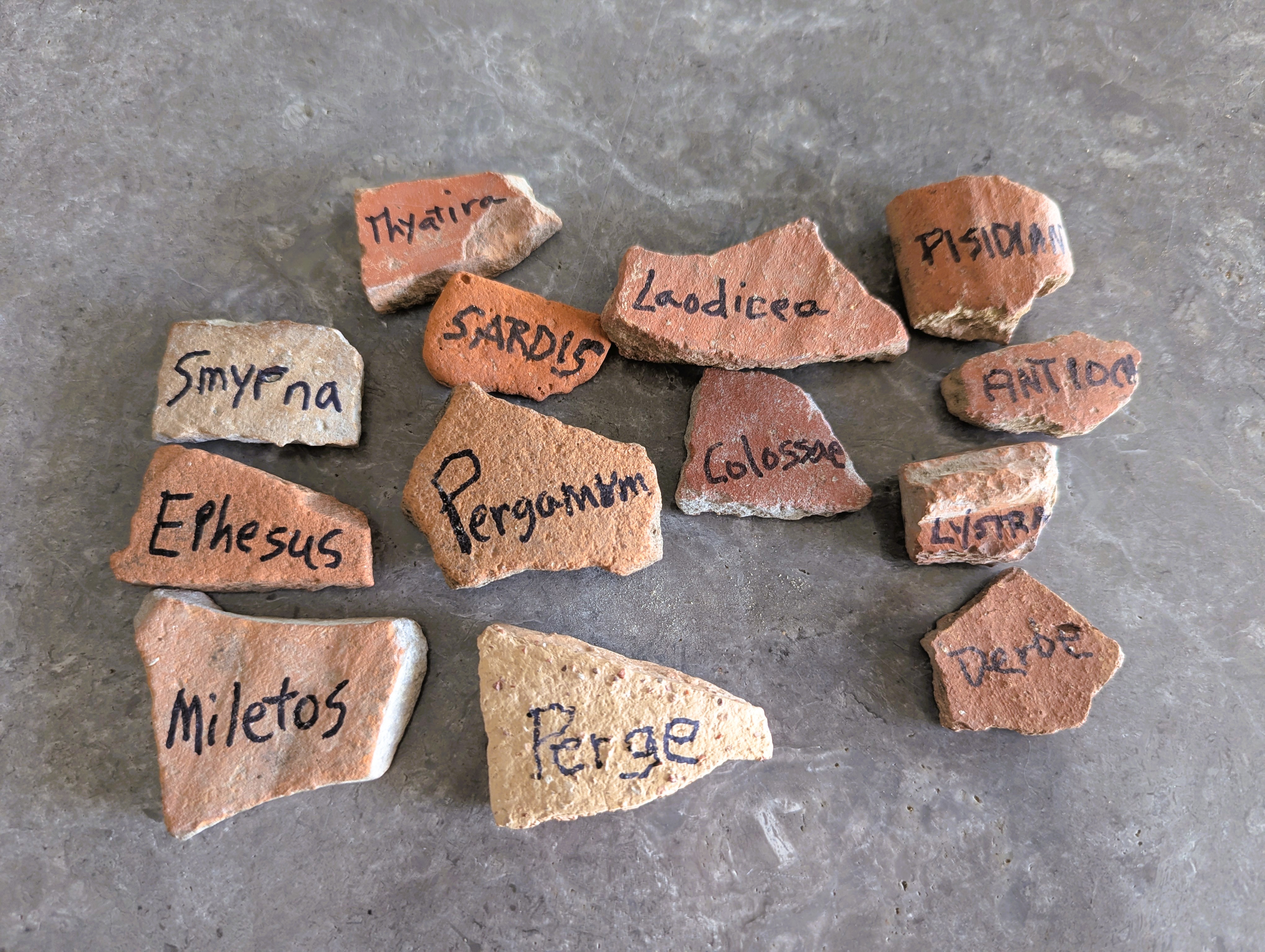
From Antioch to Ephesus, a 2300 mile journey. At most of the sites, I picked up a small piece of ancient pottery and wrote the city’s identity, creating ostraca, the way the ancients kept notes. A memorable journey.

