Another full day of unraveling the secrets of Jerusalem.
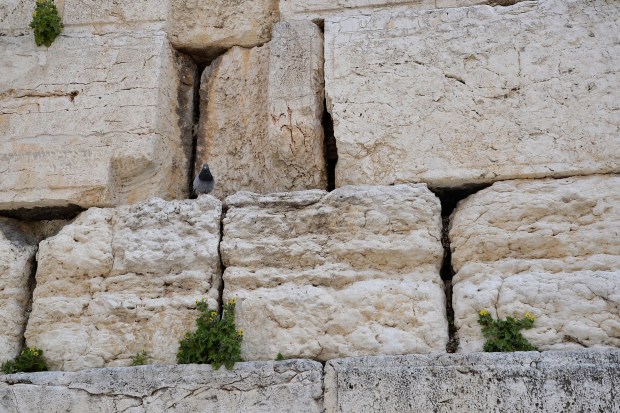
We started at the Western Wall of the Temple Mount.
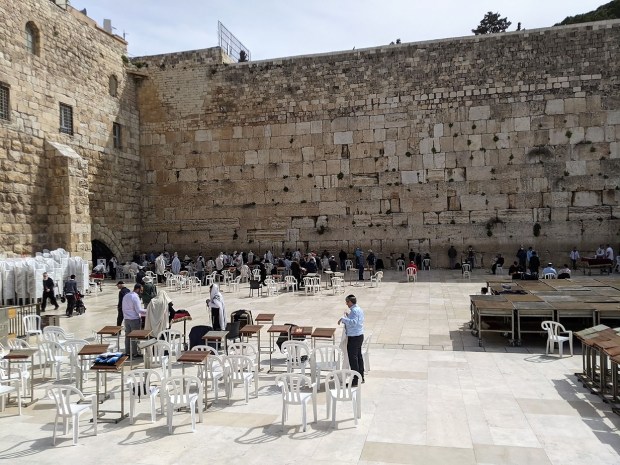
The Western Wall is the holiest site in Judaism today, and is usually busy with worshipers and people praying.
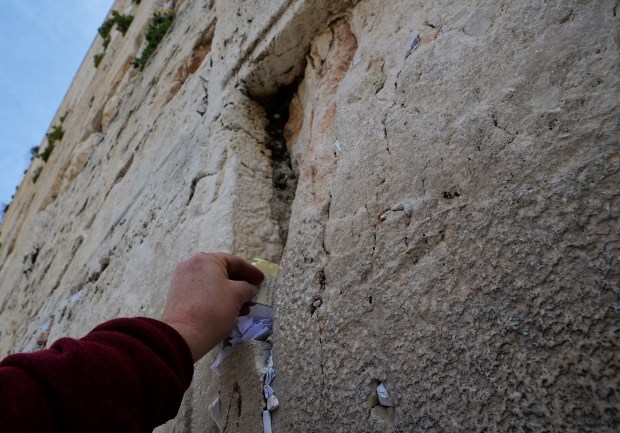
The Western Wall is a sanctified place for prayer. I left my prayers among the many there.
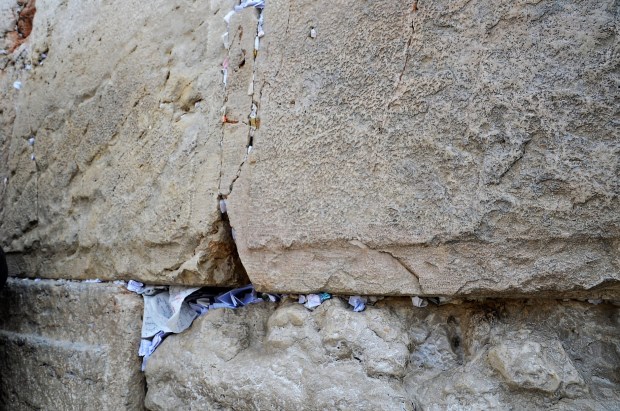
There are many prayers left there.
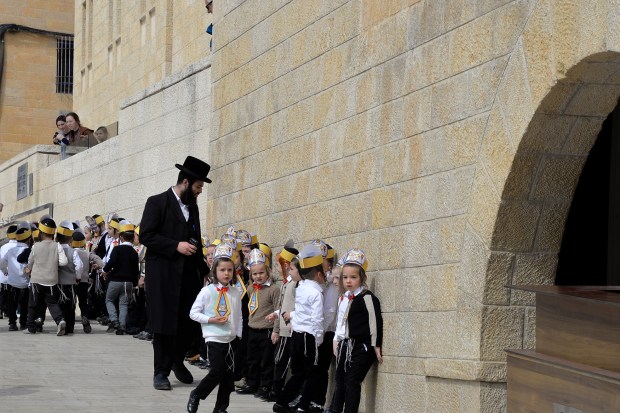
Not sure what was going on here, but it was a big day for these kids, and their moms.
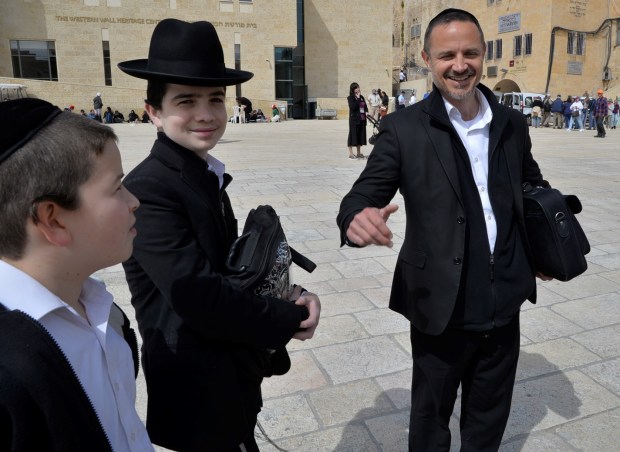
One of the people we met was an American journalist from Boston who had moved his family to Israel just a few years ago, because he felt that the mainstream media were not covering what was really happening in Israel. In case you want to check it out, his website is: https://www.tribejournal.org/.
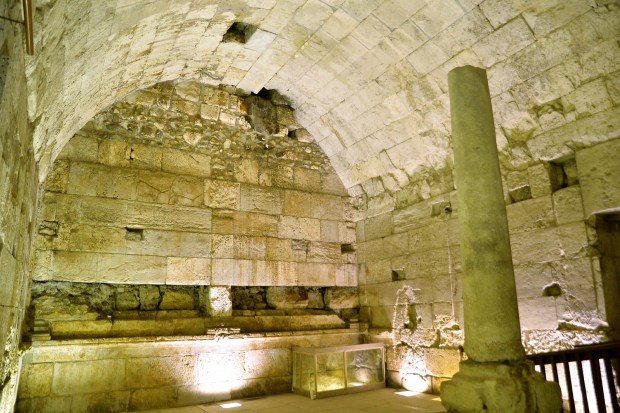
Next to the Western Wall is an area of underground excavations, underground today but ground level 2000 years ago. This recently excavated room was a banqueting room where archaeologists suggest the elite of Jesus’ time (priests and sanhedrin) may have celebrated the Passover. They also say it was heavily damaged by an earthquake around 33 AD.
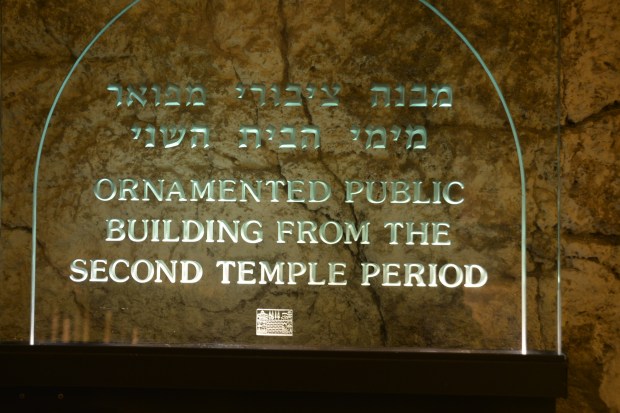
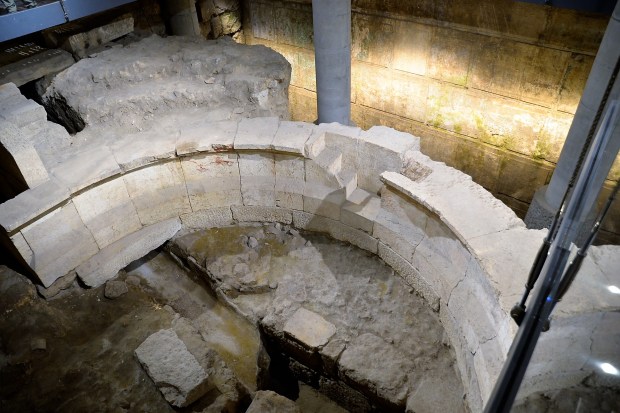
Also excavated, a small council chambers, where perhaps government decisions were made, sometimes called a bouleuterion.
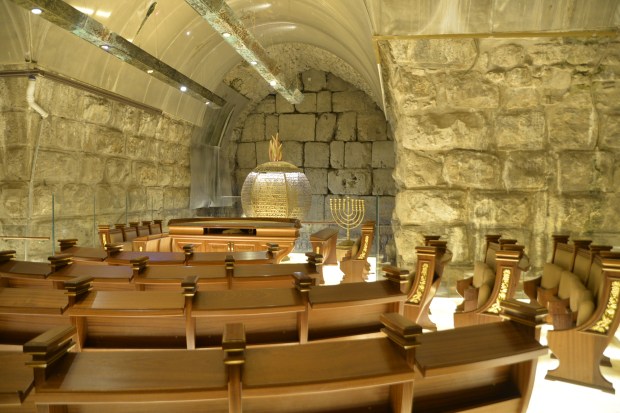
Also nearby, in the same area, a small synagogue has been recreated.
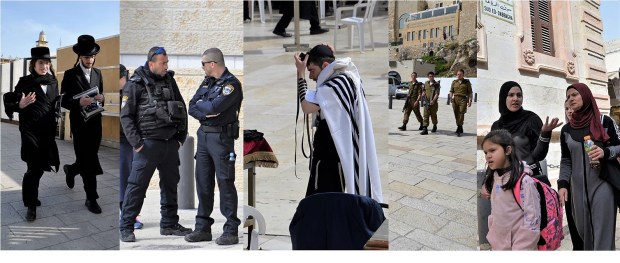
Some of the people of Jerusalem.
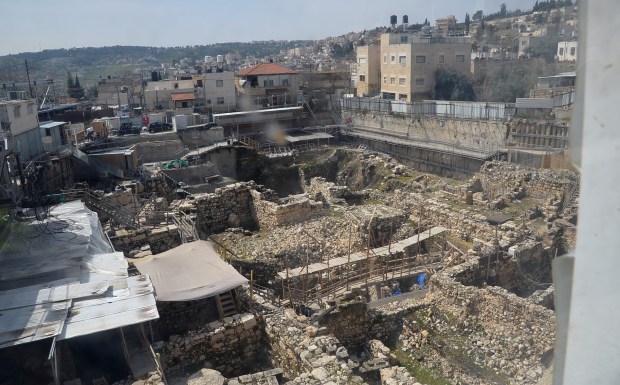
We left the Old City through the Dung Gate and passed the Givati Parking Lot excavation, one of the most important digs in Jerusalem that started about a decade and a half ago. Much has been learned from this ongoing work.
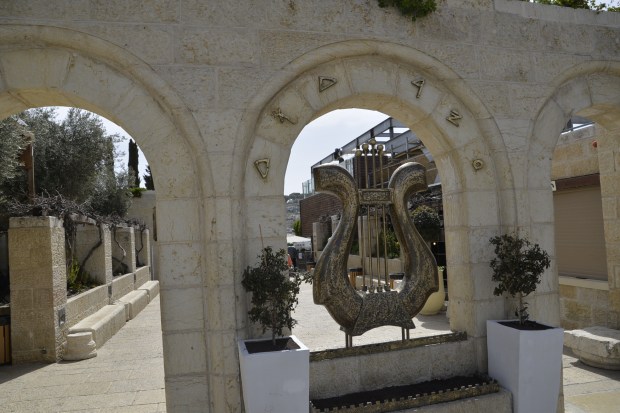
The City of David is the oldest area of Jerusalem, the area between the Temple Mount and the Pool of Siloam.
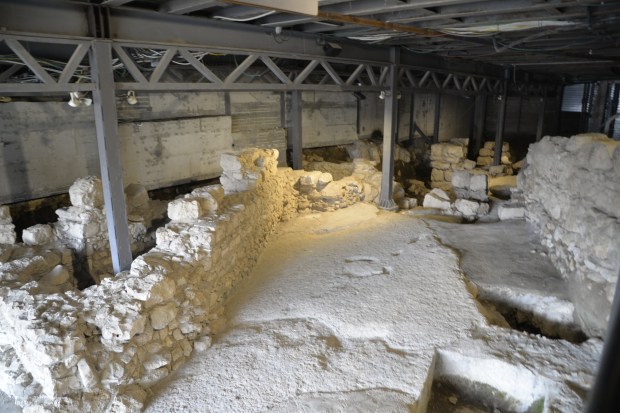
A lot of important excavations have taken place here. Archaeologist Eilat Mazar believed this was the remains of the palace of King David.
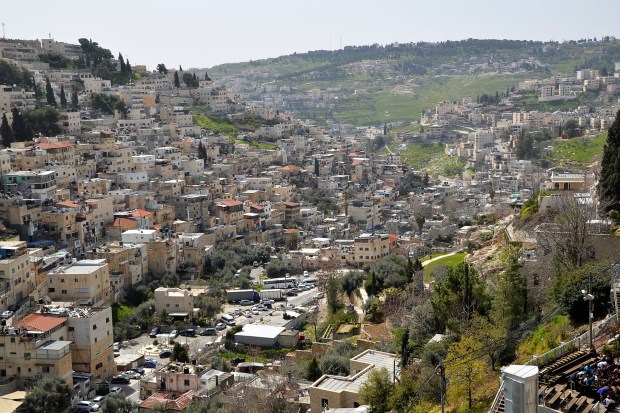
Across the Kidron Valley from the City of David (In Hebrew, Ir David) is the Arab community of Silwan.
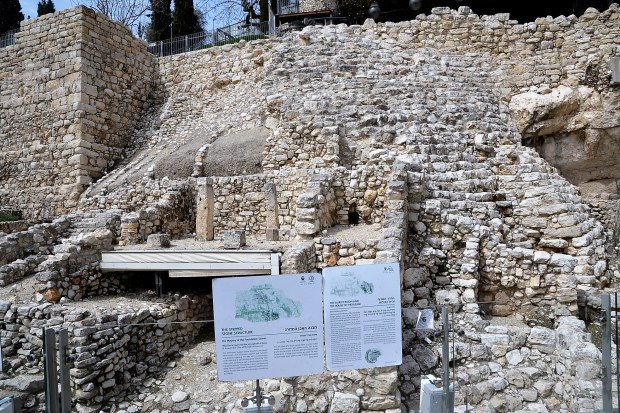
The Stepped Stone Structure, excavated decades ago, contains the remains of several houses, and is believed to be the Millo, mentioned in the Bible’s early history of Jerusalem.
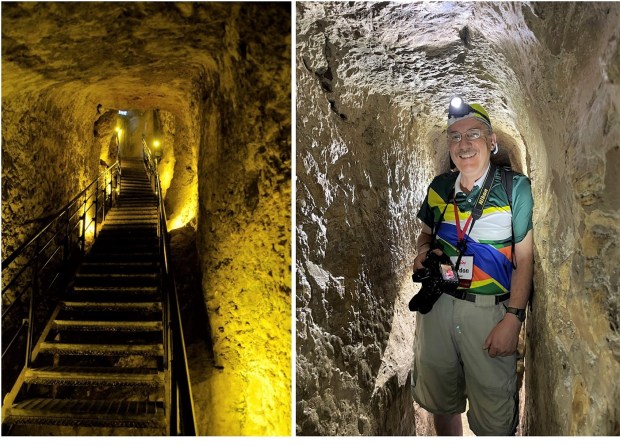
From the Stepped Stone Structure we descended underground past Warren’s Shaft to the Gihon Spring and into Hezekiah’s Tunnel (II Chronicles 32:20) said to be the world’s oldest public works project still in operation.

We waded all 1750 feet of it, from the Gihon Spring to the Pool of Siloam.
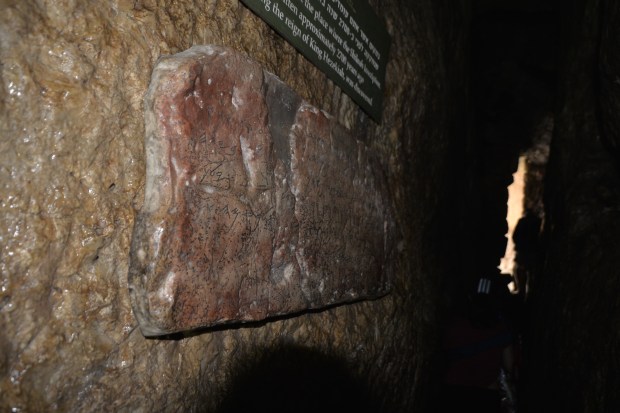
At the end is a replica of the ancient Hebrew inscription that describes the making of the tunnel. The original is in the Istanbul Museum.
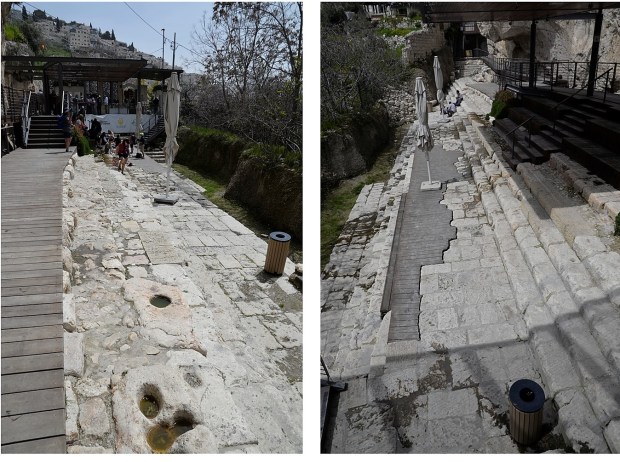
The Pool of Siloam (John 9), discovered and partially excavated in 2004.
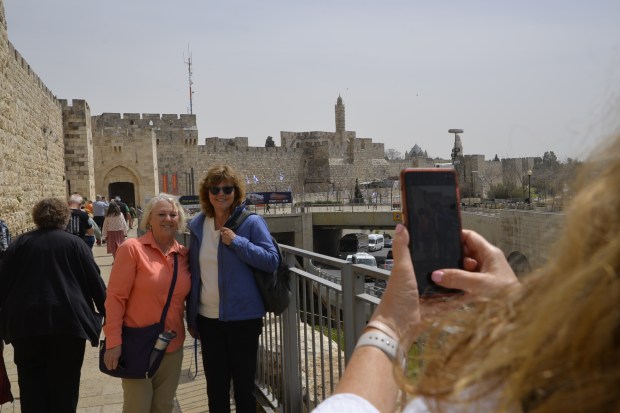
Then back to Jaffa Gate, for another walk through the Old City, this time from west to east.
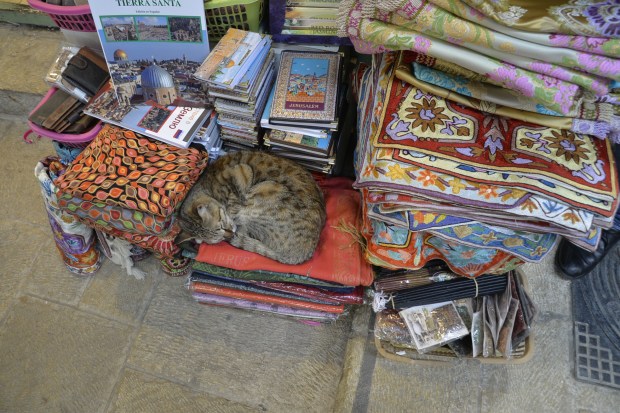
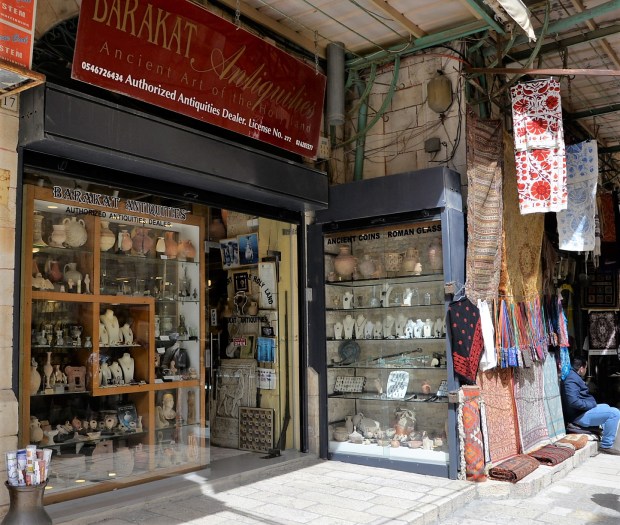
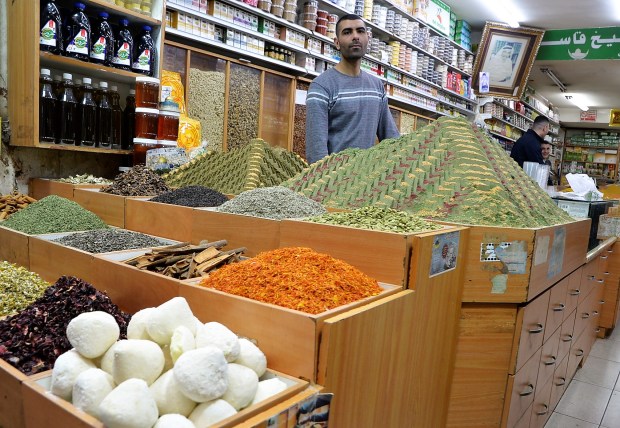


Out through the Damascus Gate
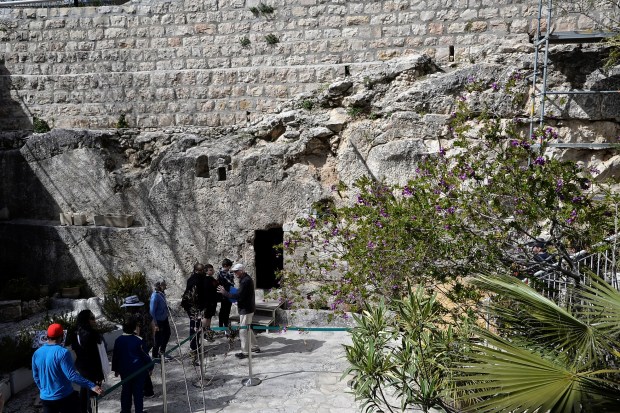
To our next destination, the Garden Tomb, a place of solemn quiet and reflection, but archaeologically shown not to be the Tomb of Joseph of Arimethea, where Jesus was buried.
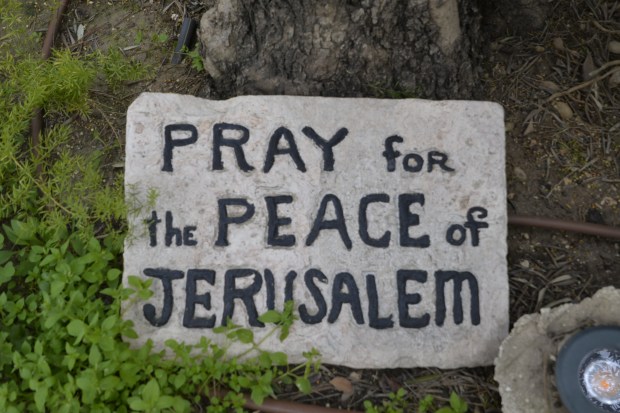
Pray for the Peace of Jerusalem
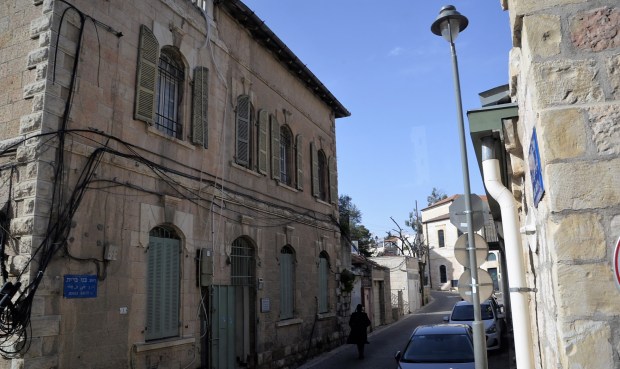
Then through some Jewish neighborhoods outside the Old City…

to the Israel Museum and the Shrine of the Book, where some of the Dead Sea Scrolls are on display.
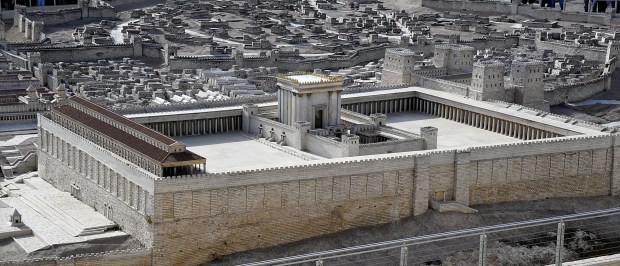
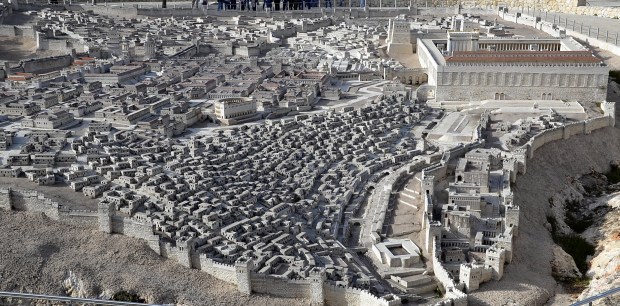
We saw the large scale model of first century Jerusalem, including the Temple Mount of Jesus’ time.
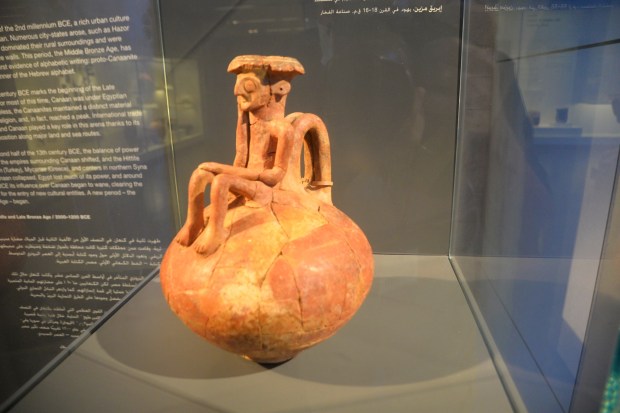
In the archaeological wing we saw some of the recent discoveries that have been featured on the cover of ARTIFAX, our biblical archaeology newsmagazine, such as this unique pot… (see it at http://www.radioscribe.com/artifax.htm)
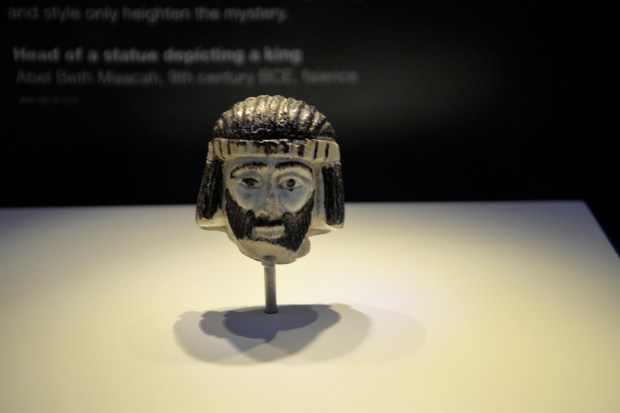
and this small head of a statue that may have depicted an ancient king such as Ahab, the husband of Jezebel.
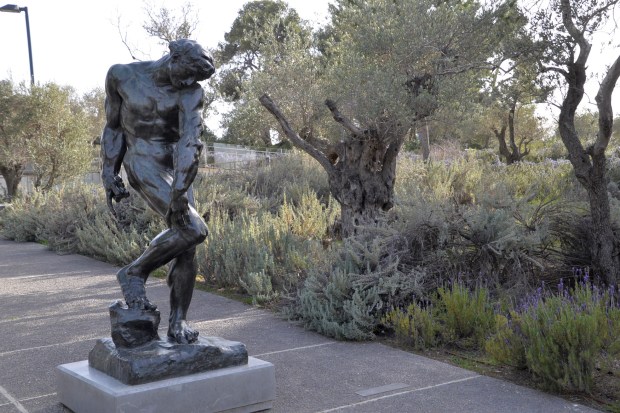
There’s lots more to see at the museum (this is Rodin’s statue of Adam) but our time in Jerusalem is almost at an end.
 RADIOSCRIBE
One comment