Amazing history defines the sites we saw along the western shore of the Sea of Galilee.
We started at the most visited site in Israel outside of Jerusalem.
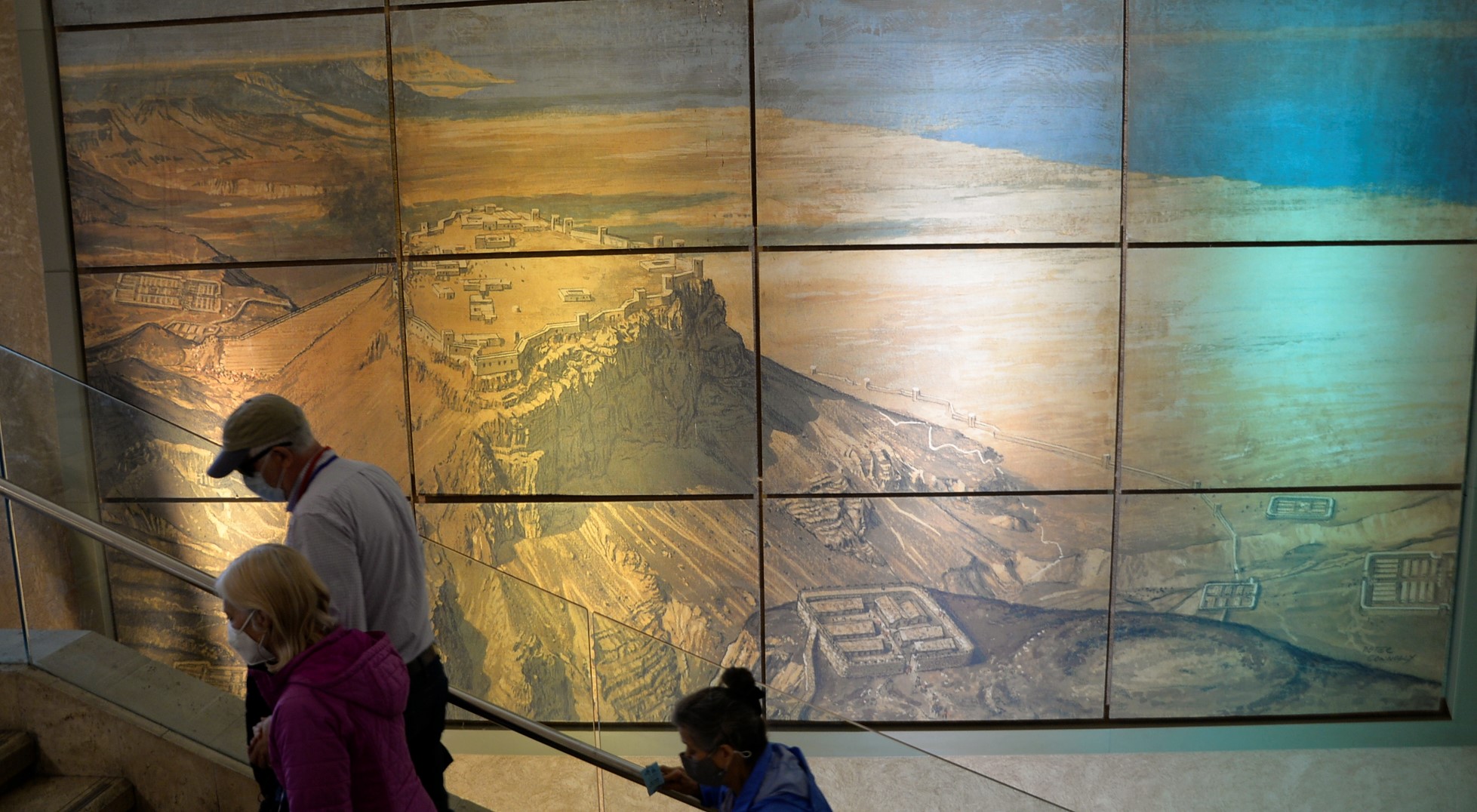
This fortress/palace was built by Herod the Great, overlooking the Dead Sea.
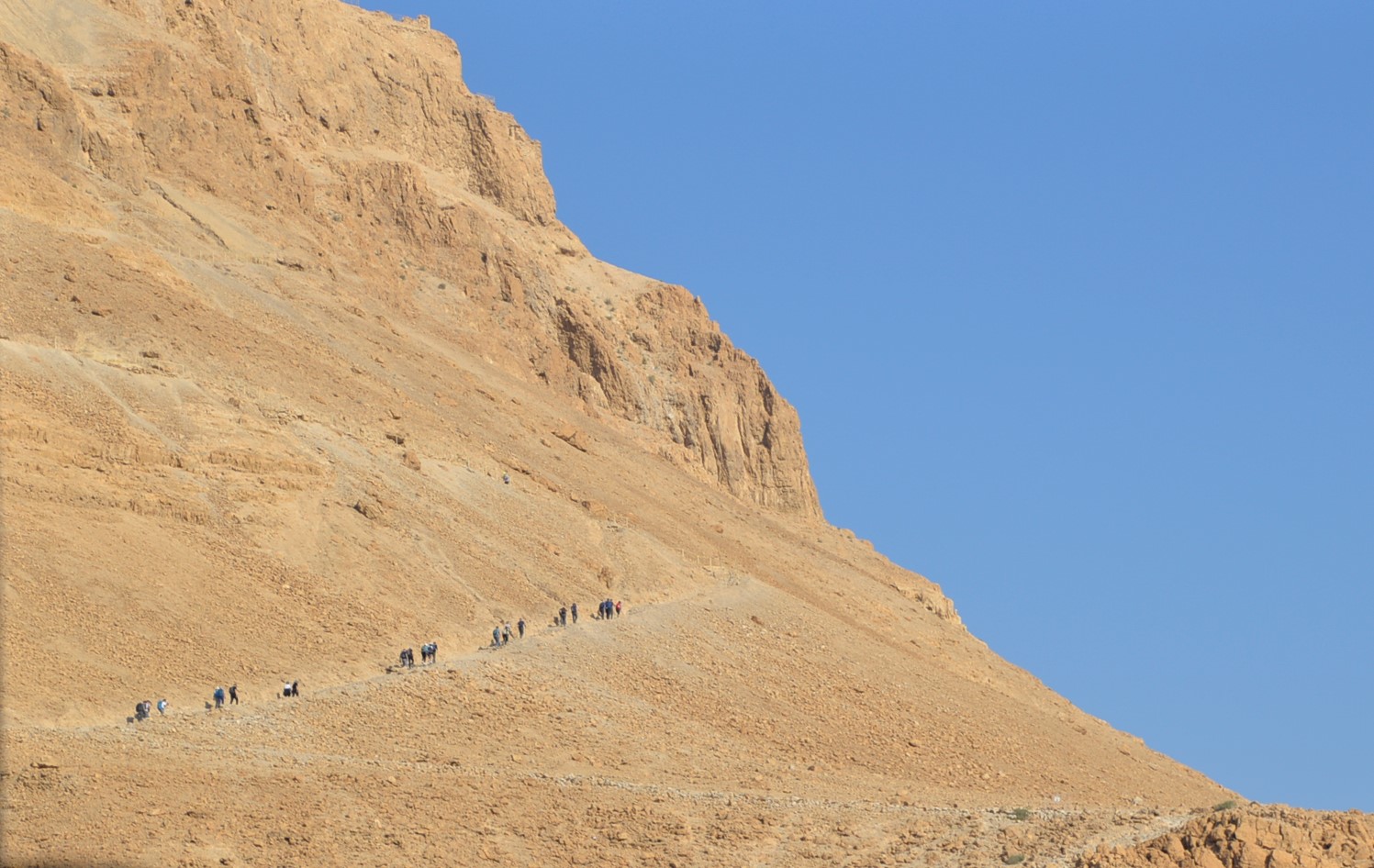
In Herod’s day the only way to get to the palace was up the snake path. Some people still take that route.
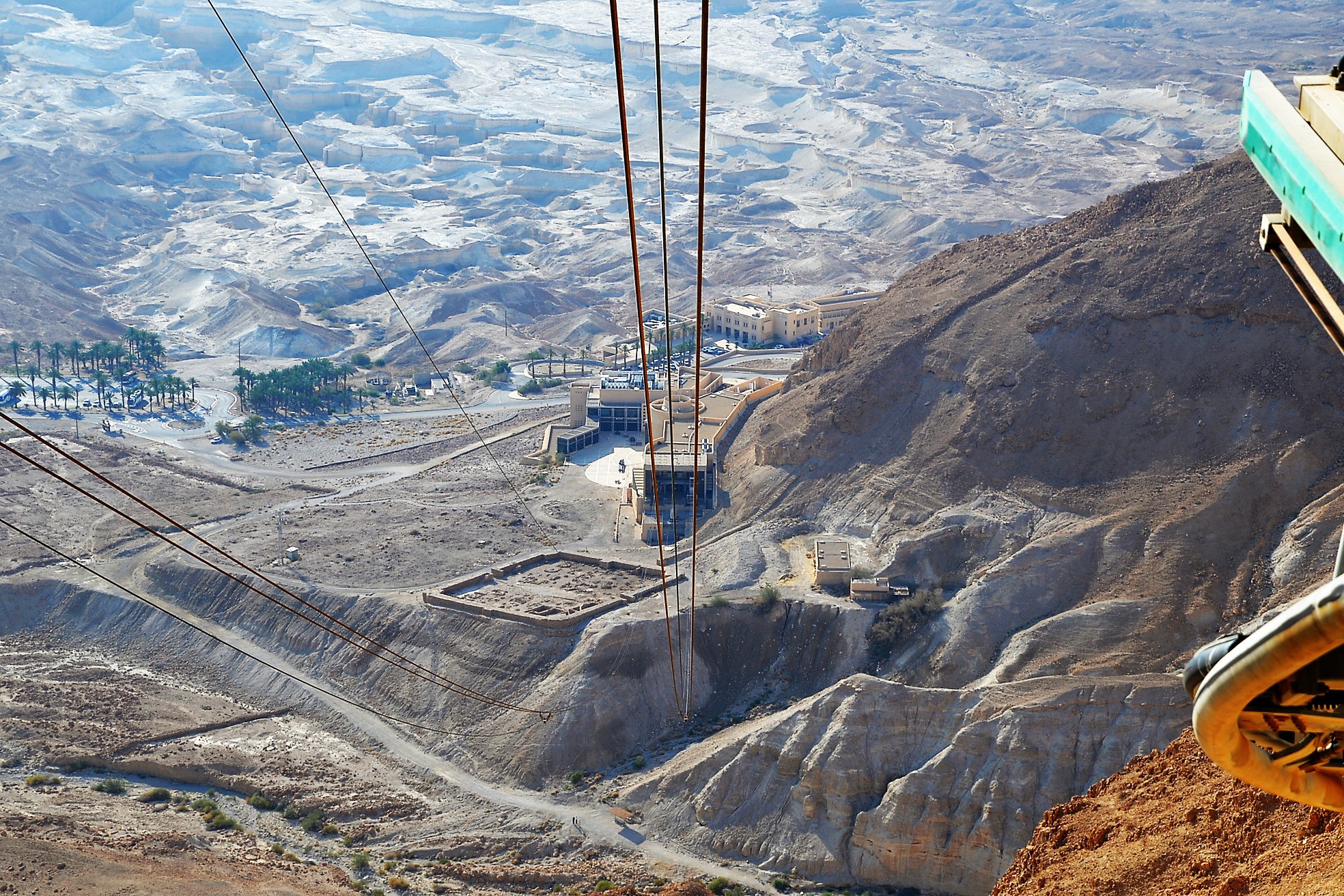
We took the cable car.
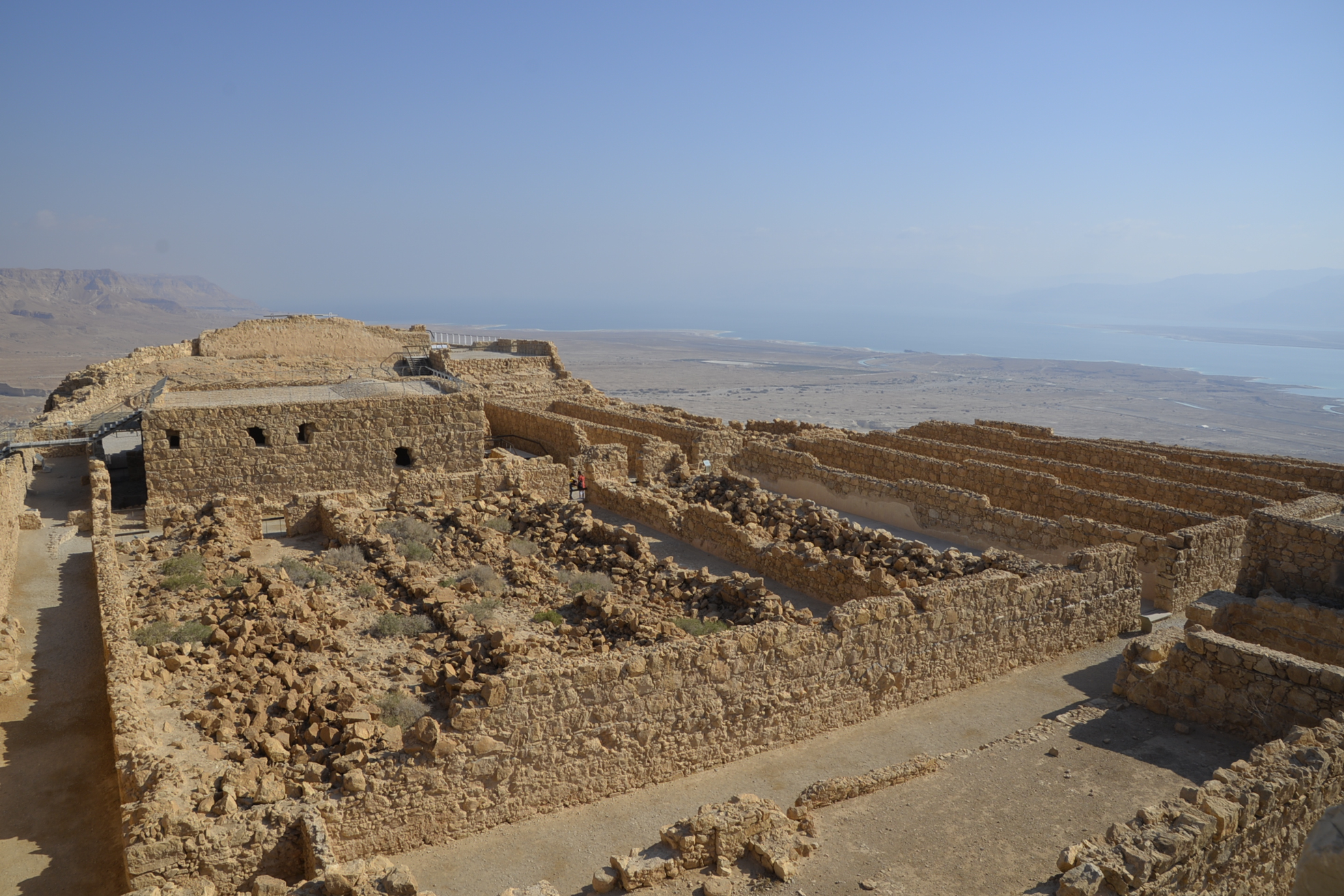
In this remote palace Herod built large cisterns to hold water, and great storehouses to hold everything else that was needed.
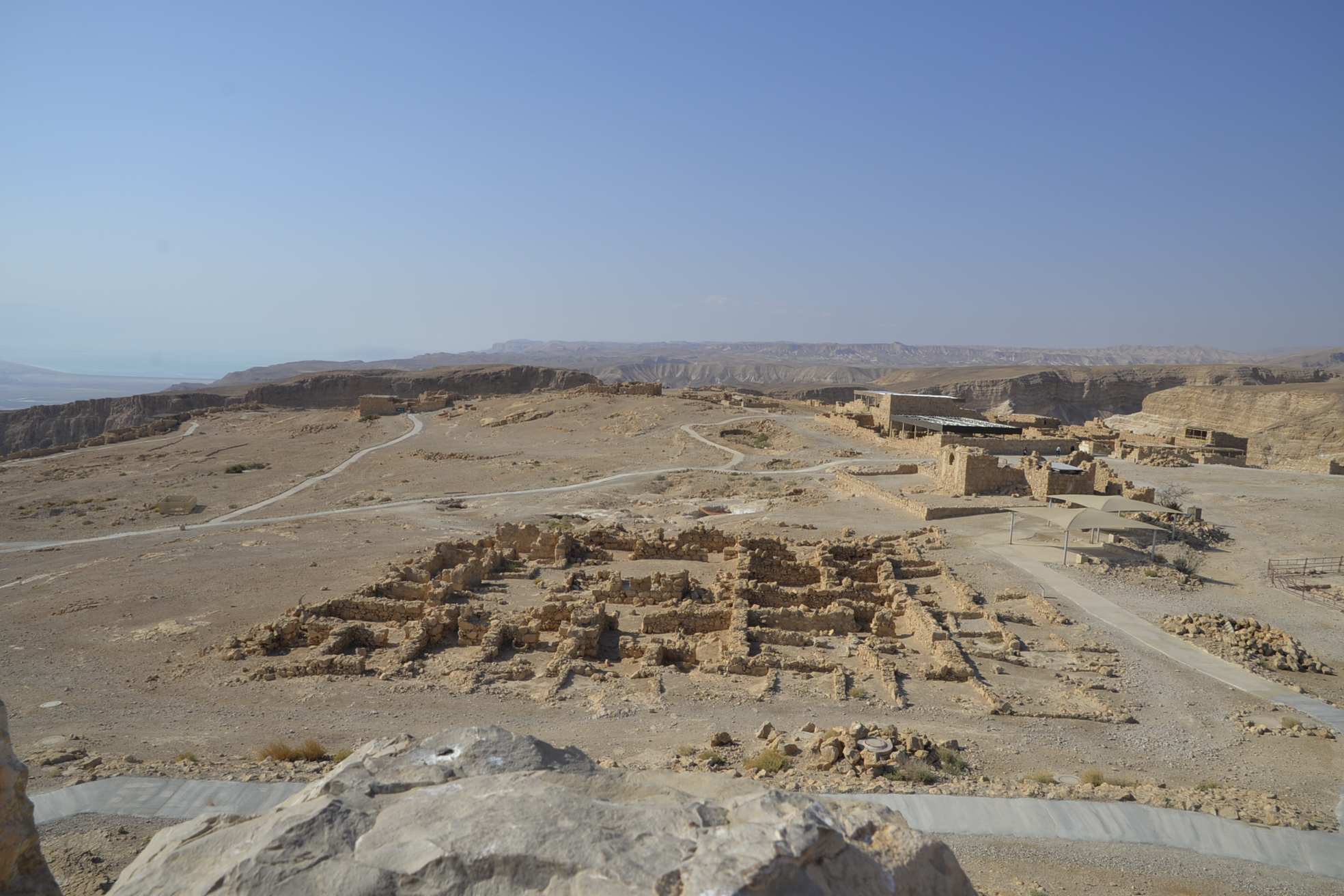
The remains of many buildings have been excavated.
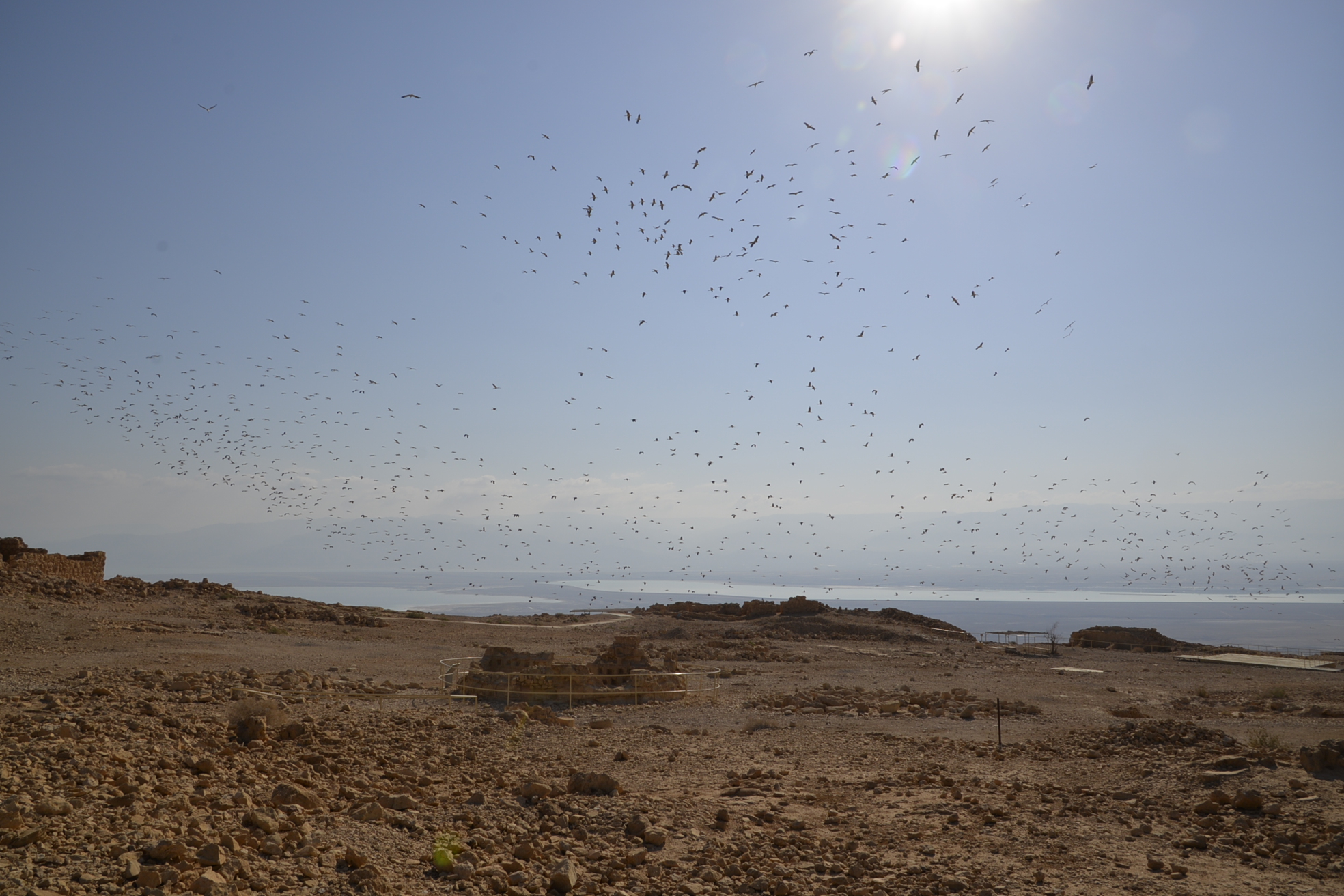
Walking across the grounds I was suddenly surrounded by swirling shadows. Looking up I saw more migrating storks, circling to gain altitude.
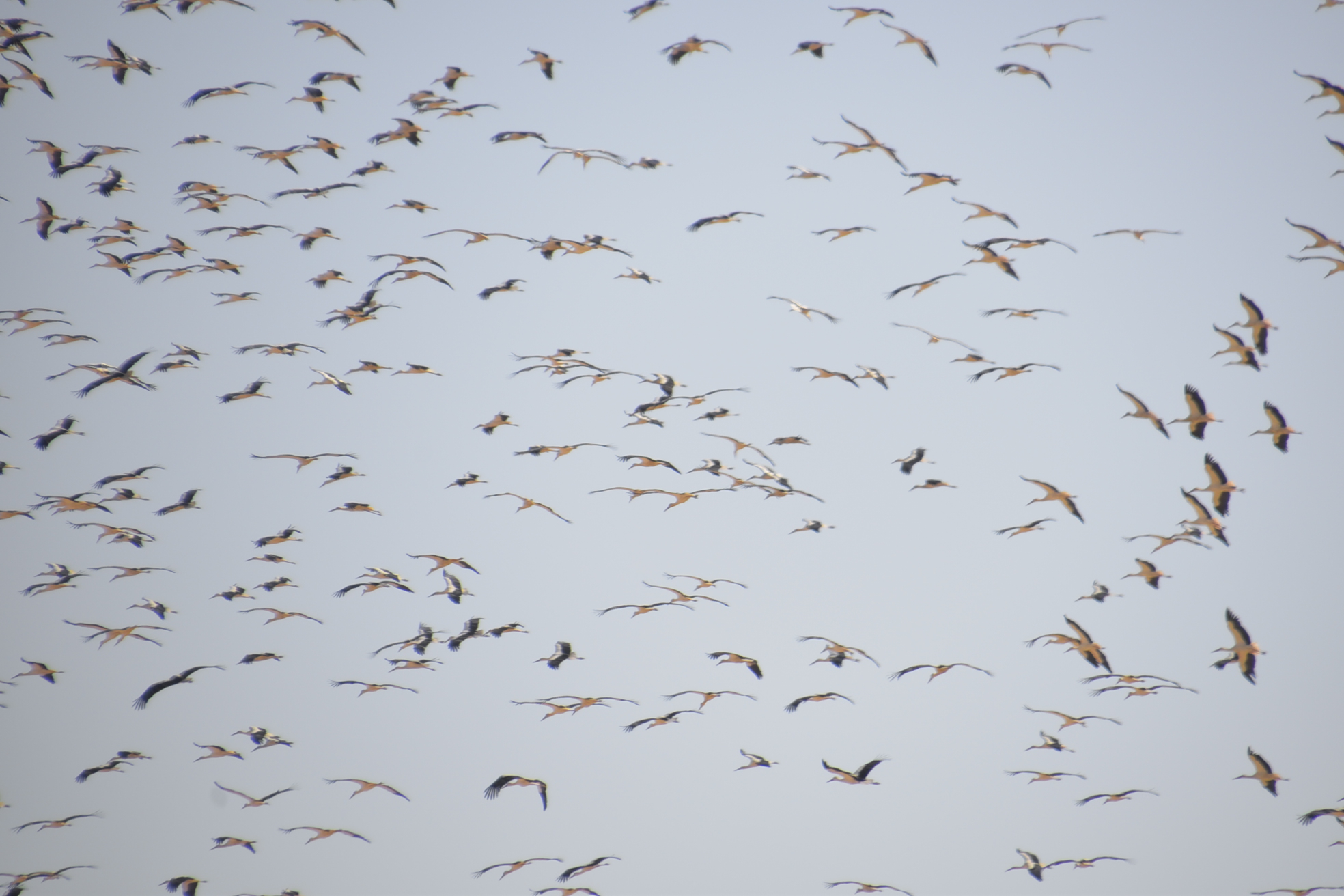
The storks were headed north to join the other thousands of storks we saw yesterday.
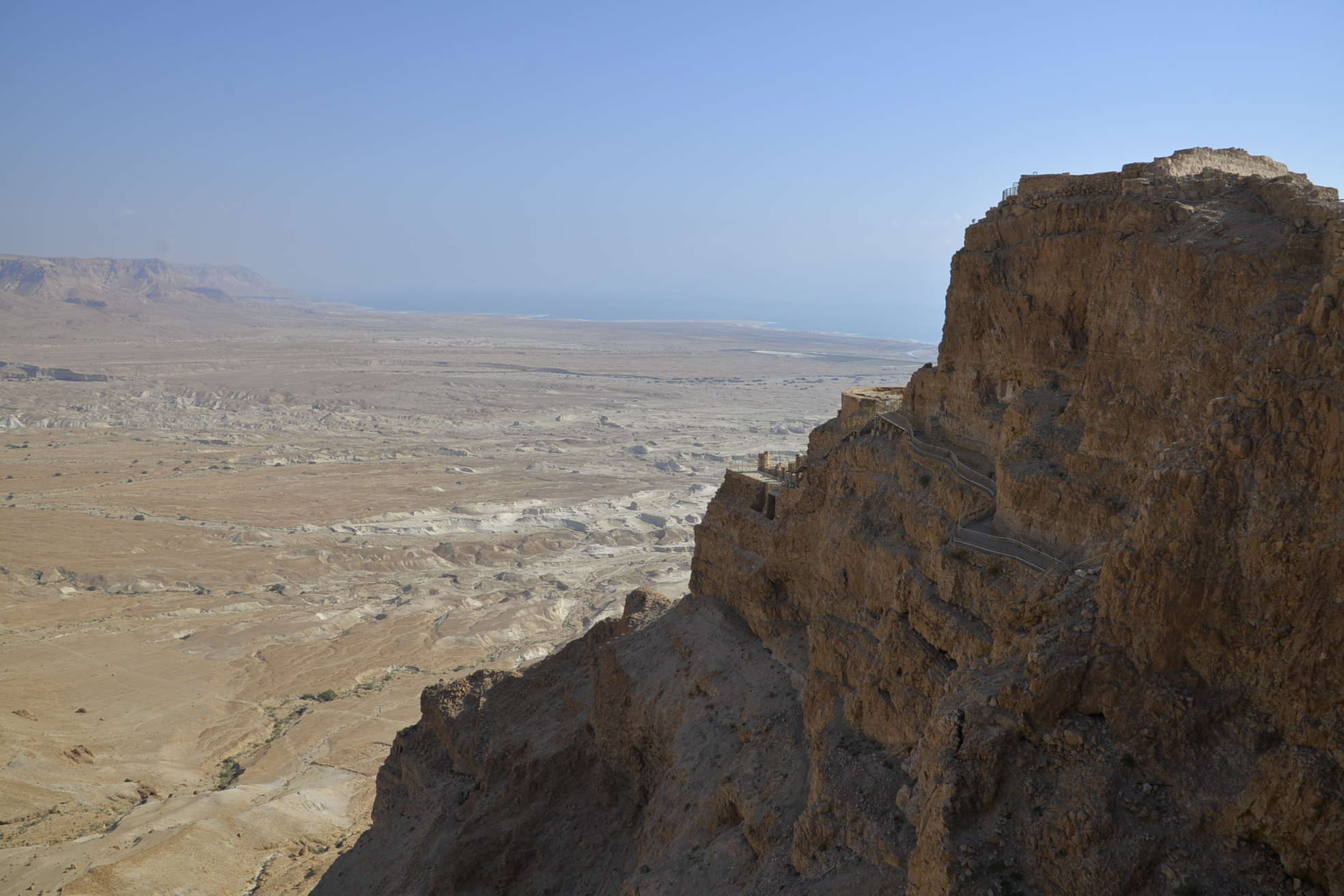
My goal for this visit was to go to Herod’s northern palace, draped over the side of the north facing cliff.
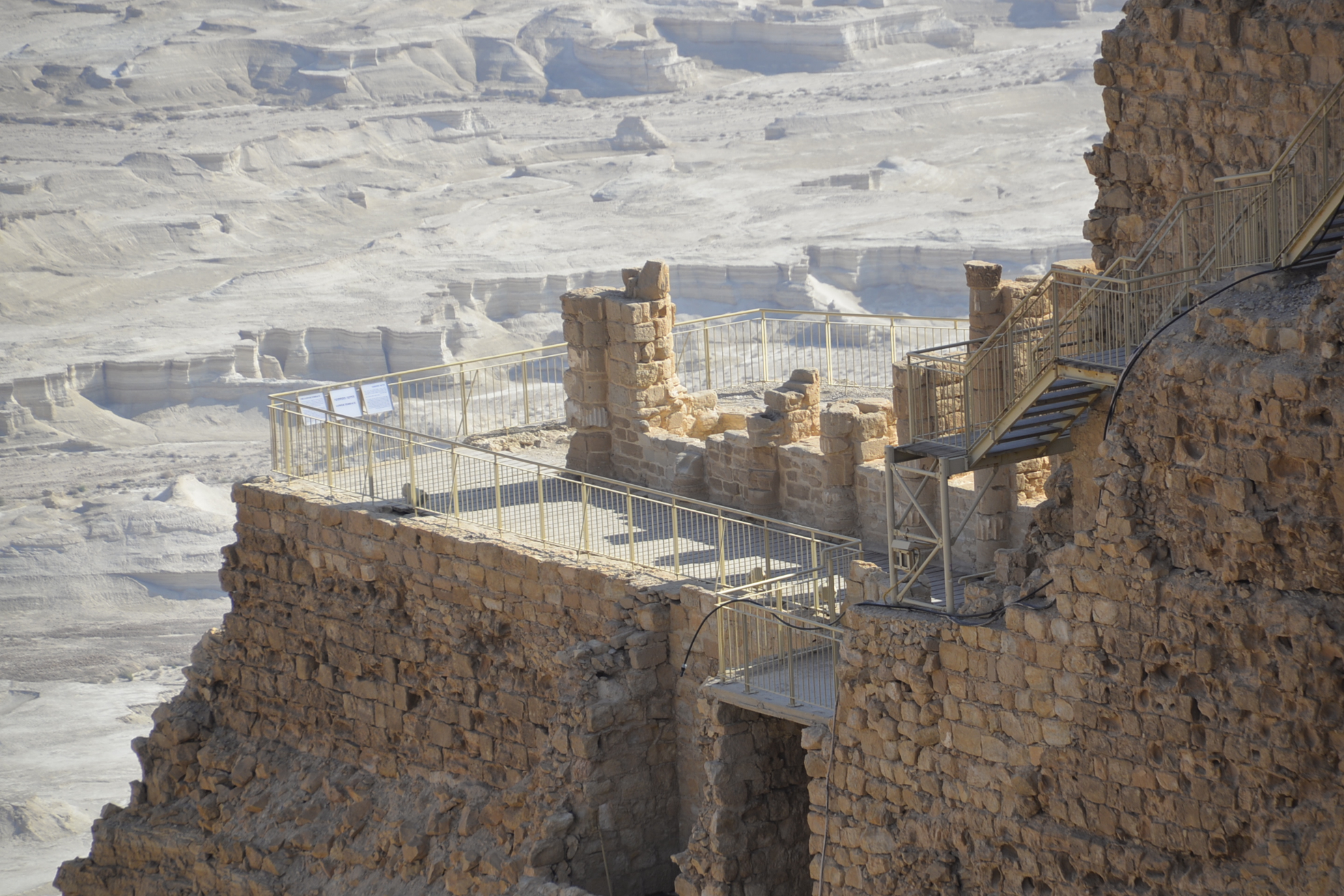
The northern palace.
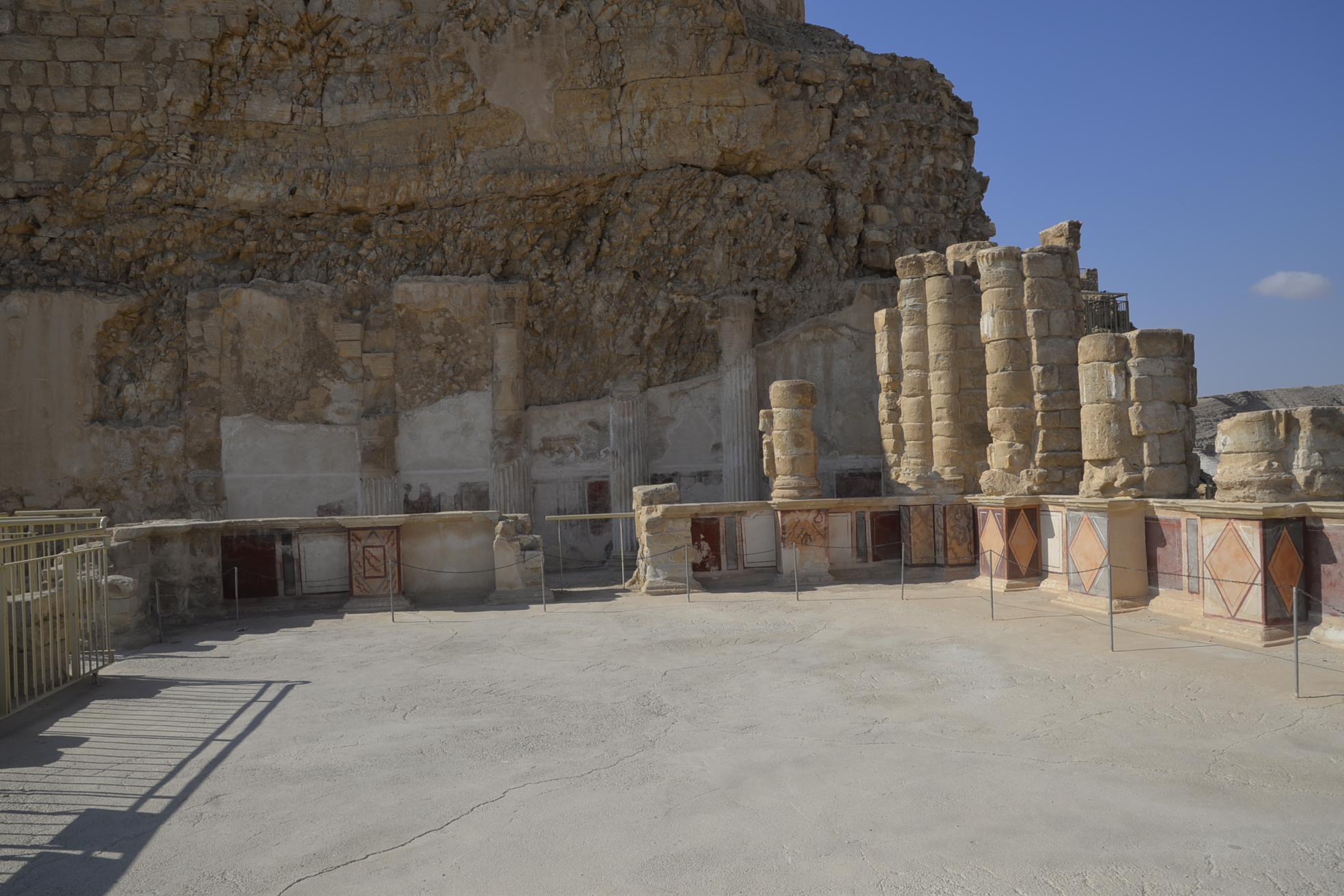
Inside the northern palace, with recreated frescoes along the walls.
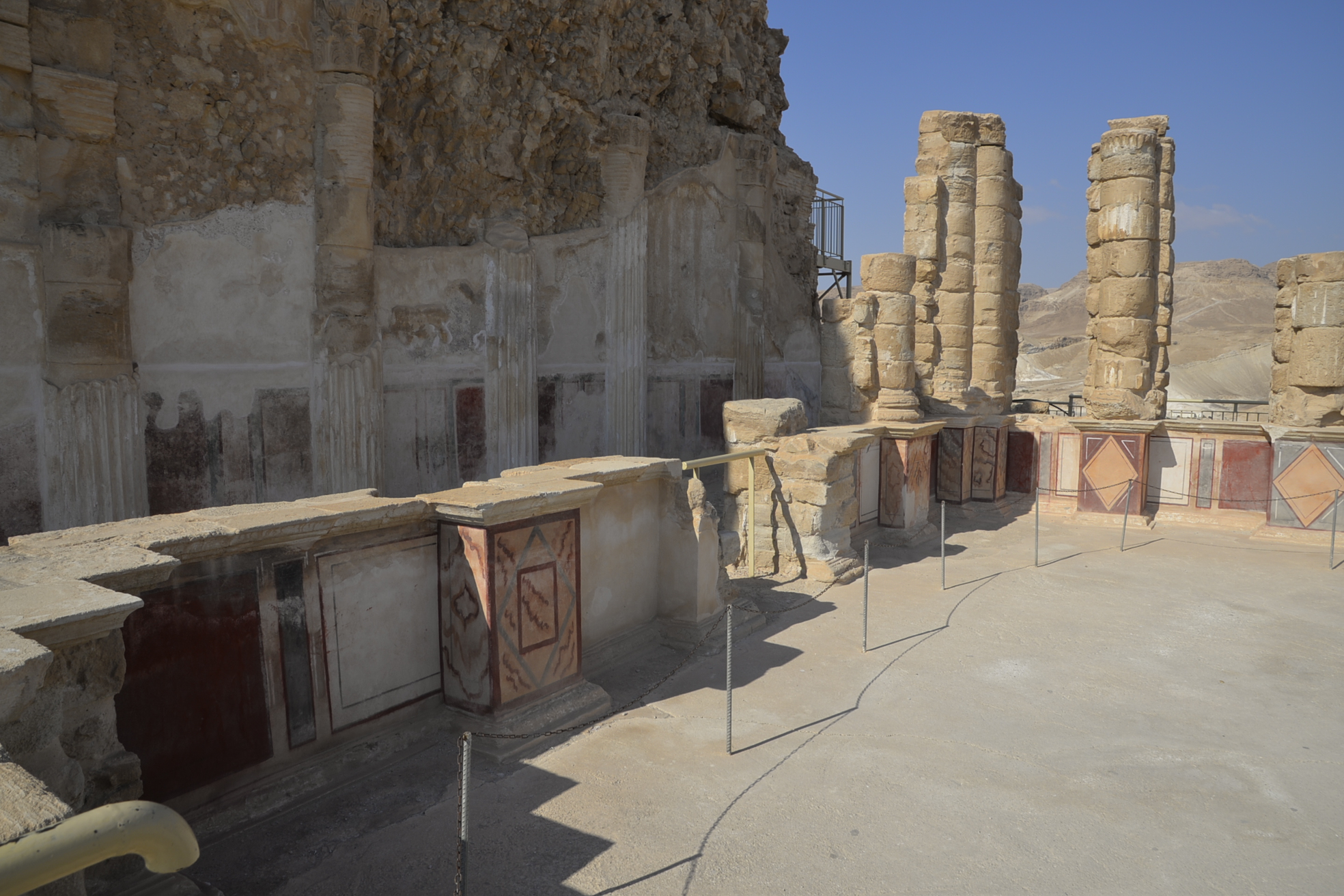
Inside the northern palace, with recreated frescoes along the walls.
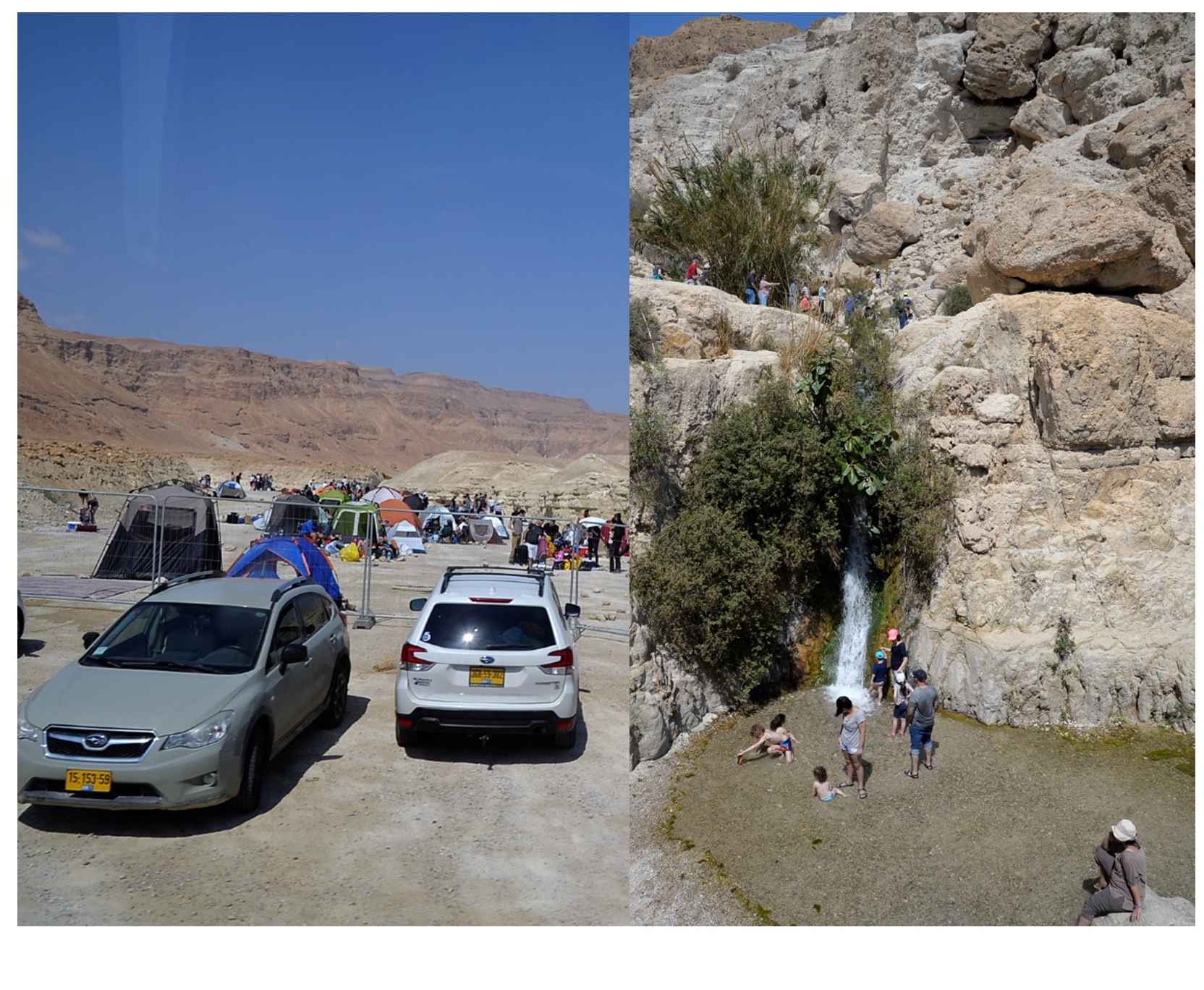
Meanwhile, as we saw during our departure, there was a rock concert going on below Masada. Next stop was the desert oasis of Engedi, which also attracted a lot of visitors on a hot day.
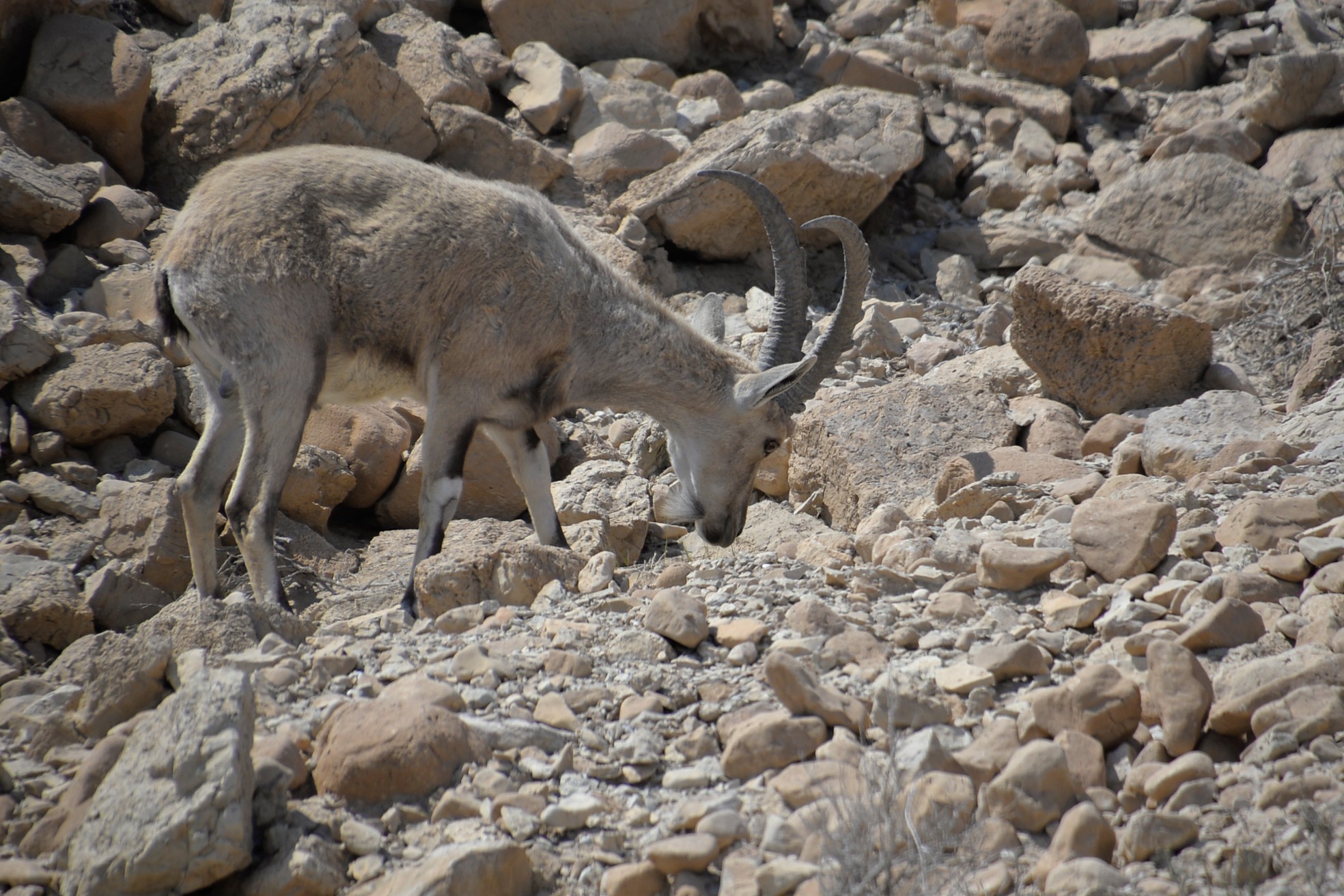
The ibex are often seen at Engedi.
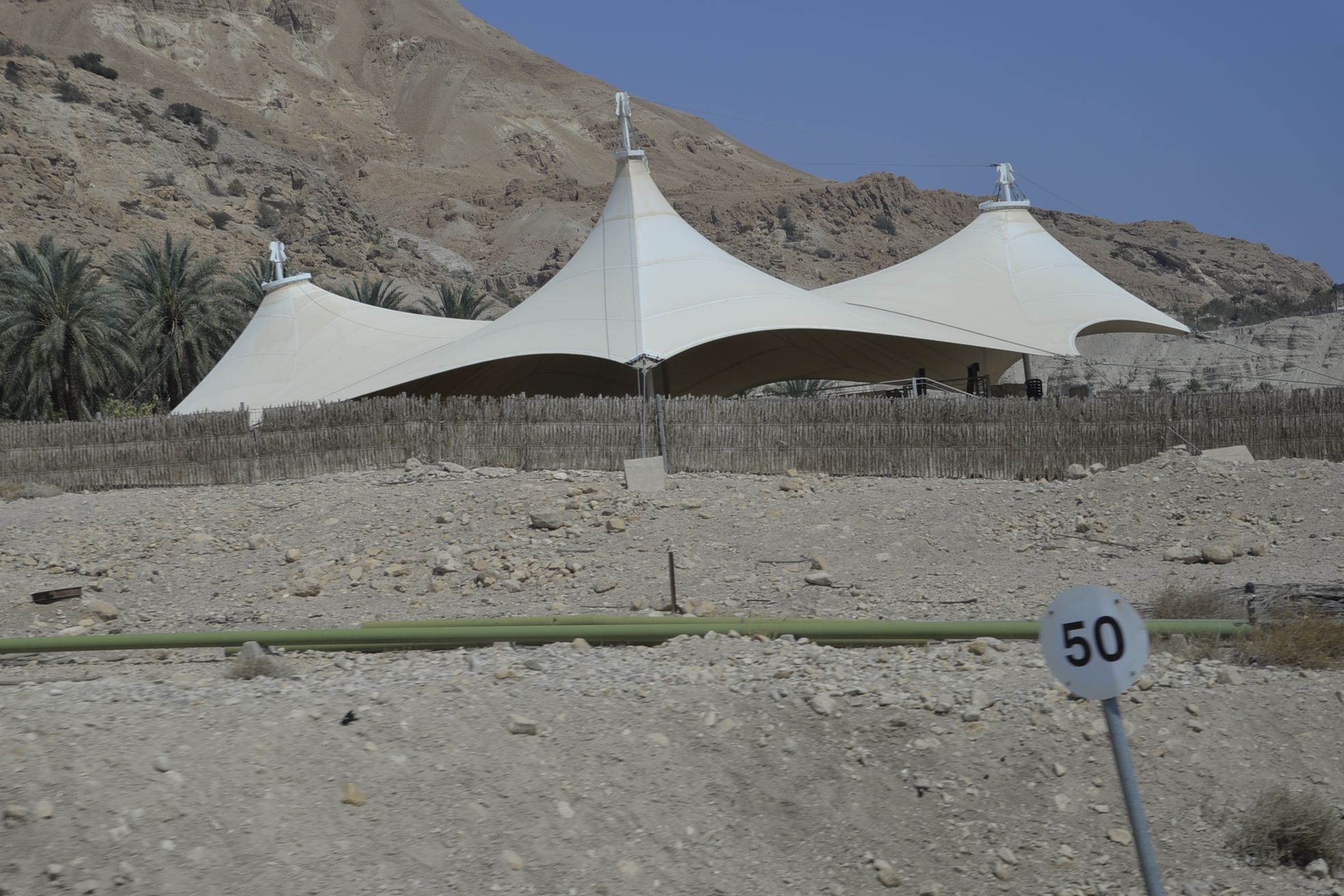
Under this canopy is the mosaic floor of a Byzantine synagogue. When the synagogue was excavated in the 1970s, archaeologists recovered a cigar-shaped cinder that they thought might be a scroll. In 2015 the scroll was opened virtually by University of Kentucky computer science professor Brent Seales and discovered to be the book of Leviticus, almost as old as the Dead Sea Scrolls.
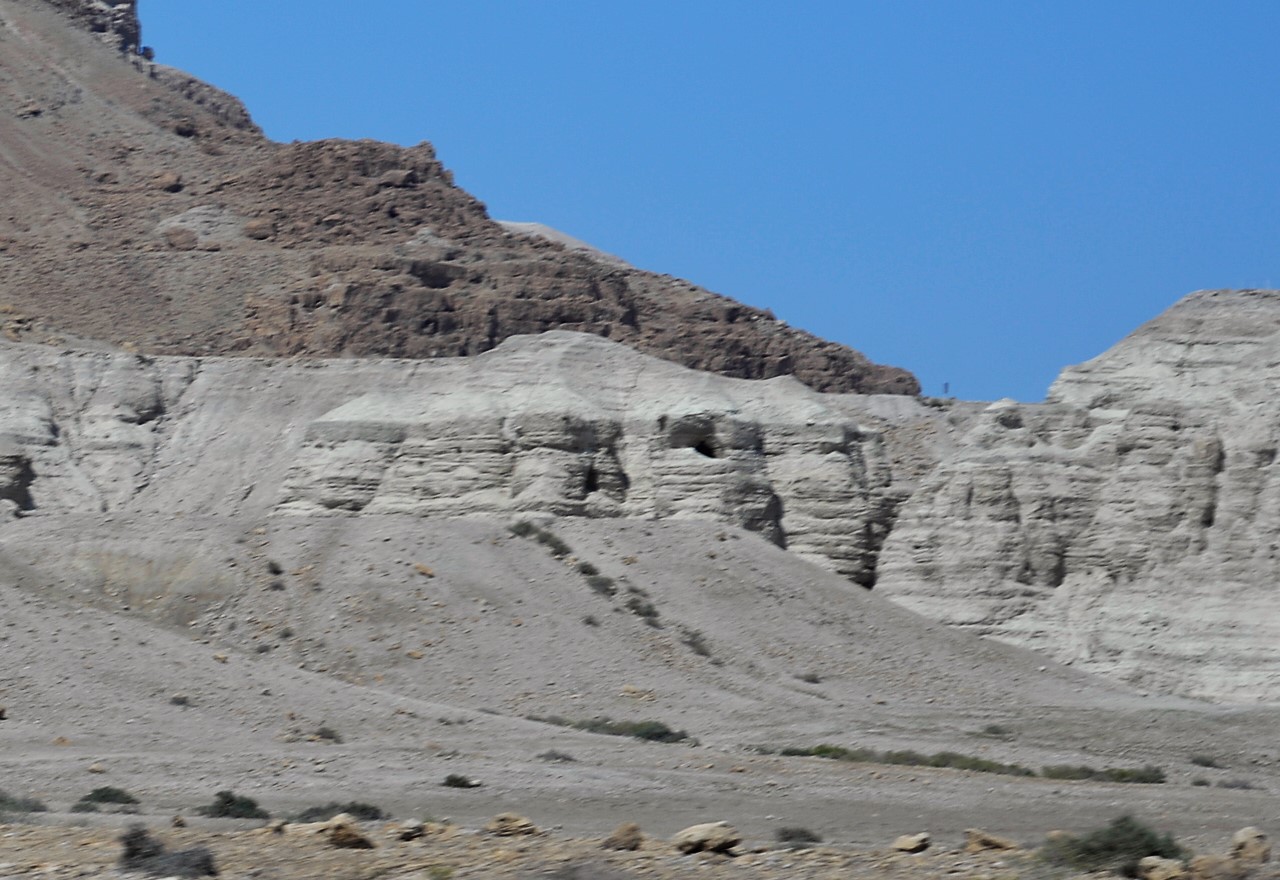
Qumran, the hiding place of the Dead Sea Scrolls, was our next stop.
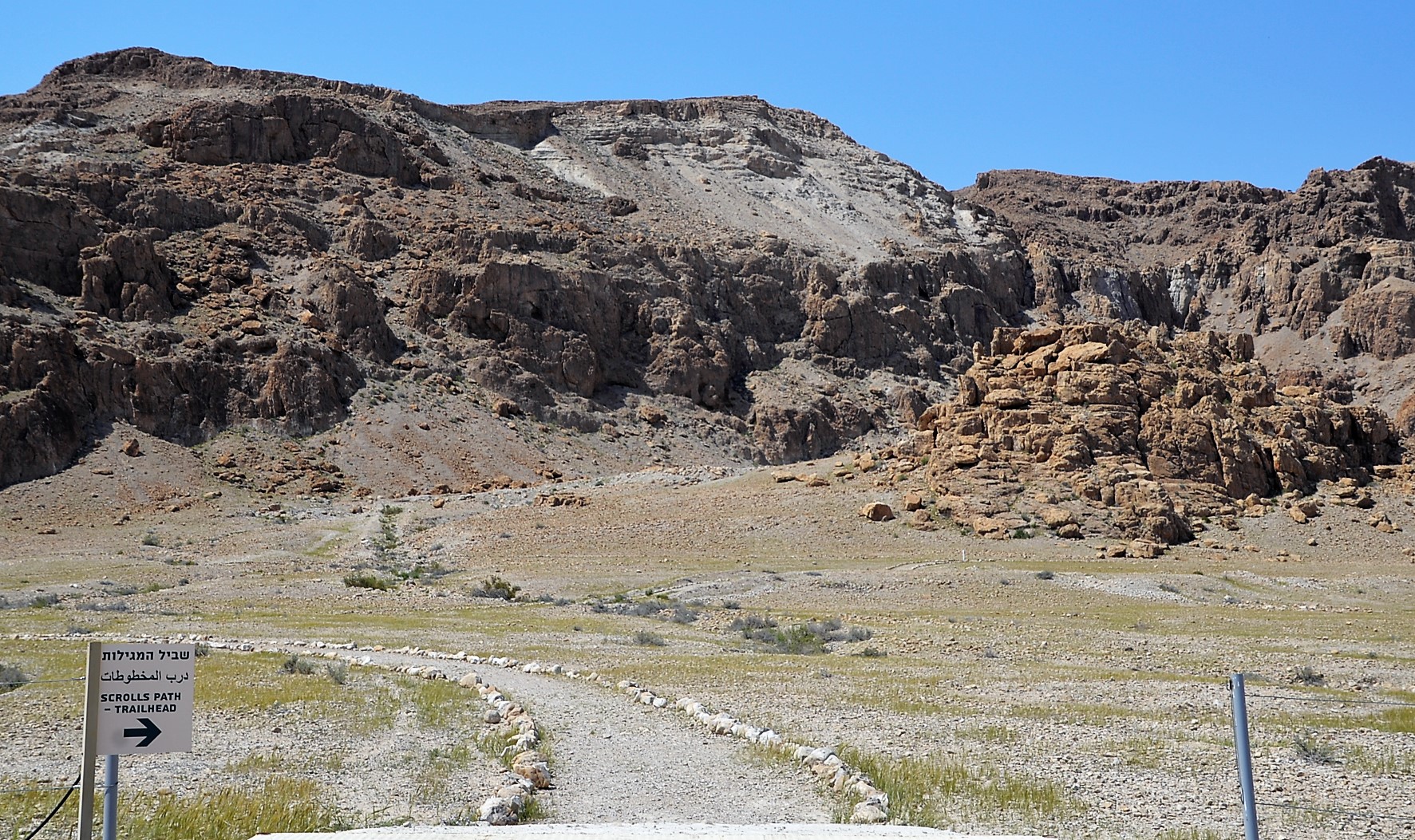
A new addition to Qumran, a path that leads to some of the first caves where the Dead Sea Scrolls were found.
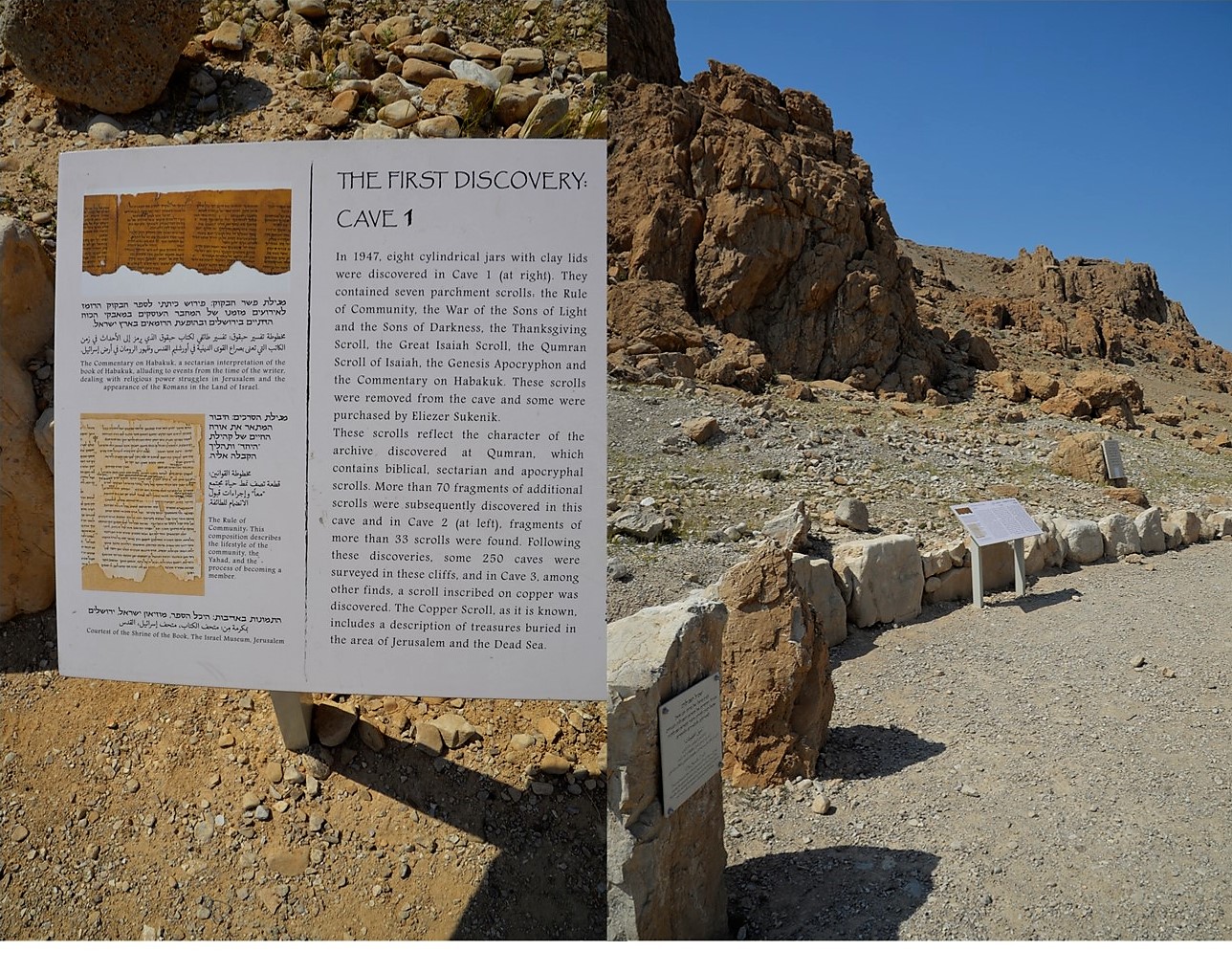
The story of the discovery is told near Cave 1.
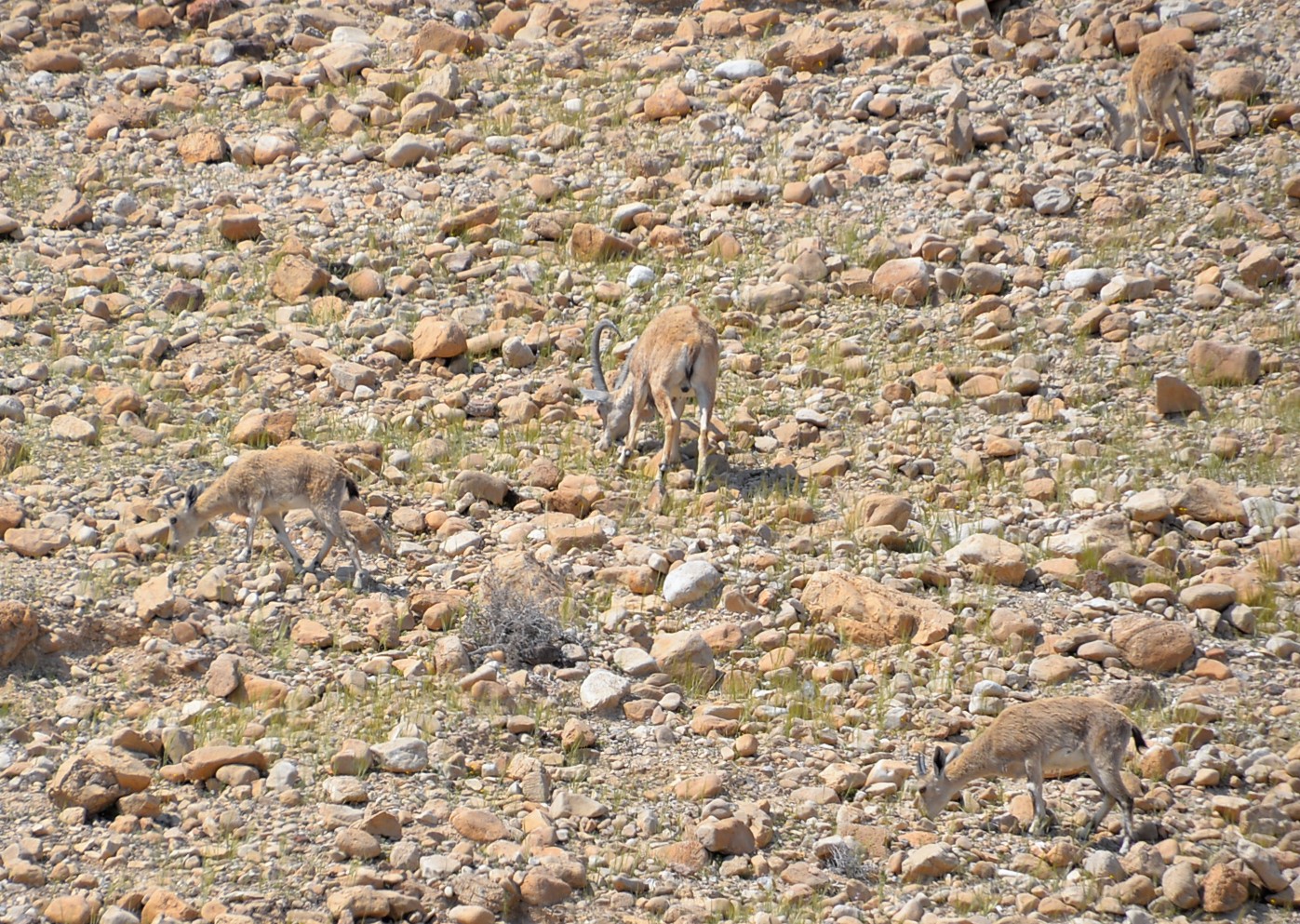
Along the way, more ibexes. How many can you see?

One ibex is playing peek-a-boo.
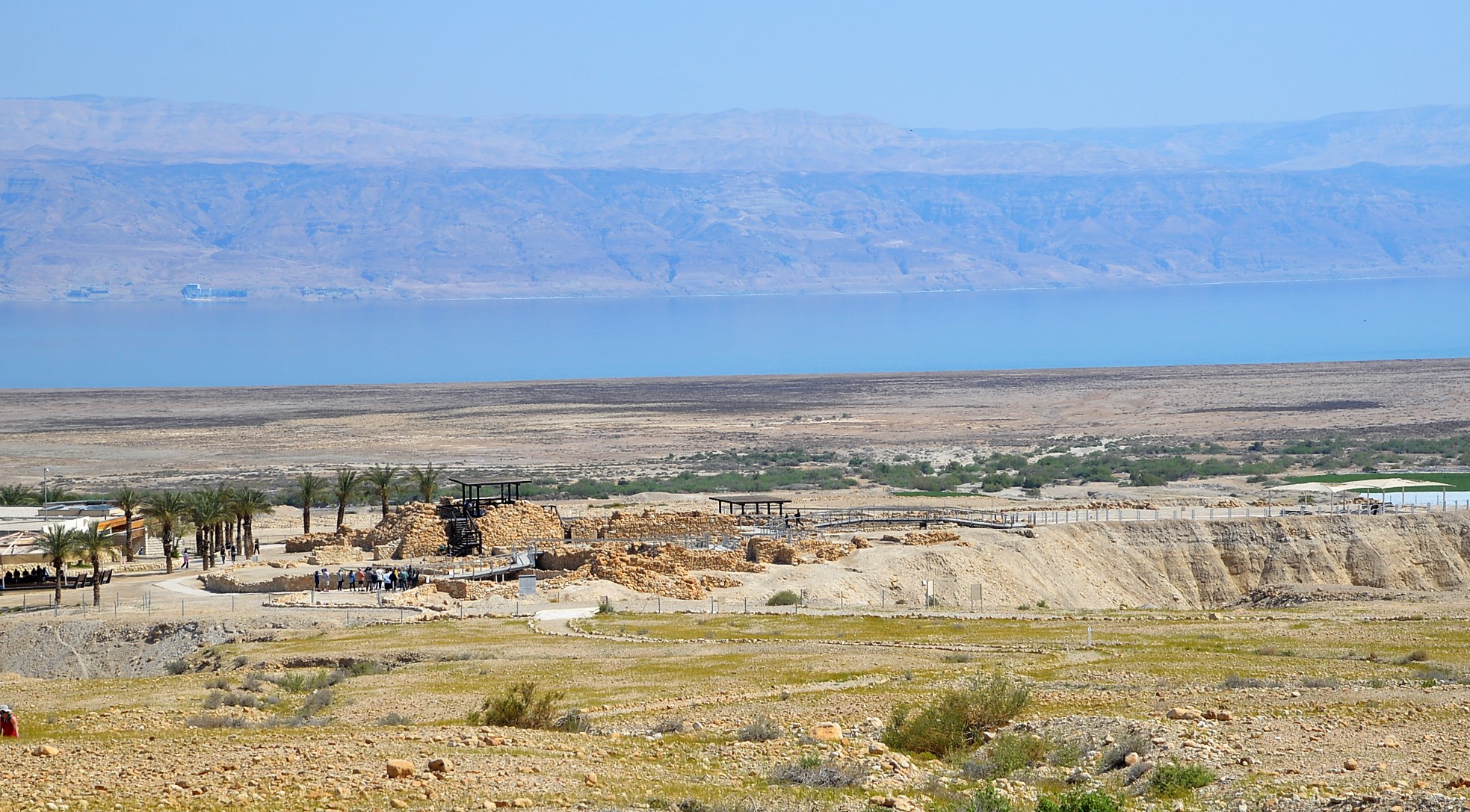
The excavated Qumran ruins with the Dead Sea and the mountains of Moab in the distance.
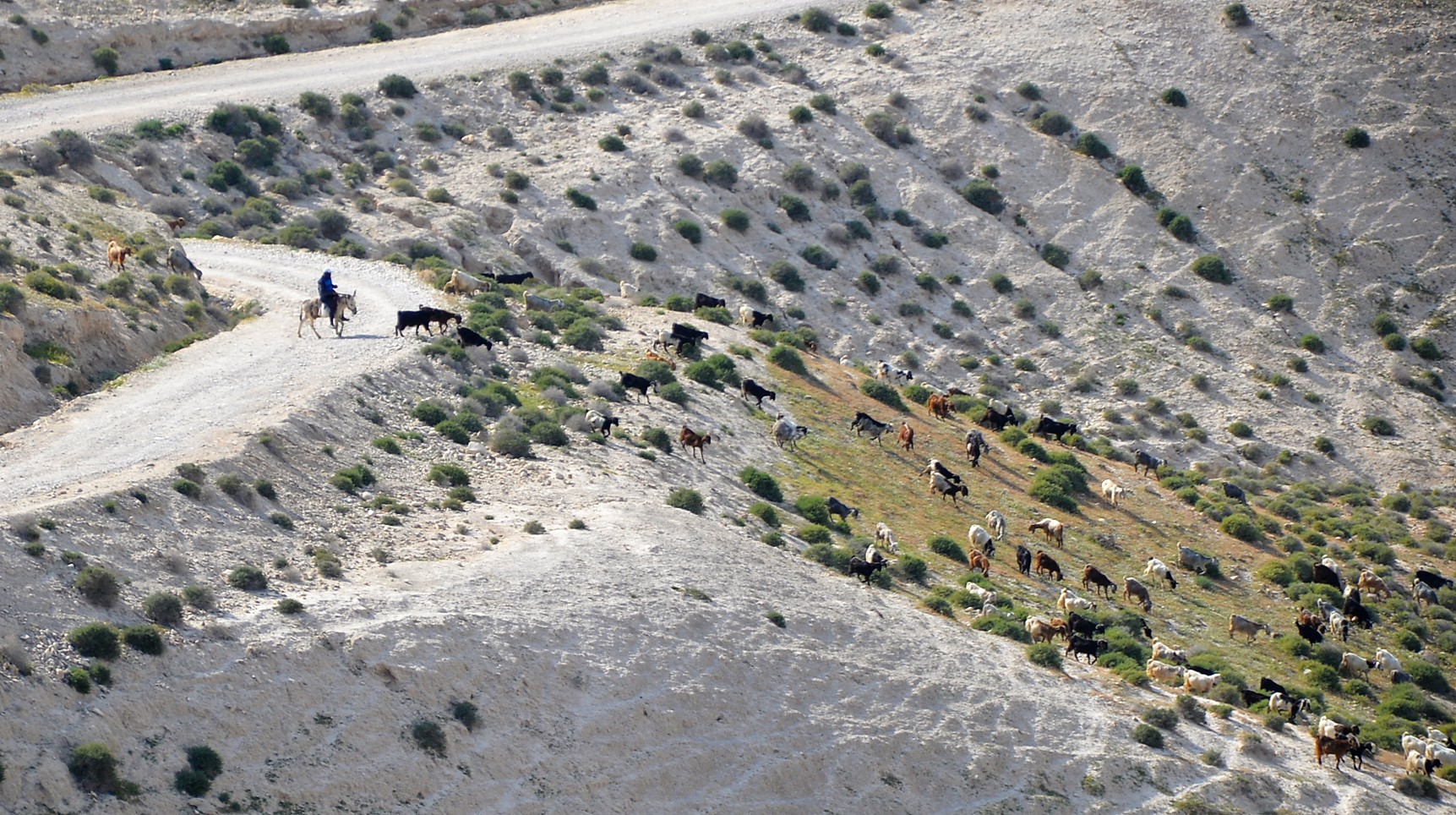
On our way up to Jerusalem: bedouin shepherds with their sheep.

The Wilderness of Judea with Jerusalem’s Mount of Olives on the distant horizon.
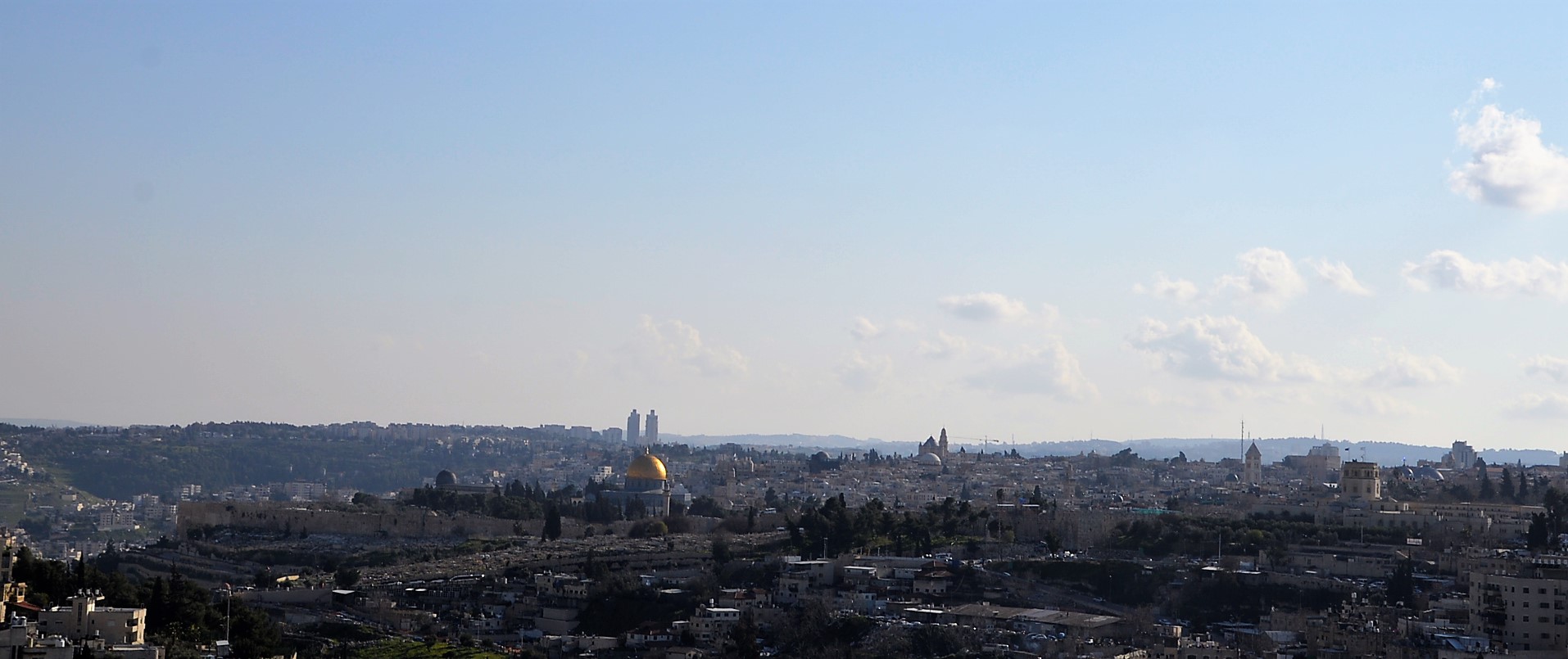
We finally arrive, late afternoon, in Jerusalem.
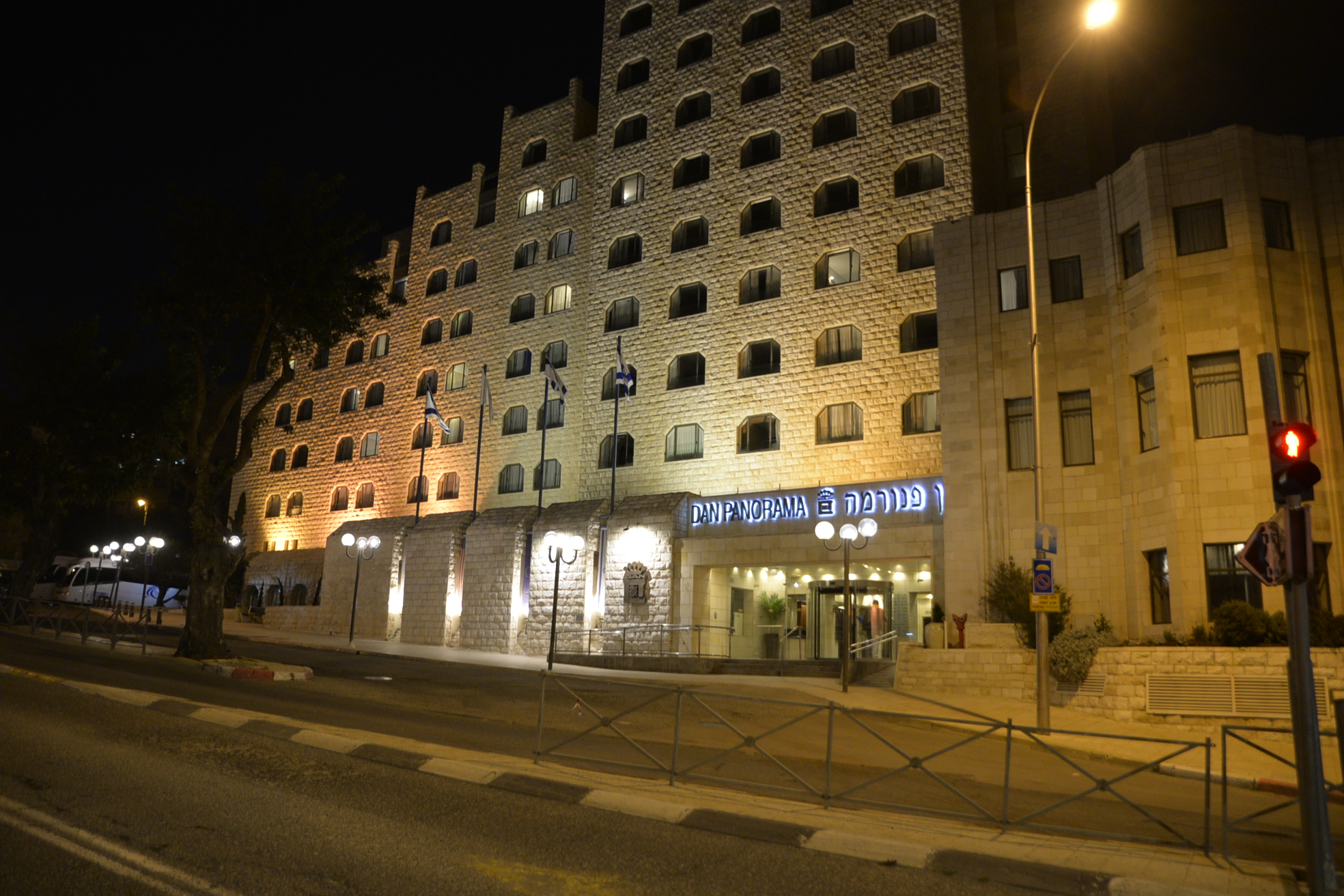
Our hotel is the Dan Panorama.
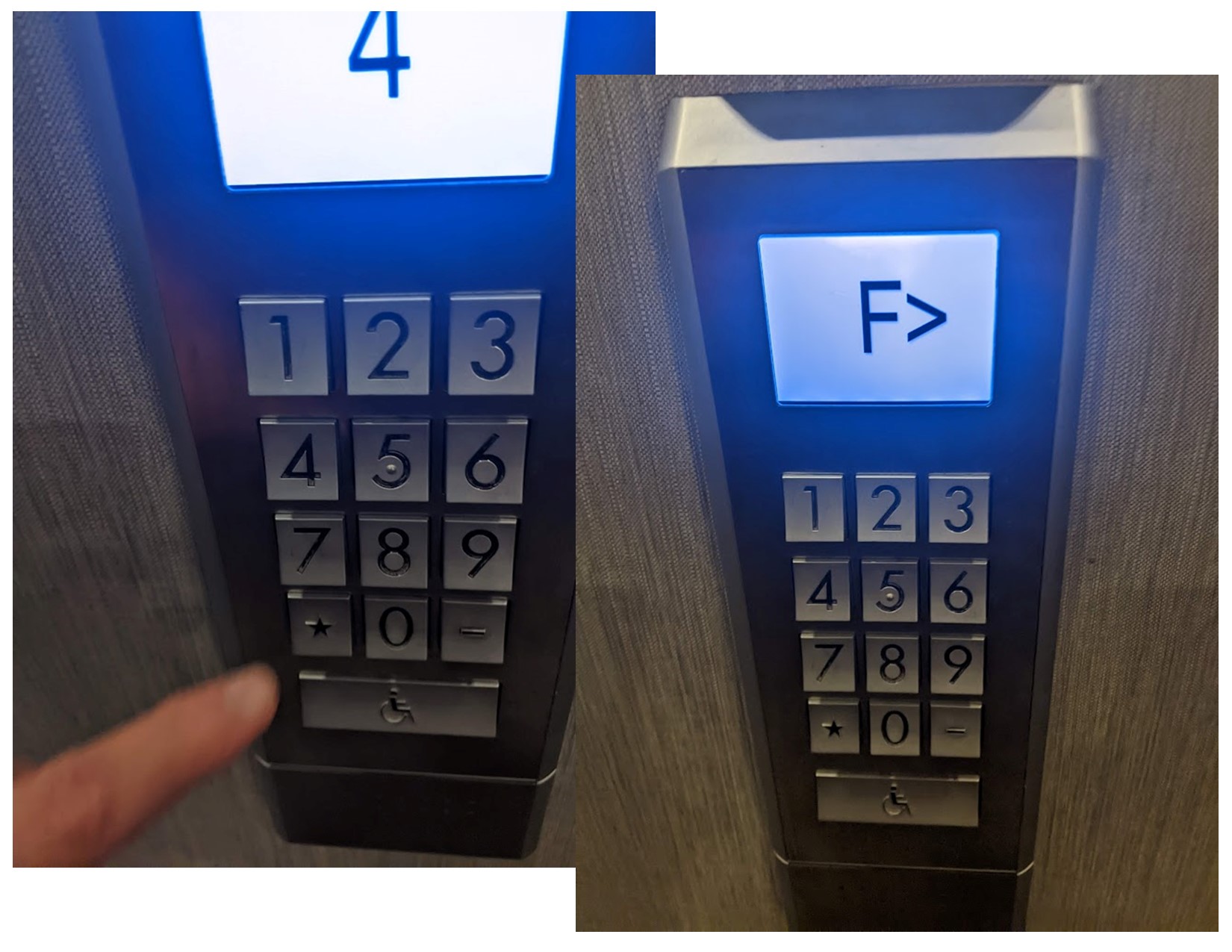
The 2 high rise hotels where we stayed had a new elevator system. You press the number of the floor you want and then the screen indicates which elevator to board.

As in Nazareth, we were once again able to connect with another one of my colleagues: Kevin, who is InterVarsity Link staff working with the Fellowship of Christian Students in Israel (FCSI). We enjoyed hearing the perspective of an American Christian living in Israel.
Next: Touring Jerusalem and Bethlehem.
 RADIOSCRIBE
One comment