The Jordan River drains the Sea of Galilee and takes it to the Dead Sea, at least geographically speaking. Today the Jordan is but a trickle and the Dead Sea is drying up. On this day we headed south, leaving Galilee behind.
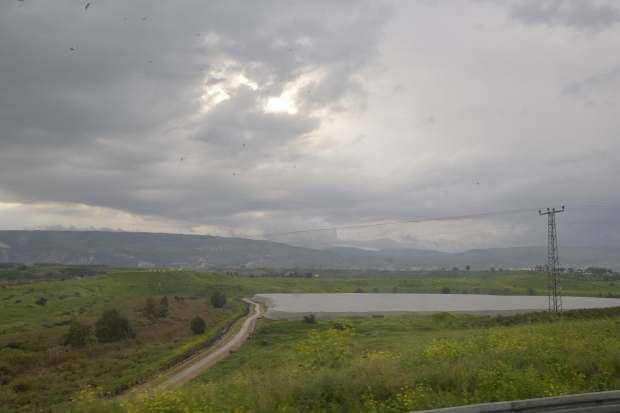
The Jordan River Valley is green in March, with intensive agriculture under the white, water-conserving canopy.
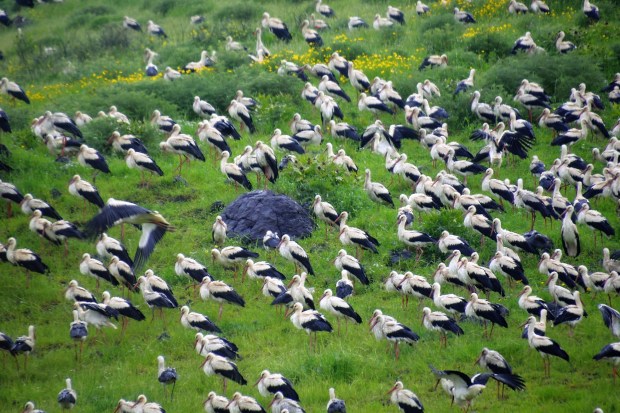
We were headed south. Heading northward we saw thousands of migrating storks, on their way back to Europe after wintering in Africa. The Great Rift Valley is a major travel route for migrating birds.

Our next stop was Betshean. We passed the Betshean amphitheater on the way to the excavated city, one of three Roman amphitheaters in the country. Except it was just announced a military amphitheater has been excavated at Megiddo.
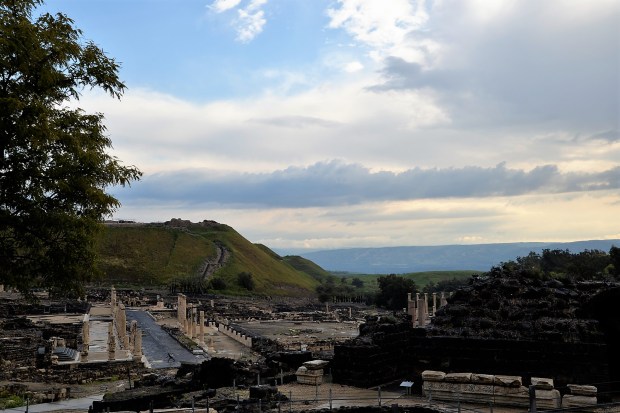
Our first dramatic view of the city with the Roman ruins from the period when the city was known as Scythopolis, the only decapolis city west of the Jordan River.
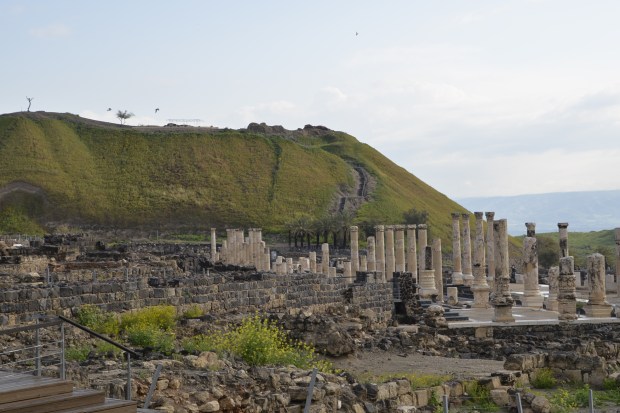
The Roman ruins are impressive, but the tel (mound) behind them is much older. Somewhere on the walls of Betshean the Philistines hung the bodies of Saul and his sons. (I Samuel 31:10)
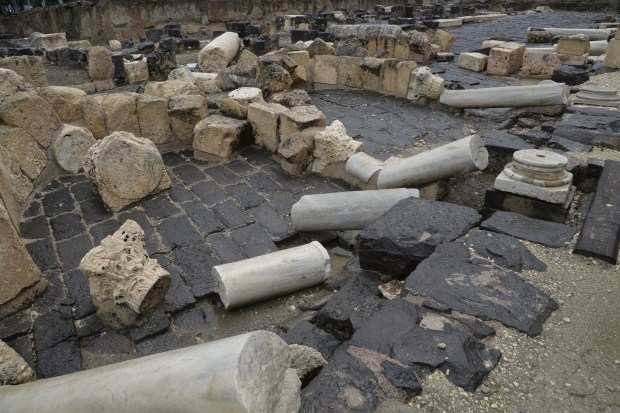
An earthquake in 749 AD destroyed the city.
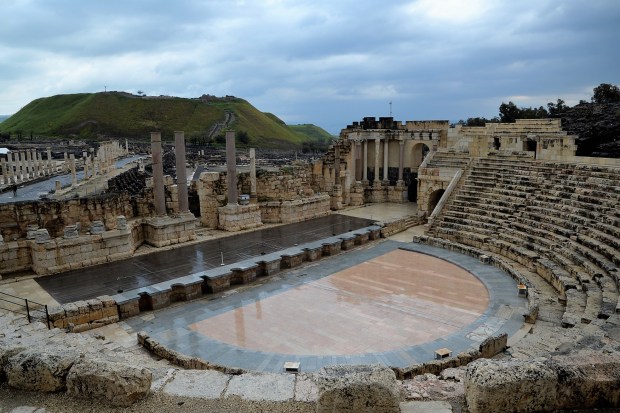
The theater
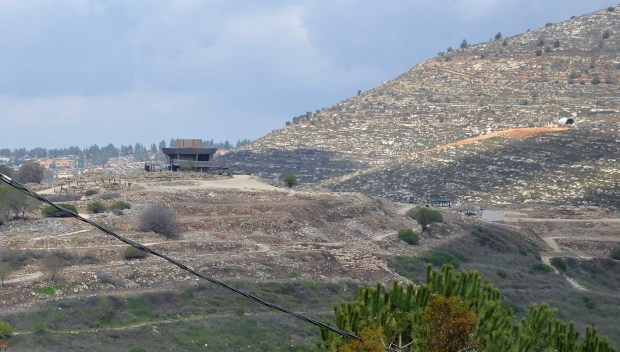
From Betshean on to Tel Shiloh.
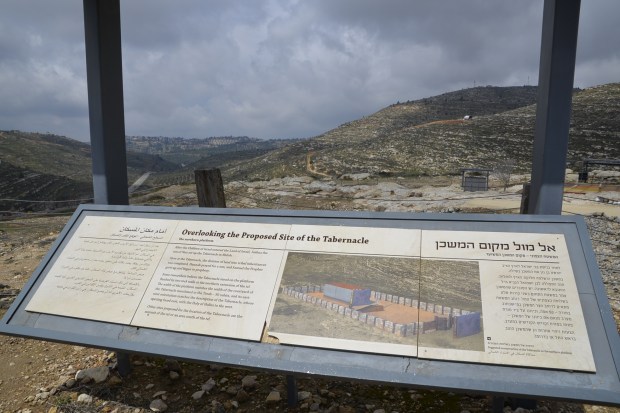
The Ark of the Covenant was here for 300 years, until the temple was built in Jerusalem.
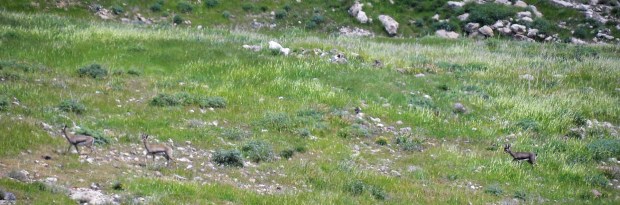
Deer by the side of the road.
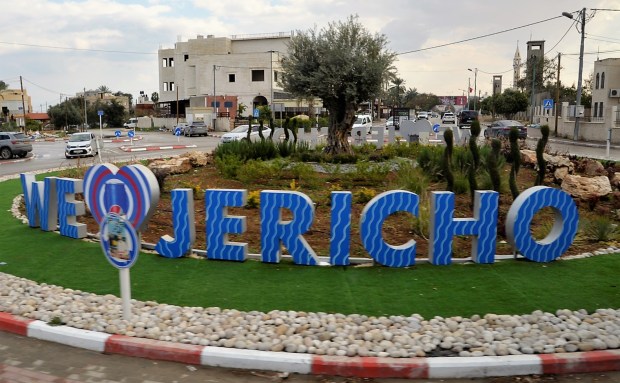
The next destination was the oldest city in the world.
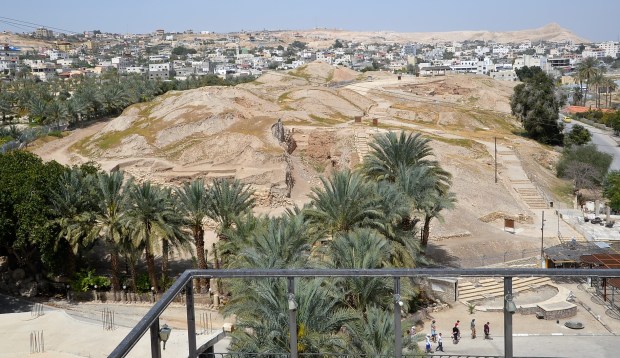
From the rooftop of the store and restaurant next door, a beautiful view of the ancient ruins of Tel Jericho.
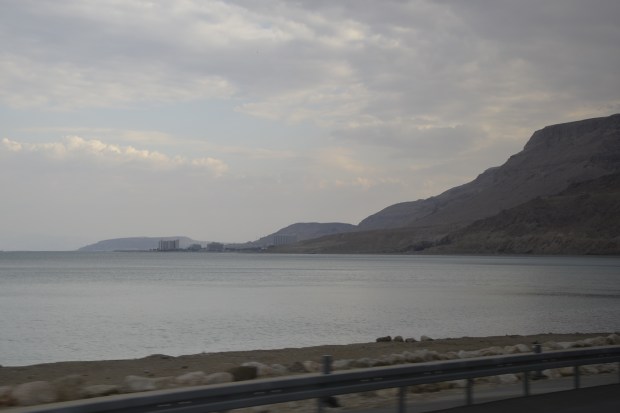
Soon we were driving along the shore of the Dead Sea.

Our destination was the resort hotels of Ein Bokek.

And a float in the Dead Sea, an incredible experience, at the end of an incredible day.
 RADIOSCRIBE
One comment